Beijing Ancient Architecture Museum Tickets
Tickets sold at the door only, nothing to book ahead.
Visitor info →Opens the museum's own website. Tickets are sold at the door only.
- Area
- Xicheng
- Theme
- Niche & specialist
Inside the walled Temple of Agriculture complex, where Ming and Qing emperors once performed the spring ploughing rite, the Beijing Ancient Architecture Museum occupies converted altar halls at 21 Dongjing Road in Xicheng District. It is the city's specialist museum for ancient Chinese building: galleries walk through timber framing, bracket sets, roof craft and city planning using scale models and structural components, and the setting does half the work, because the museum's own halls are historic altar architecture. Entry costs CNY 15 at the door, no advance reservation is required, and the museum closes on Mondays except public holidays. This page covers tickets, timing, access and what to see.
What Is The Beijing Ancient Architecture Museum?
The Beijing Ancient Architecture Museum is a specialist museum of historic Chinese building, set inside the Temple of Agriculture (Xiannongtan) at 21 Dongjing Road in Xicheng District. Its galleries cover timber framing, roof structures, joinery and city planning across the Chinese building tradition, and they sit inside the altar complex's surviving halls, so the buildings that hold the collection are themselves part of the story it tells.
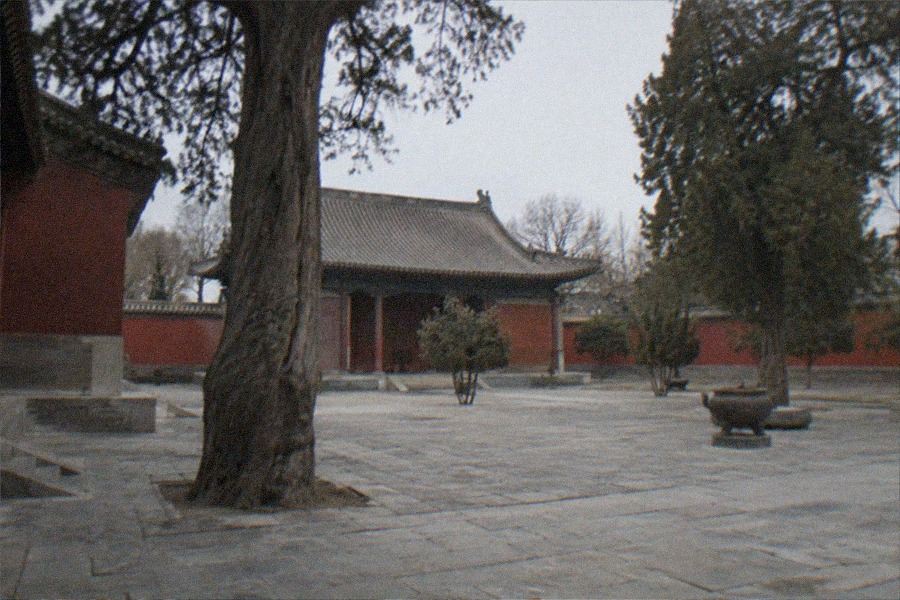
The Temple of Agriculture, known in Chinese as Xiannongtan, was one of the imperial altars of Ming and Qing Beijing. Emperors came here to sacrifice to the god of agriculture and to cut a ceremonial first furrow each spring, a ritual meant to bless the year's harvest. The complex survives as a walled group of halls and terraces in southern Xicheng, and the museum installed in those halls is the city's dedicated home for the study and display of ancient Chinese architecture.
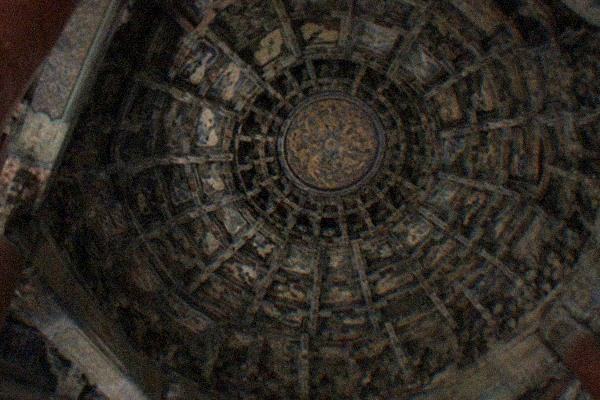
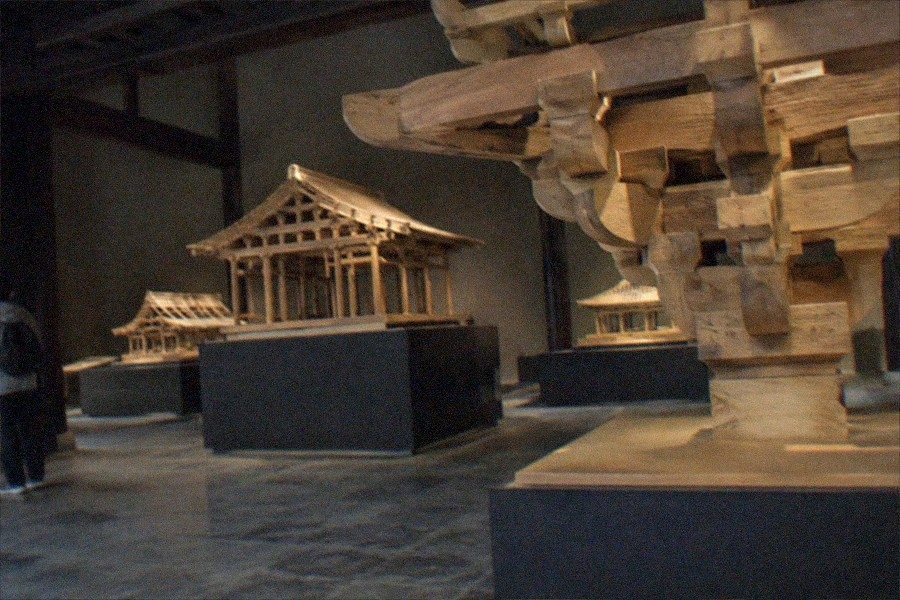
The galleries trace how traditional buildings were planned and assembled: timber frame systems, the interlocking bracket sets that carry roof weight, roof tile and glazing craft, and the layout logic of Chinese cities. Exhibits lean on scale models and structural components rather than recreated street scenes, which makes the museum especially rewarding after a visit to a palace or temple, it explains the engineering behind the architecture most visitors only admire from the outside.
Because the museum sits inside a genuine imperial altar complex, the grounds are as instructive as the displays. The halls, gates and terraces around the galleries are full-scale working examples of the building traditions described inside them, so a walk through the park after the exhibition rooms amounts to a second, open-air exhibition.
How Much Are Tickets And How Do You Buy Them?
A standard adult ticket costs CNY 15, bought at the door. Entry is not free, no advance reservation is required, and on-site tickets are available, though the museum recommends a WeChat booking as an optional convenience. Ticket and visitor information is published on the museum's own website, which carries no English version.
| Item | Detail |
|---|---|
| Adult admission | CNY 15 at the door |
| Free entry | No, this is a paid venue |
| Advance reservation | Not required |
| WeChat booking | Recommended, optional |
| Official website | https://www.bjxntgjg.cn/ (Chinese only) |
The CNY 15 door price covers the museum's galleries within the Xiannongtan complex. It is one of the lower admission prices among Beijing's paid museums, and unlike many of the city's venues it does not depend on securing a timed slot days in advance. Nothing about a visit here has to be arranged through an outside seller: the museum sells its own tickets, at its own entrance, on the day.
The museum's own channel is its website at https://www.bjxntgjg.cn/, where its ticketing and visitor notices are posted. The site is published in Chinese only, so visitors who do not read Chinese should plan for that, though the essentials for this venue are simple enough that the price, the closed day and the walk-up policy on this page are all you need to arrive prepared. The museum also recommends reserving through its WeChat account, which is a convenience rather than a condition of entry.
For visitors building a wider itinerary, it helps to know that this is a modest, specialist venue rather than a half-day institution. The low door price and the relaxed entry rules make it a good spontaneous addition to a day in southern Xicheng rather than something that needs to anchor a schedule.
Do You Need A Reservation To Visit?
No reservation is required. The Beijing Ancient Architecture Museum is a walk-up venue: on-site tickets are available at the entrance, and the museum's WeChat channel is only a recommended convenience. No advance booking window is published, because no advance booking is mandated. You can decide to visit on the day itself.
That makes this museum unusual in Beijing. Of the thirty-one major venues tracked across the city, twenty-two require an advance real-name reservation, and only six take genuine walk-ups. The Beijing Ancient Architecture Museum belongs to the walk-up group, which removes the two most common planning failures in the city: a booking window that opened days before you thought about visiting, and a daily quota that has already run out.
The reservation window for this museum is not published, and the reason is straightforward, there is nothing mandatory to book. The WeChat recommendation exists to smooth entry, and visitors comfortable with WeChat may find it shortens any wait at the gate, but the CNY 15 door price and on-site purchase remain available to anyone who arrives with a ticket to buy.
The contrast with neighbouring venues is worth understanding before you plan a combined day. Prince Gong's Mansion, also in Xicheng, opens its booking window ten days ahead at 20:00 Beijing time, and The Palace Museum (Forbidden City) releases tickets seven days ahead at 20:00 with mandatory real-name reservation and no same-day sales. Those two need diary entries; the Beijing Ancient Architecture Museum does not.
When Is The Museum Open And Which Days Is It Closed?
The museum closes on Monday, except when a public holiday falls on a Monday, when it opens as usual. That closed day is the single most expensive planning mistake to avoid: a Monday arrival outside a holiday week will find the gates shut. The venue sits in Xicheng District at 21 Dongjing Road, inside the Temple of Agriculture complex.
| Fact | Detail |
|---|---|
| Area | Xicheng District |
| Address | 21 Dongjing Road, inside the Temple of Agriculture (Xiannongtan), Xicheng District, Beijing |
| Closed day | Monday (except public holidays) |
| Reservation required? | No, on-site tickets available; WeChat booking recommended |
| How long to allow | Around 1 to 2 hours for the galleries and grounds |
The Monday closure follows the dominant pattern across Beijing's museums, and the public-holiday exception follows the same pattern: on weeks when a statutory holiday lands on a Monday, the museum generally opens and the closure is absorbed elsewhere. Visitors planning a holiday-week trip should treat Mondays in those weeks as open days, and expect correspondingly busier galleries.
The practical consequence of the closed day is for pairing. If you are combining this museum with others in a single weekday itinerary, check each venue's closed day before fixing the order: the Beijing Planetarium, for instance, closes on Tuesday rather than Monday, so a Monday-and-Tuesday pairing across the two needs to be sequenced the other way around.
Opening hours for this venue are not published in the visitor record used here, so no closing time is stated on this page. What can be said with confidence is the closed day, the walk-up entry policy and the door price, the three facts that actually determine whether a planned visit succeeds.
How Do You Get To The Temple Of Agriculture?
The museum stands at 21 Dongjing Road, inside the walled Temple of Agriculture (Xiannongtan) complex in Xicheng District. The address is the altar park itself, so the walk from the street to the museum halls runs through the grounds. For travel by metro, journey planning across the Beijing Subway network is available at https://www.bjsubway.com/.
Because the museum sits inside a walled complex rather than on a shopfront street, it is worth treating the entrance gate, not the museum halls, as your navigation target. Dongjing Road runs along the Xiannongtan site in southern Xicheng, and once inside the gates the path leads through the altar grounds to the converted halls that hold the galleries. Allow a few extra minutes for that approach walk, particularly on a first visit.
For metro users, the Beijing Subway's own site at https://www.bjsubway.com/ carries the current network map and journey planner, which is the reliable way to identify the best station and transfer for your starting point, since station details for this venue are not confirmed in the visitor record used here. Taxis and ride-hailing cars can drop passengers on Dongjing Road at the complex entrance.
The location rewards a little itinerary thought. The museum sits in southern Xicheng, within reasonable reach of the district's other museum sights, and its walk-up entry means it can absorb a spare morning or afternoon without any pre-arranged booking, a useful flexible slot in a Beijing plan otherwise built around reservation deadlines.
Which Other Beijing Museums Pair Well With A Visit?
Three museums pair naturally with this one. Prince Gong's Mansion is a Qing princely residence in the same Xicheng District; the Beijing Planetarium is also in Xicheng; and The Palace Museum (Forbidden City) sits on the central axis in Dongcheng, its halls are the finished, full-scale examples of everything this museum explains.
The Forbidden City is the most logical companion. The Beijing Ancient Architecture Museum's galleries on timber frames, bracket sets and roof structures amount to a backstage tour of the building methods on display at the imperial palace, so visiting the specialist museum first gives the palace visit a vocabulary: what a bracket set does, why the roof curves, how the frame carries load without the walls. The Palace Museum charges CNY 60, releases tickets seven days ahead at 20:00 Beijing time, requires real-name reservation with no same-day sales, and closes Monday except statutory holidays, a very different booking discipline from this museum's walk-up door.
Within Xicheng itself, Prince Gong's Mansion offers a Qing aristocratic residence at CNY 40, with a booking window that opens ten days ahead at 20:00 and a Monday closure except public holidays. The Beijing Planetarium, the district's other major venue, closes on Tuesday instead, so a two-day Xicheng museum plan needs its closed days sequenced carefully around this museum's Monday closure.
Because this museum takes walk-ups, it works best as the flexible item in any of these combinations: book the reservation-dependent venues first, fix their dates, then slot the Beijing Ancient Architecture Museum into whatever gap remains, a spare morning, a rainy afternoon, or the tail end of a day when a larger venue closed earlier than expected.
Questions People Ask
How much does entry to the Beijing Ancient Architecture Museum cost?
A standard adult ticket costs CNY 15, bought at the door. The museum is not free, it is a paid, specialist venue inside the Temple of Agriculture complex. The price is one of the lower admission charges among Beijing's paid museums, and it covers the galleries in the converted altar halls.
Do I need to reserve tickets in advance?
No. The Beijing Ancient Architecture Museum is a walk-up venue: on-site tickets are available at the entrance, and no advance reservation is required. The museum recommends a WeChat booking as an optional convenience, but no booking window is published because no booking is mandated. You can decide to visit on the day itself.
Is the museum open on Mondays?
No. The museum closes on Monday, except when a public holiday falls on a Monday, in which case it opens as usual. This follows the dominant closure pattern across Beijing museums. A Monday visit outside a holiday week will find the gates shut, so plan around it.
Where exactly is the museum located?
The museum stands at 21 Dongjing Road, inside the Temple of Agriculture (Xiannongtan) complex in Xicheng District, Beijing. The address is the walled altar park itself, so the walk from the street to the museum halls runs through the historic grounds. Allow a few extra minutes for the approach.
Can I buy a ticket at the door on the day?
Yes. On-site tickets are available at the entrance, and the CNY 15 adult price is charged at the door. This makes the museum one of the minority of Beijing venues that take genuine walk-ups, most of the city's major museums require an advance real-name reservation instead.
Is the museum's website available in English?
No. The museum's official website at https://www.bjxntgjg.cn/ is published in Chinese only. Visitors who do not read Chinese can rely on the essentials: CNY 15 entry, no reservation required, on-site tickets available, and closed on Mondays except public holidays.
How long should I allow for a visit?
Around 1 to 2 hours covers the galleries and the surrounding altar grounds. The museum is a modest, specialist venue rather than a half-day institution, and because entry is walk-up with no timed slot, it works well as a flexible addition to a day in southern Xicheng.