Prince Gong’s Mansion Tickets
from $11 per person, live price on the listing
Check Price & Availability →Opens the official listing with live dates and prices. Book there; nothing is charged on this site.
- Area
- Xicheng
- Theme
- Imperial Beijing
Behind a modest gate on Qianhai West Street stands the largest surviving princely residence in Beijing. Prince Gong’s Mansion was the home of Yixin, the Qing emperor’s brother and one of the most powerful statesmen of nineteenth-century China, and the compound preserves what most of old Beijing lost: a complete sequence of halls, courtyards and a private garden laid out around ponds, rockeries and pavilions. The mansion sits in Xicheng District, steps from the Qianhai lakefront, and it now operates as a museum under the Ministry of Culture and Tourism. Entry is not free, it is not a walk-up attraction, and it closes on Mondays. This guide covers the ticket price, the 10-day reservation window, and how to plan the visit.
What Is Prince Gong’s Mansion?
Prince Gong’s Mansion is a preserved Qing-dynasty princely residence and garden in Xicheng District, now run as a museum, and it is the largest surviving mansion of its kind in Beijing. It combines residential halls, ceremonial courtyards and a landscaped garden with water, rockwork and pavilions. The address is 17 Qianhai West Street, Xicheng District, Beijing.
The mansion takes its name from Prince Gong, Yixin, the sixth son of the Daoguang Emperor, who was granted the property in the 1850s. Yixin was a pivotal figure in late-Qing politics: he negotiated with foreign powers, founded the ministry that first sent Chinese students abroad, and was for decades the most influential prince at court. The scale of the compound reflects that status. Where most surviving Beijing residences are a single courtyard or two, this is a full estate, with a southern residential block of grand halls arranged on an axis and a garden behind them that occupies roughly half the grounds.
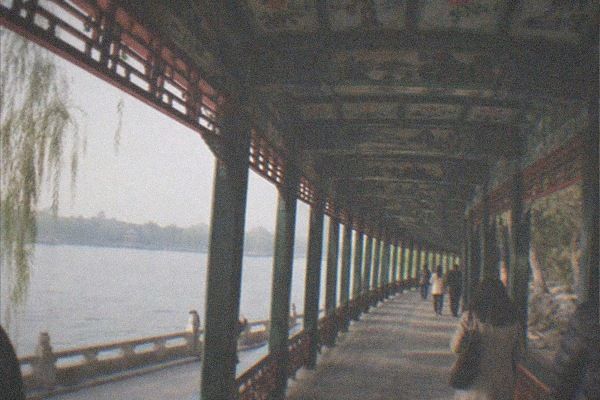
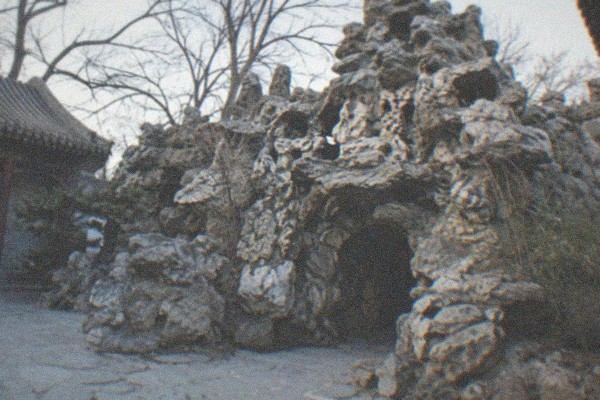
The garden is what most visitors remember. It is laid out around a central pond, with artificial hills, covered walkways, a hillside theatre for private opera performances, and pavilions placed to frame views across the water. The design follows the conventions of a scholar’s garden but at princely scale, which is a rare combination to see intact in the city. The residential halls, by contrast, show how the highest aristocracy actually lived and received guests: reception rooms with throne-like seating arrangements, study chambers, and living quarters arranged in strict hierarchy by courtyard.
Because the mansion is a museum as well as a monument, temporary exhibitions rotate through some of the halls, covering Qing court life, the history of the prince and his era, and the conservation of the building itself. The venue’s official channel at https://mall.pgm.org.cn/ carries current exhibition and ticketing information, including an English-language option.
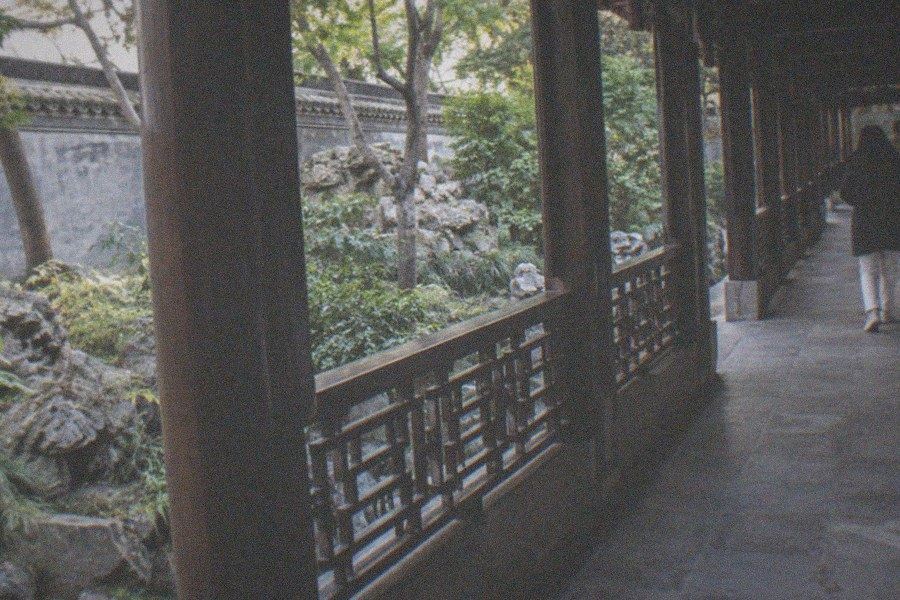
Visitors often pair the mansion with the Shichahai lakefront it sits beside: Qianhai is at the end of the street, and the hutong lanes running inland from the lake are among the most walkable in the city. The mansion is a Tier 1 imperial-theme venue on this site, in the same category as The Palace Museum (Forbidden City) and Temple of Heaven, and it makes a natural half-day companion to either.
How Much Do Prince Gong’s Mansion Tickets Cost?
General admission at the door is CNY 40 per adult. That is the venue’s own ticket price, paid in Chinese yuan. A third-party reservation product is also available from USD 11, which is a separate transaction: it books your timed entry under your passport details rather than replacing the official ticket. Entry is not free at this venue.
Two prices appear on this page because two different things are being sold. The CNY 40 figure is what the mansion itself charges for admission. The USD 11 from-price is what a booking service charges to make the real-name reservation on your behalf, sparing you the WeChat mini-program process described in the next section. The two figures are different transactions in different currencies and should not be compared or averaged against each other.
| Ticket | Price | Notes |
|---|---|---|
| General admission, at the door | CNY 40 | Official venue ticket price, paid in yuan |
| Third-party reservation product | From USD 11 | Books your timed entry under your passport; separate transaction from the door price |
Because the venue requires advance real-name reservation, the practical question is less about the price and more about securing a slot. If you are comfortable with the official channel, the CNY 40 ticket is booked directly. If you would rather hand the reservation to a service that handles the passport registration for you, check availability on the booking panel above, where the reservation product is sold from USD 11.
There are no free-entry periods published for this venue, and it is not one of Beijing’s free museums. Discount categories such as children, students and seniors are administered by the venue itself; where you qualify, book through the same official channel and carry the relevant ID, because real-name checks apply to discounted tickets just as they do to full-price ones.
How Does The Reservation System Work?
Yes, a reservation is required. Prince Gong’s Mansion releases timed-entry slots 10 days ahead, at 20:00 Beijing time each day. There is no walk-up purchase option for general visitors, so an advance real-name booking is the only route in. Foreign visitors can book online with a passport and exchange it for an entry pass at the service desk on the day.
The 10-day window is unusually generous by Beijing standards. Most major venues in this city open their windows 7 days ahead, and some as little as 1 or 3 days out. Ten days means you can lock in a Prince Gong’s Mansion slot well before the rest of your itinerary firms up, but it also means the release happens earlier in your planning cycle than you might expect: if your visit is 10 days away, tonight’s 20:00 release is already your booking moment.
The mechanics are the standard Beijing real-name process. You register on the venue’s official channel, found at https://mall.pgm.org.cn/, with your name and passport number, choose a date and time slot, and receive a booking tied to that document. On the day, you present the same passport. Foreign passport holders book online with the passport and exchange it for an entry pass at the service desk when they arrive. Do not book under one person’s name and arrive with someone else’s documents; the name on the reservation has to match the traveler at the gate.
Popular dates matter here. The mansion is a compact site with a strong lakeside location, and weekend and holiday slots are the first to go once the window opens at 20:00. If you are travelling in peak season or over a Chinese public holiday, treat the release time as a calendar event. Note also that the venue closes on Mondays, so a Monday arrival in Beijing means your earliest realistic visit is Tuesday.
If you would rather not run the official booking process yourself, the reservation product covered in the ticket section above exists precisely for this: the service makes the real-name booking under your passport details, and you present that passport at entry exactly as you would with a self-made reservation.
When Is Prince Gong’s Mansion Open?
Prince Gong’s Mansion is closed on Mondays, except when a Monday falls on a public holiday, in which case it opens. The venue has no published opening hours or last-entry time that could be verified, so plan around the reservation slot itself rather than a stated closing time. Allow 2 to 3 hours for a full visit.
The Monday closure is the single most expensive planning mistake available at this venue, because it is the one day of the week the mansion reliably does not open. The exception is public holidays: Mondays that fall on statutory holidays are working days for the museum, and those dates are also the busiest, since the whole city is travelling. If your Beijing itinerary is short, anchor the mansion to a Tuesday-through-Sunday slot and reserve it as early as the 10-day window allows.
Because the published hours could not be confirmed in research, the honest approach is to plan from your timed slot. Your reservation carries a specific entry window, and the visit itself is self-paced through the halls and garden. Two hours covers the main axis and the garden at a steady walk; three hours lets you sit in the garden, read the exhibition labels, and walk out to the Qianhai lakefront without rushing.
| Fact | Detail |
|---|---|
| Area | Xicheng District |
| Address | 17 Qianhai West Street, Xicheng District, Beijing |
| Closed day | Monday, except public holidays |
| Reservation required | Yes, real-name, timed entry |
| Booking window | Opens 10 days ahead, at 20:00 Beijing time |
| How long to allow | 2 to 3 hours |
For sequencing, mornings are the calmer half of the day at lakeside sites, and the mansion’s garden is at its best before midday crowds build. Pair the visit with a walk around Qianhai and the neighbouring hutong either before or after your slot, since the lakefront is at the end of the street.
How Do You Get To Prince Gong’s Mansion?
Prince Gong’s Mansion stands at 17 Qianhai West Street in Xicheng District, on the west side of the Qianhai lake in the Shichahai area. The Metro is the practical way in, and the Beijing Subway network’s route and fare information is published at https://www.bjsubway.com/. No single nearest station has been verified for this venue, so plan by the lakefront rather than by a named stop.
The Shichahai lakes are one of the best-served corners of central Beijing, with several lines within a short walk of the water, and the mansion’s position on the Qianhai west shore means you approach through the lakefront rather than through a traffic artery. That last stretch is on foot through hutong lanes, which is part of the visit’s appeal: the approach is narrow, lively and old-Beijing in character, lined with courtyard walls and small shops.
If you are using the subway, check your route on the Beijing Subway site before travelling, since line names and interchange patterns change as the network expands. Fares are distance-based and low by international standards, and the site publishes the current fare table and network map. Allow time for the walk from whichever station you choose to the lake, and for finding the street entrance itself: Qianhai West Street runs behind the lakefront promenade, so the mansion gate is one block inland from the water.
Arriving by car is possible but not the recommended option. The hutong streets around Shichahai are narrow, parking around the lakefront is limited, and the whole area is far more pleasant and faster to explore on foot. Taxis and ride-hailing cars can drop you at the lake end of the street, from which the walk to the gate is a few minutes. On busy weekend afternoons the roads around Qianhai congest badly, so build in slack if you are coming by car for a timed slot.
Cycling is a genuinely good middle option: the lakes have dedicated cycling demand, and arriving by bike lets you continue around Qianhai and Houhai afterwards. Whatever mode you choose, arrive at your timed slot with your passport in hand, because the real-name check at the entrance is the gate to the whole visit.
Who Should Visit And What Should You Pair It With?
Prince Gong’s Mansion suits visitors interested in Qing history, classical gardens and courtyard architecture, and it works especially well as a half-day pairing with the Shichahai lakes and hutong. It is less suited to visitors with no interest in historic buildings, and it is not a children’s science or activity museum. Reserve 10 days ahead to be safe.
The mansion’s strength is completeness. Beijing has imperial palaces and it has temples, but very few aristocratic residences survive with both their halls and their garden intact. If your itinerary already includes The Palace Museum (Forbidden City), the mansion is the natural counterpoint: the Forbidden City shows the emperor’s world, and Prince Gong’s shows how the imperial family’s most powerful prince lived one lake away from it. The comparison is what makes the visit rewarding, so if you can only do a few imperial sites, this one earns its place alongside Lama Temple (Yonghegong) and Temple of Heaven as a distinct experience rather than a repeat of them.
For pairing on the same day, the answer is already at your feet: the Qianhai and Houhai lakefront, the hutong lanes behind it, and the Bell and Drum Towers a short walk north. A morning slot at the mansion, a walk around the lake, lunch in the lanes, and an afternoon further into old Beijing is a full and varied day that never requires crossing the city.
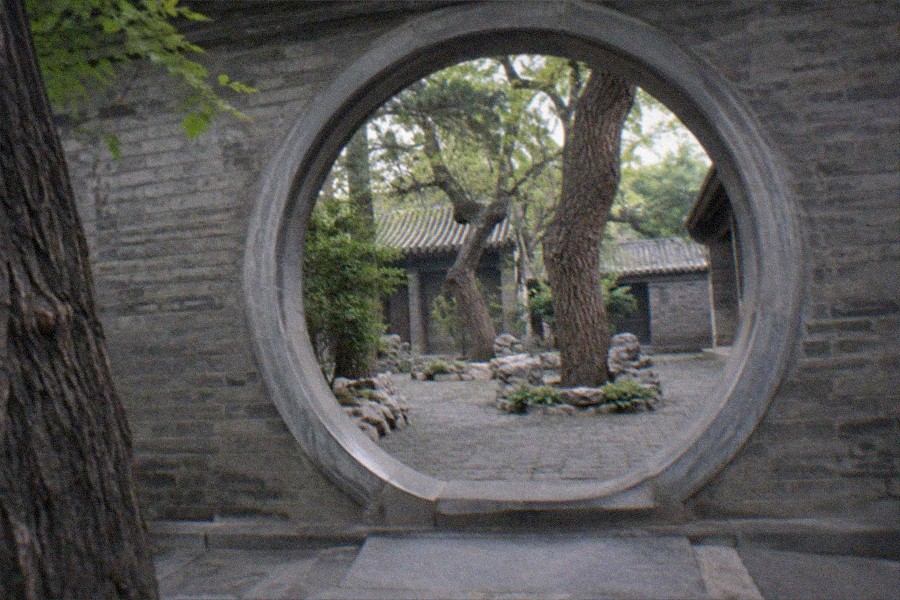
Who it does not suit: visitors with limited mobility should know the visit involves cobbled lanes, garden rockery paths and steps; and travellers with only one day in Beijing who need to choose between this and the city’s headline sites should choose the headline sites first. The mansion is a second-day treasure, and it rewards the unhurried visitor. For everyone else, the formula is simple: book at the 20:00 release ten days out, avoid Monday, carry your passport, and give the garden the time it deserves.
Questions People Ask
How much does Prince Gong’s Mansion cost?
General admission at the door is CNY 40 per adult, paid in Chinese yuan. A separate third-party reservation product is available from USD 11; that is a different transaction, a booking service that reserves your timed entry under your passport rather than a second admission price.
Do I need a reservation for Prince Gong’s Mansion?
Yes. A real-name, timed-entry reservation is mandatory, and there is no walk-up purchase for general visitors. Slots open 10 days ahead of the visit date, released at 20:00 Beijing time each day. Book as soon as your date enters the window, especially for weekends and holidays.
How far ahead do bookings open?
The reservation window opens 10 days before the visit date, at 20:00 Beijing time. This is longer than most Beijing venues, which commonly open 7 days ahead, so you can secure a slot earlier in your trip planning than at many other sites.
Does a foreign passport work for booking?
Yes. Foreign visitors book online using their passport and then exchange it for an entry pass at the service desk on the day of the visit. The name on the reservation must match the passport presented at the entrance, so every traveller in a group needs their own booking.
Is Prince Gong’s Mansion closed on Mondays?
Yes, the mansion closes on Mondays, except when a Monday falls on a public holiday, when it opens. Those holiday Mondays are also the busiest dates, so if you are visiting over a Chinese public holiday, expect crowds and reserve as early as the 10-day window allows.
How long should I allow for a visit?
Plan on 2 to 3 hours. Two hours covers the main halls and the garden at a steady pace; three hours lets you linger in the garden, read the exhibition material, and walk out to the Qianhai lakefront afterwards without rushing your timed slot.
Is entry free at Prince Gong’s Mansion?
No. This is a paid venue with admission of CNY 40 at the door, and a reservation is still required on top of the ticket. It is not one of Beijing’s free museums, and no free-entry periods are published for it.
What should I pair with Prince Gong’s Mansion?
The Shichahai lakefront is at the end of the street, so pair the mansion with a walk around Qianhai and the surrounding hutong lanes. For imperial Beijing, it makes a strong contrast with the Forbidden City, and it stands alongside the Lama Temple and Temple of Heaven as a distinct imperial-site experience.
Other Imperial Museums Worth A Look
The Palace Museum (Forbidden City)
Dongcheng
from $7 per person, live price on the listing Check availability →
Lama Temple (Yonghegong)
Dongcheng
from $10 per person, live price on the listing Check availability →