National Art Museum Of China
Free entry, no ticket needed.
Plan your visit →Opens the museum's own visitor page. There is nothing to book: the permanent collection is free.
- Admission
- Free
- Area
- Dongcheng
The National Art Museum of China sits at 1 Wusi Street in Dongcheng, a short walk from the northeast corner of the Forbidden City moat and directly on the avenue named after the May Fourth Movement that began nearby. The building itself is a landmark of 1950s Chinese civic architecture, a pavilion-style hall with a tiled roof that anchors one of the most historically loaded streets in Beijing. Inside, the galleries hold the national collection of Chinese fine art, from classical ink painting and calligraphy to contemporary work, alongside a rolling programme of temporary exhibitions. General admission costs nothing, but the museum runs a real-name timed reservation system with a daily cap of around 6,000 visitors, and it closes on Mondays. This page covers the reservation window, what is and is not free, and how to plan a visit.
What Is The National Art Museum Of China?
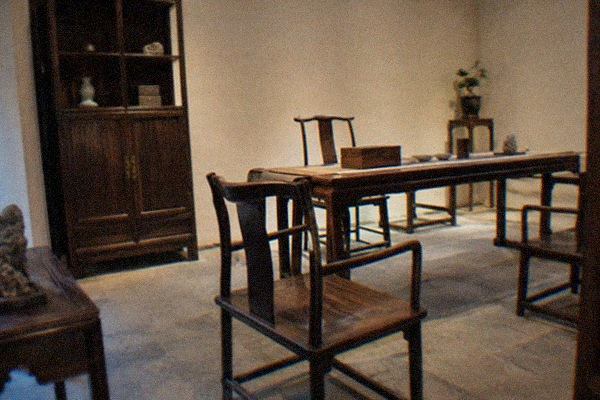
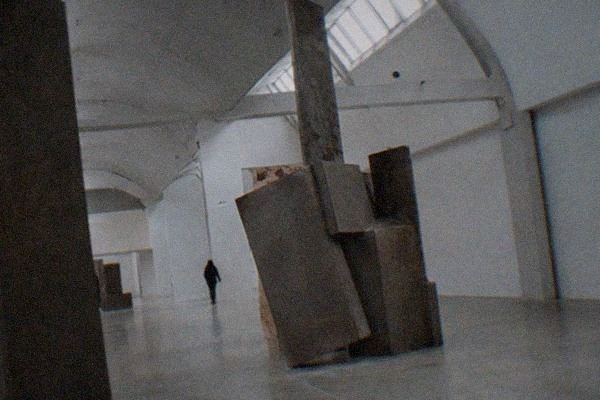
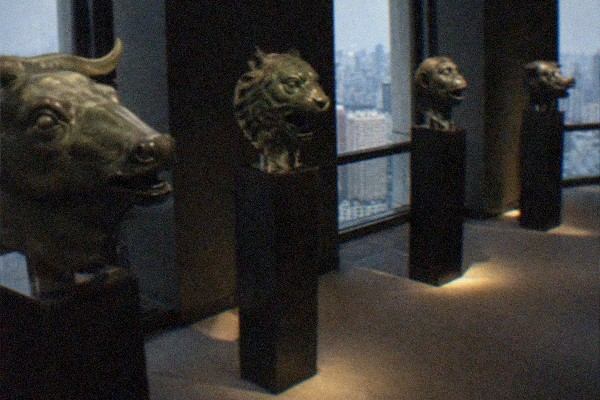
The National Art Museum of China, known in Chinese as Zhongguo Meishuguan, is the national museum of Chinese fine art, located at 1 Wusi Street in Beijing's Dongcheng District. It is a free, state-run museum holding the country's reference collection of painting, calligraphy, sculpture, printmaking and contemporary art, and it hosts a constant rotation of temporary exhibitions alongside its permanent galleries.
The museum's location is no accident. Wusi Street takes its name from the May Fourth Movement of 1919, the student protest that erupted a few hundred metres away, and the street remains one of the most symbolically charged addresses in the capital. The museum stands at the eastern end of it, within walking distance of the Forbidden City's northern edge, Jingshan Park and the historic hutong grid of Dongcheng. For visitors mapping an art day onto an imperial-history day, the geography could hardly be more convenient.
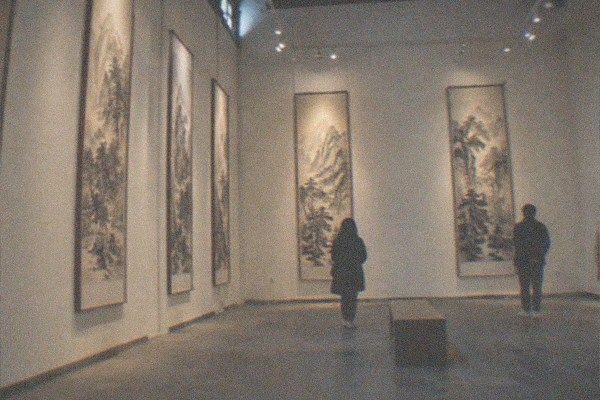
The collection spans centuries. Classical works in ink and brush sit beside the woodcut tradition that defined much of twentieth-century Chinese art, and the temporary exhibition halls regularly mount large shows drawn from both the museum's own holdings and international loans. Because the exhibition calendar changes constantly, two visits a few months apart can feel like entirely different museums. The permanent collection galleries are the constant, and they are what most first-time visitors come for.
As an institution it belongs to the same family of free national museums as the National Museum of China on the east side of Tiananmen Square, though the two could not be more different in scale and subject: one is a vast history museum on the square itself, the other a focused art museum on a quiet tree-lined avenue. Both are free, both require advance real-name reservations, and both close on Mondays. Visitors combining the two should note that their reservation windows open at different times of day, which matters if you are trying to secure both for the same trip.
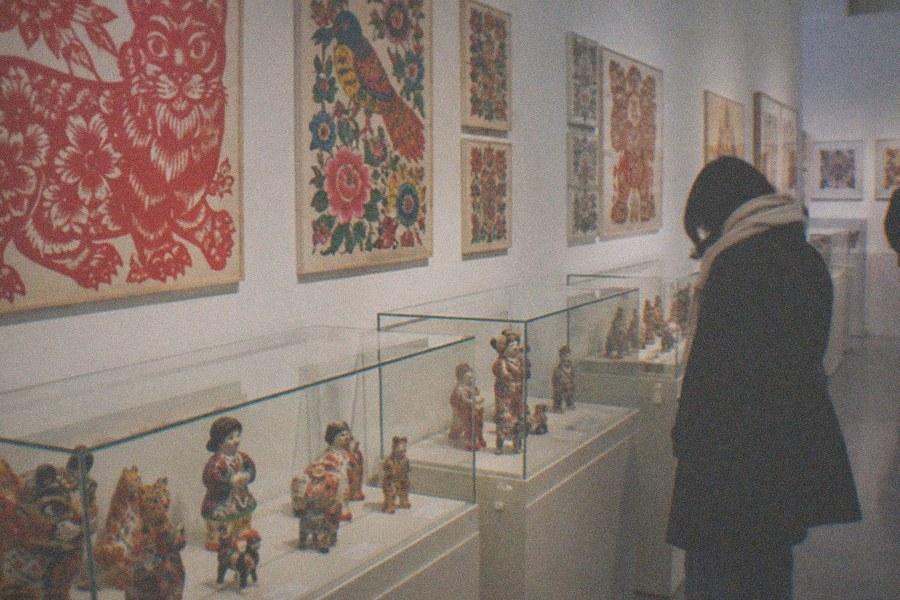
The museum is a genuine half-day destination rather than a quick stop. The galleries are spread across multiple floors, temporary shows often occupy several halls at once, and the building rewards slow looking rather than a brisk circuit. Planning around the reservation system, covered below, is the single most important piece of preparation.
How Much Do Tickets Cost?
General admission to the National Art Museum of China is free. There is no door price, no adult ticket and no concession structure for the permanent collection, because there is nothing to pay. The catch is that free does not mean walk-in: entry requires an advance real-name reservation, and the daily quota is capped at around 6,000 visitors.
This is the standard pattern among Beijing's national museums, and it is worth understanding before arrival. The museum does not sell a ticket; it issues a timed entry reservation tied to your identity document. When you arrive, you present the document you registered with, and the reservation is checked at the entrance. There is no cash desk for general admission because there is no fee to collect.
| Ticket type | Price | Notes |
|---|---|---|
| General admission | Free | Advance real-name reservation required |
| Reservation window | 7 days ahead | Opens daily at 16:00 Beijing time |
| Daily cap | Around 6,000 | Popular dates can fill |
| Special exhibitions | Occasionally charged | Announced per exhibition |
The one place money can enter the picture is a special exhibition. From time to time the museum mounts ticketed temporary shows that carry a separate charge, announced exhibition by exhibition. These are the exception rather than the rule, and the free permanent collection is always the core offer. If a charged exhibition is running during your visit and you want to see it, the details and any separate booking step are published by the museum itself on its official reservation channel.
Visitors coming from the paid side of Beijing's museum landscape will find the contrast useful. The Confucius Temple and Imperial College Museum, a short hop north in the same district, charges CNY 30 at the door, and the Palace Museum (Forbidden City) charges CNY 60 in peak season. The National Art Museum of China asks for nothing except a reservation made in advance. The real currency here is planning, not money.
One practical warning follows directly from the free-but-reserved model: the daily cap of around 6,000 means that on busy days, especially weekends, public holidays and the opening days of major exhibitions, the reservation quota can run out. Free does not mean unlimited. Booking on the day the window opens is the reliable strategy, and the mechanics of that are worth knowing precisely.
How Does The Reservation System Work?
Every visitor must make an advance real-name reservation before visiting the National Art Museum of China. The booking window opens 7 days ahead of your intended visit date, with new slots released daily at 16:00 Beijing time, and the daily quota is capped at around 6,000 visitors. Reservations are made through the museum's official website, its WeChat service account or its WeChat mini-program.
The 7-day window is the number to build your planning around. If you want to visit on a Saturday, the reservation for that Saturday becomes available seven days earlier, at 16:00 Beijing time. Set an alarm for a few minutes before release if the date matters to you, because popular days, particularly weekends and holiday periods, can see the quota claimed quickly after the window opens. This is not scarcity marketing; it is simply how a capped free system behaves.
The reservation is real-name, meaning it is tied to an identity document. Foreign visitors can register using a passport, which is accepted in the museum's reservation channels alongside Chinese ID cards. The critical rule is that the document you book with must be the same physical document you carry on the day. A passport number typed at booking and a passport left in the hotel safe will not get you through the door. Bring the original.
The museum's own reservation page, at https://www.namoc.cn/namoc/zxyy/gryy.shtml, is the authoritative channel for making the booking and for any current changes to the rules. It is live and carries an English version, which makes it one of the more accessible official reservation pages among Beijing's national museums. The WeChat service account and mini-program are the alternatives, useful if you are already living inside WeChat during your trip.
Comparing windows across the city helps with sequencing a multi-museum itinerary. The National Museum of China releases 7 days ahead at 17:00, the Palace Museum 7 days ahead at 20:00, and this museum 7 days ahead at 16:00. In practice, that means an art-museum reservation can be secured in the late afternoon, a National Museum slot an hour later, and a Forbidden City slot in the evening, all for the same future date, from the same hotel room. The staggered release times are a small mercy for travellers trying to lock in a full Beijing week.
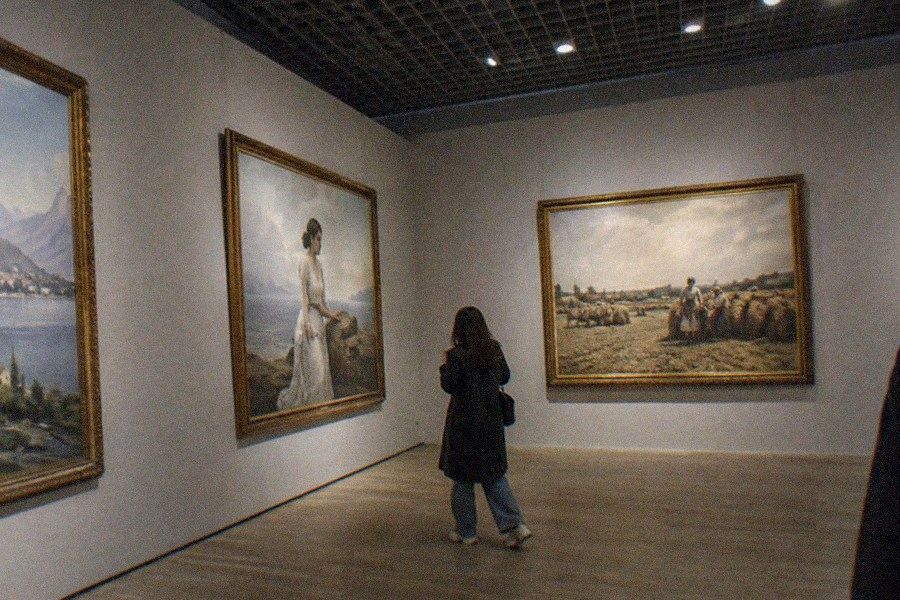
A final note on timing: the reservation is timed, so book the slot that matches your intended arrival rather than treating it as an all-day pass. Arriving inside your slot keeps the queue moving, and arriving well outside it risks being turned back to rebook. If your plans change, release the reservation if the system allows it, so the slot returns to the pool for someone else.
What Is Not Free?
General admission is free, but three things can still cost money or effort: special exhibitions, which occasionally carry a separate charge announced per show; parking around Wusi Street, which is paid street or lot parking in a congested central district; and the reservation itself, which is free but demands your time and a working identity document.
Starting with special exhibitions: the museum's core galleries cost nothing, but its programme of major temporary shows has, at various points, included ticketed exhibitions with their own admission charge. Whether any given show is charged is announced when the exhibition is announced, and the museum's official channel publishes those details. The honest framing for a visitor is this: budget nothing for entry, but check whether the headline exhibition of the moment carries a charge before you assume the whole building is free on the day.
Parking is the more predictable cost. Wusi Street sits in the heart of Dongcheng, minutes from the Forbidden City, and central Beijing parking is paid, limited and often frustrating. Rates and availability are set by the district's street-parking zones and nearby commercial lots, not by the museum, and no figure for parking is published by the museum itself. The practical advice is simple: do not drive to this museum. The reservation cap of around 6,000 visitors a day means the immediate streets are busy on any day worth visiting, and public transport, covered in the next section, is the sane option.
The third cost is effort rather than money. A free ticket still requires you to be on the reservation system at 16:00 Beijing time seven days before your visit, with your passport details to hand, and to carry that passport on the day. Visitors who treat free as effortless are the ones standing outside on a Monday, or outside on a sold-out Saturday, without a booking. Visitors who spend ten minutes on the official channel a week ahead walk straight in.
It is also worth being clear about what does not exist here. There is no paid fast-track, no skip-the-line product and no third-party agent authorised to sell entry to this museum. Entry is free through the official reservation system and nothing else. Anyone offering to sell you a ticket to the National Art Museum of China is selling something the museum itself gives away, and the reservation they make on your behalf is one you could make yourself in the same ten minutes, on the museum's own page, without handing over your passport details to a stranger.
How Do You Get There?
The National Art Museum of China is at 1 Wusi Street, Dongcheng District, Beijing, at the eastern end of Wusi Street near its junction with the arterial roads north of the Forbidden City. It is a central Dongcheng location, walkable from the Forbidden City's north gate, Jingshan Park and the National Museum of China side of Tiananmen Square, and served by Beijing's subway network.
On foot, the museum is easiest to fold into an imperial-axis day. Coming from the Forbidden City, exit at the north, walk east along the moat and continue onto Wusi Street; the museum's pavilion frontage appears within a short, flat walk. Coming from Jingshan Park, it is a similar short hop east. This is one of the few major museums in Beijing where walking is genuinely the best answer for most visitors, because so much of the standard tourist geography sits within fifteen or twenty minutes of its doors.
By subway, Beijing's network covers the surrounding area with several stations within reach of Wusi Street, and current line, station and fare information is published by the operator at https://www.bjsubway.com/. The subway is cheap, reliable and unaffected by the central-district parking problems described earlier. Check the operator's own site for the station closest to your starting point and for any service changes on your travel date, because line extensions and station works do shift the best route over time.
By taxi or ride-hailing, the address to give is 1 Wusi Street, Dongcheng District. Drivers in Beijing know the museum by its Chinese name, Zhongguo Meishuguan, and the street itself is a named destination, so confusion is rare. Expect the approach to be slow on busy days, since the streets around the museum carry the same traffic as everything else in central Dongcheng.
For orientation against the rest of a Beijing itinerary: the museum is in the same district as the Forbidden City, the National Museum of China and the Confucius Temple and Imperial College Museum, all of which are linked from this site with their own visitor pages. A realistic Dongcheng day pairs the art museum with either the Forbidden City in the morning or the hutong quarter north of Wusi Street in the afternoon, with the reservation slots for each booked in the staggered release windows described above.
How Long Should You Allow And When Is It Closed?
Allow two to three hours for the National Art Museum of China, longer if a major special exhibition is running. The museum is closed on Mondays, except statutory holidays, when Monday openings follow the national holiday calendar. Entry is by advance reservation only, released 7 days ahead at 16:00 Beijing time, with a daily cap of around 6,000 visitors.
The Monday closure is the single most expensive planning mistake available here, exactly as it is across most of Beijing's museum sector. The Palace Museum, the National Museum of China and this museum all close on Mondays except statutory holidays, which means a Monday in Beijing can leave a visitor with almost no major museum to enter. The exception is real but narrow: when a national statutory holiday falls on a Monday, the museum opens, and the closure shifts or disappears according to the holiday calendar. If your trip spans a holiday period, check the museum's own announcements for that specific week.
| Fact | Detail |
|---|---|
| Area | Dongcheng |
| Closed day | Monday (except statutory holidays) |
| Reservation required | Yes, real-name, in advance |
| Reservation window | 7 days ahead, released at 16:00 Beijing time |
| Daily cap | Around 6,000 visitors |
| Time to allow | 2 to 3 hours |
Two to three hours is the honest allowance for the permanent collection at a normal pace. Add time if a headline exhibition is drawing crowds, both because the show itself takes viewing time and because the reservation slots for popular days go fastest. The building is fully indoor, which makes it a strong option for Beijing's summer afternoons and its cold, dry winters, and a natural companion to outdoor sights like Jingshan Park or the Forbidden City courtyards, which are better in the relative calm of the morning.
Sequencing advice for a full Dongcheng day: book the Forbidden City for the morning, walk out the north gate after lunch, and reach the art museum for an early-afternoon slot. The reverse also works, with the museum in the morning and the imperial axis in the afternoon, though the Forbidden City's own reservation window and cap make morning the safer bet there. Either way, the two reservations are made a week apart in the same evening, at 20:00 for the Palace Museum and 16:00 for the art museum, on the day seven days before you travel.
Finally, the practical checklist. Reserve seven days ahead at 16:00 Beijing time through the official channel. Bring the original passport you registered with. Avoid Mondays. Expect to pay nothing at the door. And if a special exhibition interests you, confirm its status on the museum's own page before you go, since that is the one corner of the visit where a charge can appear.
Questions People Ask
Is the National Art Museum of China free to visit?
Yes, general admission is completely free. There is no door price and no ticket to buy for the permanent collection. However, free entry still requires an advance real-name reservation made through the museum's official channel, and the daily quota is capped at around 6,000 visitors.
Do I need a reservation even though it is free?
Yes, a reservation is mandatory. The museum operates a real-name timed entry system, and walk-up entry is not the standard route. Reservations open 7 days ahead of your visit date, with new slots released daily at 16:00 Beijing time, and popular dates can fill quickly.
When does the reservation window open?
The window opens 7 days ahead of the intended visit date, at 16:00 Beijing time each day. If you want to visit on a Saturday, that Saturday's slots become available seven days earlier at 16:00. Booking promptly at release is the reliable strategy for weekends and holidays.
Can foreign visitors book with a passport?
Yes, a foreign passport is accepted for real-name reservation through the museum's official channels, alongside Chinese ID. The document you register with must be the same physical document you carry on the day, so bring the original passport rather than a copy or photo of it.
When is the museum closed?
The museum closes on Mondays, except when a statutory holiday falls on a Monday, in which case it opens according to the national holiday calendar. This matches the pattern at the Forbidden City and the National Museum of China, so a Monday in Beijing can leave most major museums inaccessible.
Is anything at the museum charged?
General admission is free, but special exhibitions occasionally carry a separate charge, announced exhibition by exhibition. Parking around Wusi Street is also paid, as paid street and lot parking in central Dongcheng. The reservation itself costs nothing.
How long should I allow for a visit?
Plan on two to three hours for the permanent collection at a comfortable pace, and longer if a major special exhibition is running. The building is fully indoor, making it a good option in both Beijing's summer heat and its cold winters.
Where is the museum and how do I reach it?
The museum is at 1 Wusi Street, Dongcheng District, at the eastern end of the avenue, within walking distance of the Forbidden City's north side and Jingshan Park. It is walkable from much of central Dongcheng, and Beijing's subway network serves the surrounding area, with current route information published by the operator at bjsubway.com.