Poly Art Museum Tickets
Current admission is on the museum's own ticket page.
Visitor info →Opens the museum's own website. Book on the official site; nothing is charged on this page.
- Area
- Dongcheng
- Theme
- Art & contemporary
Nine floors above Chaoyangmen North Street, inside the glass tower of New Poly Plaza, the Poly Art Museum occupies two levels of one of Beijing's most quietly serious collections of ancient Chinese art. The galleries are devoted largely to early bronze, ritual vessels and figures, and to Buddhist stone carving, and the museum is closely associated with the bronze animal heads from the Old Summer Palace water-clock fountain. It is a compact museum by capital-city standards, and priced accordingly: CNY 20 at the door. It closes on Sundays and statutory holidays, the reverse of most Beijing museums, and it asks for an online reservation at least a day ahead. This guide covers tickets, the reservation system, the closed days, and the practical business of getting up to the ninth floor of an office tower.
What Is The Poly Art Museum?
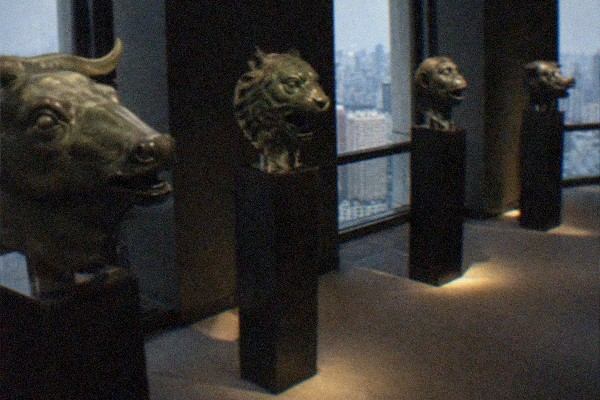
The Poly Art Museum is a small art museum occupying floors 9 and 10 of New Poly Plaza at 1 Chaoyangmen North Street in Beijing's Dongcheng District. Its collection centers on ancient Chinese art, early bronze and Buddhist stone carving, and the museum is closely tied to the bronze animal heads from the Old Summer Palace fountain, works that returned to China through the Poly organization's efforts.
That last point matters to many Chinese visitors. The zodiac animal heads cast for the fountain at the Old Summer Palace were scattered when the palace was looted in 1860, and their recovery became a national cause. The Poly Art Museum's connection to several of those heads is a large part of why the museum carries a name recognition far beyond its footprint, and why the galleries draw a steady stream of visitors who come specifically to stand in front of them.
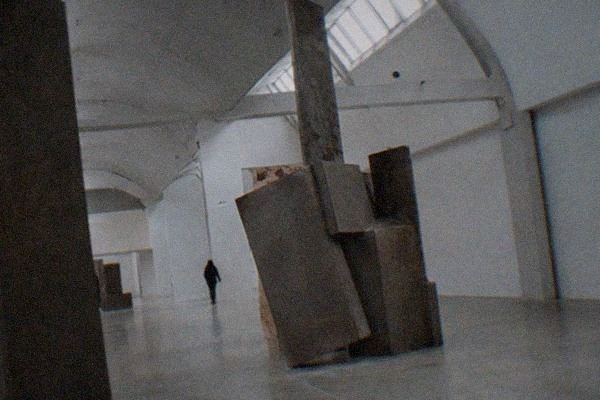
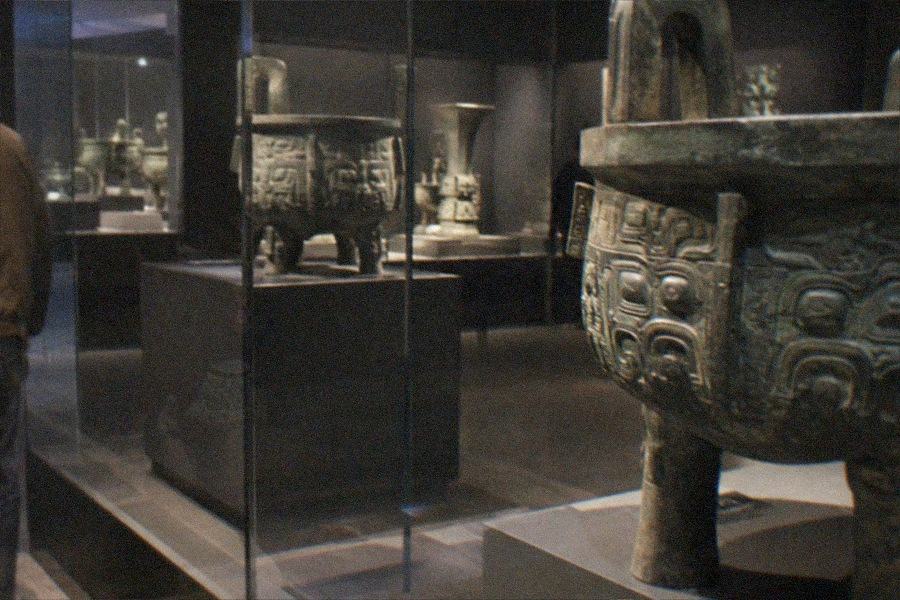
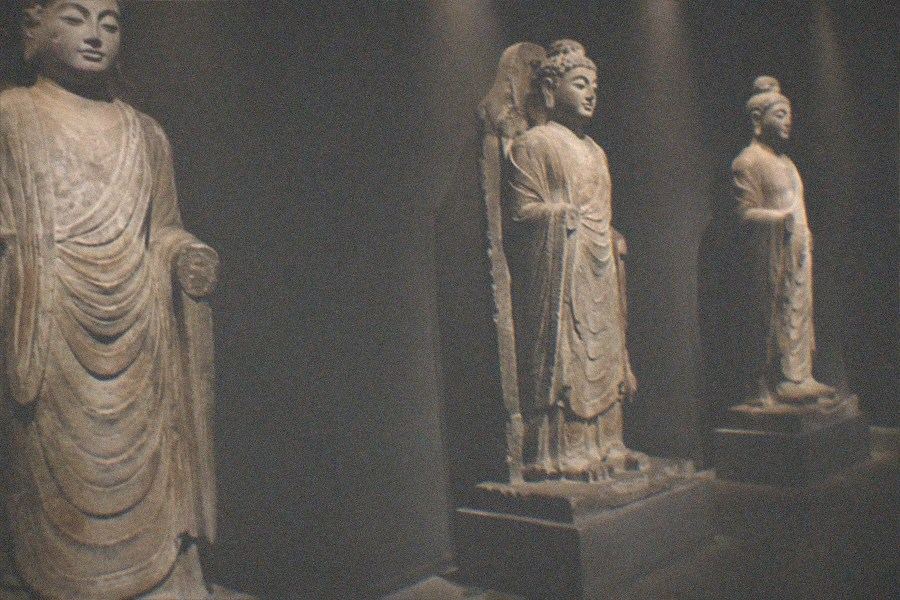
The rest of the collection rewards a slower look. The bronze holdings include ritual vessels and figural pieces from early Chinese dynasties, displayed with enough room to circle them, and the Buddhist stone carving galleries trace devotional sculpture across centuries. None of it is roped-off spectacle; the scale of two floors means the displays are close, lit, and unhurried.
This is a different animal from the great state museums of the capital. Where The Palace Museum (Forbidden City) spreads its collection across a palace city of courtyards and the National Museum of China fills a vast hall on Tiananmen Square, the Poly Art Museum is a focused, two-floor gallery inside a corporate tower. Visitors who want depth in one narrow field, early bronze above all, will get more from it per hour than from almost anywhere else in the city.
One practical note shapes everything else on this page: because the museum sits inside a functioning office building, a visit involves building registration and elevators as well as a ticket. The sections below cover the price, the reservation, the unusual closed day, and the route up.
How Much Do Poly Art Museum Tickets Cost?
An adult ticket to the Poly Art Museum costs CNY 20 at the door. There is no free general admission. Discounted or free categories do exist for eligible groups of visitors, though the concession figures are not published in the material this guide is built on, so none are quoted here. Payment goes through the museum's own channel or at the door.
CNY 20 puts the Poly Art Museum at the low end of Beijing's paid museums, and comfortably below several of its Dongcheng neighbours. The Confucius Temple and Imperial College Museum charges CNY 30 at the door; the Forbidden City charges CNY 60 in peak season. What the Poly Art Museum offers for its 20 yuan is concentration: two floors, one collection, no walking marathon between halls.
| Ticket | Price and terms |
|---|---|
| Adult admission (at the door) | CNY 20 |
| Discounted and free categories | Available for eligible groups of visitors |
| Where to pay | The museum's own online reservation channel, or at the door |
The museum's own website at http://www.polyartmuseum.com/ carries the ticket page and the current visiting information, and it is the venue's own channel that handles the transaction. The site is live but has no English version, so visitors who do not read Chinese should expect the Chinese-language pages and plan accordingly, or bring a translation tool.
Two things this page will not do: quote a rating or a review count for the museum, because none is verified, and convert the door price into any other currency. The CNY 20 figure is what a visitor pays at the venue in Beijing, full stop. Anyone who sees a very different price quoted online for "Poly Art Museum entry" is looking at a different transaction, not this ticket.
Do You Need A Reservation To Visit The Poly Art Museum?
Yes. The Poly Art Museum requires a reservation made at least 1 day ahead through its online channel, the WeChat or Alipay mini-program named 保利艺术博物馆. Some same-day visits are possible by walking up and registering at the building, but the dependable route is booking online the day before. The time of day at which slots release is not published.
The reservation window is short by Beijing standards, and that is good news for late planners. The Forbidden City opens its window 7 days ahead at 20:00 Beijing time, and the National Museum of China opens 7 days ahead at 17:00, both of those reward visitors who book a week out. The Poly Art Museum asks only for a day's notice, which means a visitor deciding on Tuesday evening can reasonably plan a Wednesday visit. The trade-off is that the museum is small and the building is a controlled office tower, so the online booking is the route that guarantees the elevator ride up.
The same-day walk-up option exists, with an important condition: it involves registering at the building. New Poly Plaza is a working office tower, and walk-in visitors go through the building's registration process before reaching the museum floors. That step works for some visitors on some days, but it is the fallback, not the plan. Booking at least a day ahead online removes the uncertainty.
For foreign visitors, the reservation system is workable: passport holders can visit, with ID verification against the reservation. The mini-program channel is the same one Chinese visitors use, and the passport is the document that gets checked. Visitors who have navigated the Forbidden City's passport-based real-name booking will recognize the pattern; the Poly Art Museum's version is simply smaller and opens on a shorter window.
The museum's own site at http://www.polyartmuseum.com/ is the venue's channel for visiting information, and the mini-program 保利艺术博物馆 is where the booking itself happens. Neither carries an English interface, so a translation app is a reasonable companion for the booking screens.
What Days Is The Poly Art Museum Closed?
The Poly Art Museum closes on Sundays and on statutory holidays. That is the reverse of the Beijing norm: most museums in the capital, including the Forbidden City and the National Museum of China, close on Mondays and open on Sundays. For the Poly Art Museum, plan around Sunday, not Monday, or the galleries will be shut.
This inverted schedule catches out a surprising number of visitors, because the Monday-closure reflex is strong in Beijing. A traveller who budgets Monday for "the small museums" and saves Sunday for shopping will find the Poly Art Museum dark on exactly the wrong day. The rule is simple and worth repeating: Sunday closed, statutory holidays closed, other days open subject to the reservation.
The statutory-holiday part of the rule deserves its own sentence. China's statutory holidays, the Golden Week periods around National Day and Spring Festival, plus the shorter public holidays through the year, follow the government calendar, and when they fall, the museum closes. A visit planned around any public holiday should assume closure unless the date is confirmed as a working day.
The Sunday closure also shapes itinerary logic. Because the museum sits in Dongcheng, close to several Monday-closing institutions, it pairs naturally with a weekday plan: the Confucius Temple and Imperial College Museum, which also books 1 day ahead and closes Mondays, and the Forbidden City can share a week's schedule with the Poly Art Museum without any of the three conflicting on closed days. Sunday, by contrast, is the day to give to parks and open-air sights rather than to this gallery.
How Do You Get To New Poly Plaza?
The Poly Art Museum sits on floors 9 and 10 of New Poly Plaza at 1 Chaoyangmen North Street, Dongcheng District, Beijing. Because the museum is inside a working office tower, visitors register at the building before going up to the galleries. The Chaoyangmen area around the plaza is one of central Beijing's better-connected crossroads.
The address itself does most of the navigational work: Chaoyangmen North Street runs north from the Chaoyangmen junction, which is a major intersection on Beijing's inner ring of avenues, and New Poly Plaza is a landmark tower on that street. Taxi and ride-hail drivers know the building by name. The museum's own site at http://www.polyartmuseum.com/ carries the location details in Chinese for showing to a driver or a security desk.
For subway planning, the official Beijing Subway site at https://www.bjsubway.com/ carries the current network map and station information. The street name on the museum's address, Chaoyangmen, matches the name of the junction and the station area at the heart of this district, so the surrounding blocks are well covered by the transit map on that site. Visitors arriving by metro should budget a short walk from the station area to the plaza's entrance and security desk.
What follows the street is the part first-time visitors underestimate: the building. New Poly Plaza is an office building, not a museum lobby. Entry involves the building's registration process, the same step that governs the same-day walk-up option described above, and then the elevators to floors 9 and 10. Visitors with a confirmed online reservation should carry the passport or ID used to book, because that is the document checked against the reservation. Allow a few extra minutes for the ground-floor formalities on top of the travel time.
| At a glance | Poly Art Museum |
|---|---|
| Area | Dongcheng District |
| Address | Floors 9-10, New Poly Plaza, 1 Chaoyangmen North Street, Dongcheng District, Beijing |
| Closed | Sunday and statutory holidays |
| Reservation | Required, book at least 1 day ahead online |
| Same-day entry | Sometimes possible, with registration at the building |
| How long to allow | About 1 to 2 hours, plus building registration on arrival |
How Long Should You Allow And What Should You See?
Allow roughly one to two hours for the Poly Art Museum. The galleries occupy two floors, 9 and 10, of New Poly Plaza, holding a compact collection of ancient Chinese bronze and Buddhist stone carving rather than a sprawling multi-building campus. The visit scales to the space: unhurried, close-up, and short by big-museum standards.
Within that time, three things carry the visit. First, the bronzes: ritual vessels and figural works from early Chinese dynasties, the museum's core strength and the reason many specialists make the trip up the tower. Second, the Buddhist stone carving, a quieter set of galleries that rewards slow looking and traces devotional sculpture across a long arc of Chinese history. Third, the Old Summer Palace animal-head connection, the bronze zodiac heads from the looted fountain, whose recovery is bound up with the Poly name. Many Chinese visitors come for that story first and discover the rest of the collection on the way.
Because the visit is short, the museum slots easily into a Dongcheng day. The Confucius Temple and Imperial College Museum on Guozijian Street, a CNY 30 ticket, a 1-day-ahead reservation window, and a Monday closure, makes a natural pairing on a weekday, and the Forbidden City's vast courtyards can fill a separate day entirely. A visitor with one free afternoon and an interest in ancient bronze will find the Poly Art Museum the most efficient use of it in the district.
Two closing practicalities. Book the online reservation the day before, carry the passport or ID used to book, and remember that the building's ground-floor registration comes before the galleries. And check the calendar against the closed day before committing: Sunday and statutory holidays are dark, every other day is in play. Get those two things right and the rest of the visit is a short elevator ride and two quiet floors of bronze.
Questions People Ask
How much does it cost to visit the Poly Art Museum?
An adult ticket costs CNY 20 at the door. There is no free general admission, though discounted or free categories exist for eligible groups of visitors. Payment goes through the museum's own online reservation channel or at the door itself, and the museum's own website carries the ticket page.
Is the Poly Art Museum free to enter?
No. Unlike Beijing's free state museums such as the National Museum of China, the Poly Art Museum charges CNY 20 for adult admission. Some eligible visitor groups get discounted or free entry, but general admission is paid, and the price is the same whether arranged online in advance or handled at the door.
Do I need a reservation for the Poly Art Museum?
Yes. The museum requires a reservation made at least 1 day ahead through its online channel, the WeChat or Alipay mini-program named 保利艺术博物馆. The window is short compared with the Forbidden City's 7-day-ahead system, so a booking made the day before a weekday visit is normally enough.
Can I walk in on the same day without booking?
Sometimes. A same-day walk-up visit is possible in some cases, but it involves registering at the building, because the museum sits inside the New Poly Plaza office tower. The dependable route is the online reservation made at least 1 day ahead; walk-up is the fallback, not the plan.
What day is the Poly Art Museum closed?
The museum closes on Sundays and on statutory holidays. This is the reverse of most Beijing museums, which close on Mondays. A visit planned for a Sunday will find the galleries shut, so schedule the Poly Art Museum on a weekday or a Saturday and give Sunday to open-air sights.
Where exactly is the Poly Art Museum located?
It occupies floors 9 and 10 of New Poly Plaza at 1 Chaoyangmen North Street, Dongcheng District, Beijing. Because the museum is inside a working office tower, visitors register at the building and take the elevators up, so allow a few extra minutes on arrival beyond the travel time.
Does a foreign passport work for the reservation?
Yes. Passport holders can visit, with ID verification against the reservation. The booking channel is the same WeChat or Alipay mini-program that Chinese visitors use, and the passport is the document checked at entry, so carry the same one used to make the reservation.
How long should I allow for a visit?
About one to two hours covers the two floors of galleries, plus a few minutes for building registration on arrival. The collection, early Chinese bronze, Buddhist stone carving, and the Old Summer Palace animal-head connection, is compact and displayed close-up, so the visit is short by big-museum standards.
Other Art Museums Worth A Look