UCCA Center For Contemporary Art Tickets
Current admission is on the museum's own ticket page.
Official tickets →Opens the museum's own website. Book on the official site; nothing is charged on this page.
- Area
- Chaoyang
- Theme
- Art & contemporary
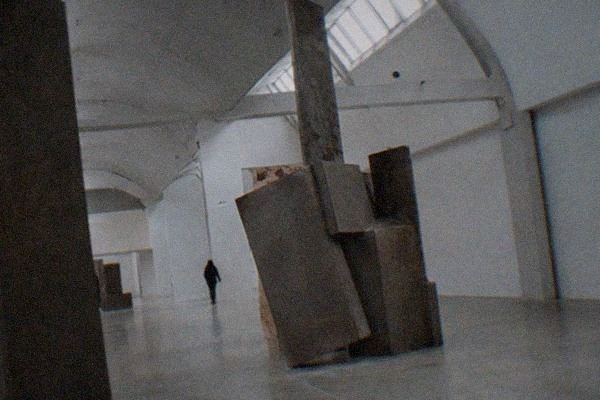
Inside a decommissioned machinery hall in Beijing's 798 Art Zone, the UCCA Center for Contemporary Art stages some of the most closely watched contemporary exhibitions in China. The building still shows its factory bones, high ceilings, exposed brick, sawtooth skylights, while the art inside changes completely from one season to the next. There is no permanent display to plan around: the museum's identity is its rotating program of Chinese and international artists, and the ticket you buy is for the show running on your dates. That single fact shapes everything about visiting, the price, the closed day, even whether the doors are open at all. This guide covers tickets, reservations, getting there, and how to fit UCCA into a day in the art zone.
What Is The UCCA Center For Contemporary Art?
The UCCA Center for Contemporary Art is Beijing's best-known museum dedicated to contemporary art, occupying converted factory halls inside the 798 Art Zone in Chaoyang District. Its program is built on rotating temporary exhibitions of Chinese and international artists rather than a permanent collection display, so what you see depends entirely on which show is running on the dates you visit.
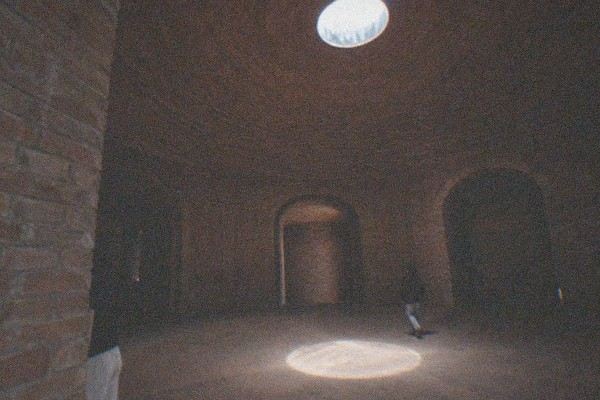
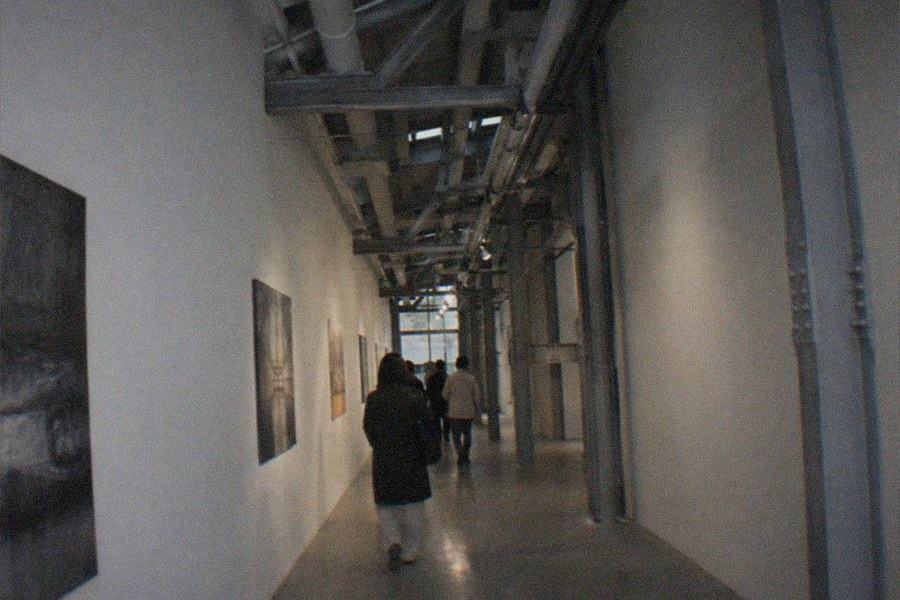
The 798 Art Zone is a former state electronics factory district in northeast Beijing whose decommissioned workshops and warehouses were taken over by galleries, studios and design businesses as industry moved out. UCCA sits at the heart of this grid at 4 Jiuxianqiao Road, and the museum's spaces are the zone's industrial architecture at its most dramatic: tall brick volumes, exposed beams and rows of north-facing sawtooth skylights that flood the halls with even, shadowless light, a factory trick originally meant for precision assembly work, and now ideal for looking at art.
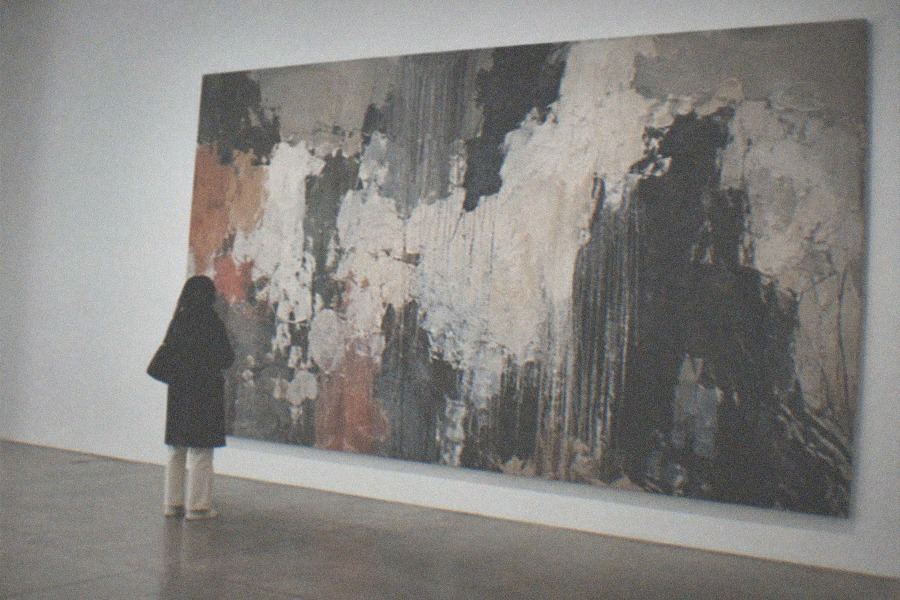
Because the program rotates, no two visits are the same exhibition. A season may bring a solo retrospective of a major Chinese artist, a large-scale installation filling the museum's biggest hall, or a thematic group show spanning film, painting and sculpture. The museum also runs talks, screenings and public programs alongside its exhibitions, so a single ticketed show often comes with a wider calendar attached.
What does not change is the setting. The 798 Art Zone around the museum is itself the attraction for many visitors, a walkable district of galleries, bookshops, cafes and public sculpture, and UCCA functions as its anchor venue. Anyone planning a visit should treat the museum and the zone as a single outing rather than a quick stop.
How Do Tickets And Prices Work?
UCCA charges for admission, and the price is set exhibition by exhibition: there is no fixed, year-round standard ticket price for the museum. Tickets are sold through UCCA's own WeChat channel and through ticketing partners such as Damai, and the current show's details are published on the museum's own visit page.
This is the single most important thing to understand about UCCA tickets. Unlike Beijing's imperial sites, where one adult price applies all year, UCCA prices each show separately. A headline retrospective and a modest group exhibition can carry different price tags, and the figure that applied last season may not apply now. No fixed standard admission price is published, and each exhibition announces its own.
| Ticket | Price | How It Works |
|---|---|---|
| Adult exhibition admission | Set by each exhibition | No fixed year-round standard price exists; each show prices its own ticket |
| Free entry | No | UCCA is a paid venue and does not offer free general admission |
| Where tickets are sold | — | UCCA's own WeChat channel and ticketing partners such as Damai |
| Advance reservation | Required | The advance booking window is not published |
The buying route is UCCA's own. The museum sells through its WeChat channel, and partner ticketing services such as Damai also carry its shows. Current exhibition details, including what is on and how entry is being sold, are published on the museum's own visit page, which carries an English version for international visitors.
What a ticket covers also depends on the calendar. When UCCA runs a single headline exhibition, the ticket is for that show; when two or more run concurrently, the visit page states what each ticket includes. Reading the show's details before buying avoids arriving expecting one thing and finding another, and it matters for the gap between one show closing and the next opening, when a visit can fall between exhibitions.
Do You Need A Reservation To Visit?
Yes, a reservation is required to visit UCCA, and entry is not free. How many days ahead the booking window opens is not published, and no confirmed release time for slots exists. The closed day varies by exhibition and is commonly Monday, so a Monday visit is the most likely date to arrive at shut doors.
Beijing's reservation culture catches many visitors off guard, and UCCA is firmly inside it. Entry is ticketed, tickets are sold in advance through UCCA's own channels, and the museum expects visitors to hold a ticket for the show they are seeing rather than paying a general door fee on arrival. The advance booking window, how far ahead you can secure a place, is not published, so there is no fixed rule such as a set number of days ahead at a set hour to plan around, unlike venues such as the National Museum of China, which opens its window seven days ahead at a fixed evening time.
| At A Glance | Detail |
|---|---|
| Area | Chaoyang District, northeast Beijing |
| Address | 798 Art Zone, 4 Jiuxianqiao Road, Chaoyang District, Beijing |
| Closed day | Varies by exhibition, commonly Monday |
| Reservation required | Yes; the advance booking window is not published |
| Tickets sold via | UCCA's own WeChat channel and ticketing partners such as Damai |
| English information | The official site carries an English version |
The closed day deserves emphasis because it is not a constant. UCCA's closing schedule follows its exhibition calendar, and while Monday is the common closed day, an exhibition's own dates can shift it. Before locking in travel dates, especially a Monday, confirm the show you want is open, because the museum's own visit page is where current exhibition dates are published.
For foreign visitors, the practical note is that UCCA's ticketing runs through WeChat and Chinese ticketing services, channels that work best with WeChat Pay or Alipay set up on a phone. Setting up a payment app before arrival smooths the purchase; the exhibitions themselves are fully accessible once you hold a ticket.
How Do You Get To The 798 Art Zone?
UCCA sits at 4 Jiuxianqiao Road inside the 798 Art Zone in Chaoyang District, northeast Beijing. The museum publishes no recommended subway station, so most visitors arrive by taxi or rideshare, dropping off at the art zone's gates and walking in. The Beijing Subway network serves the wider area, and its official site carries the network map for planning a rail leg.
The 798 Art Zone is a district of lanes rather than a single building, and its entrances open onto the roads around Dashanzi. Taxis and rideshares can drop visitors at the zone's gates, from which the walk to UCCA's entrance is short and passes other galleries on the way. This is the arrival pattern most regular visitors use, and it is the simplest option for anyone unfamiliar with the area.
For travelers who prefer rail, Beijing Subway's official site at www.bjsubway.com publishes the full network map, line information and fares for planning a journey toward the art zone's side of the city. Because UCCA publishes no recommended station, the rail-plus-taxi combination, taking a line toward northeast Chaoyang and finishing by car, is the workable approach for visitors who want to use the metro for part of the trip.
Driving is possible but has limits. The art zone has parking lots serving visitors, though no verified parking rate can be stated here, and weekend afternoons are when the district's lanes are busiest with both cars and pedestrians. Arriving earlier in the day makes both the parking and the gallery-going easier, and the district rewards time spent on foot rather than behind a wheel.
Once inside the zone, orientation is straightforward: the district is signed, UCCA's entrance is one of the zone's landmarks, and the walk from the gates passes the galleries that make up the rest of the visit. The district is flat but spread out, so the walking adds up over a full circuit.
How Long Should You Allow And What Else Is Nearby?
Allow one to two hours inside UCCA itself, and half a day if you intend to walk the surrounding 798 Art Zone, whose galleries, bookshops and cafes are the reason most visitors make the trip. The museum is not a standalone day-trip destination; it works best as the anchor of a half-day in the art zone, with the rest of the district explored around it.
A sensible sequence is to secure your UCCA ticket first for the hours when you want guaranteed exhibition time, then let the zone fill the remainder. The surrounding galleries, cafes and bookshops mostly operate on a walk-in basis, so they flex around your museum slot. If two UCCA exhibitions are running at once, or if a talk or screening is scheduled, extend the museum block accordingly.
Pairing UCCA with another museum depends on your interests and your willingness to cross the city. Within Chaoyang itself, the China Science and Technology Museum makes a contrasting half-day for families, interactive science against contemporary art, though the two sit far enough apart that they suit separate mornings rather than one rushed day. Visitors whose heart is in history rather than art will find their itineraries better built around Dongcheng's National Museum of China and the imperial collections of the Forbidden City.
Within the art zone itself, the pairing question answers itself: UCCA plus whatever galleries surround it is the day. Give the whole outing a half-day minimum, wear comfortable shoes for the district's lanes, and treat any extra time as a bonus rather than a plan.
Who Is The UCCA Best Suited For?
UCCA suits visitors with a genuine interest in contemporary art and anyone already exploring the 798 Art Zone. It rewards travelers who enjoy a rotating program in an industrial setting. It does not suit visitors seeking imperial treasures or ancient collections, that itinerary belongs to The Palace Museum (Forbidden City), or families whose children need interactive displays.
For art lovers, UCCA is close to essential: it is one of the Beijing venues where major international contemporary exhibitions and significant Chinese artists' retrospectives tend to appear, and its exhibition calendar is among the city's most followed. The museum's English-language information makes it one of the more approachable Beijing institutions for international visitors, and the 798 setting adds an afternoon's worth of discovery around the ticketed halls.
The middle case, casual visitors with no strong art background, is well served too, because a rotating program means there is no assumed prior knowledge, and the scale of the halls makes even a single show feel like a substantial outing. The deciding factor is curiosity rather than expertise.
For visitors on a first Beijing trip with limited time, the honest answer is that the city's headline museums come first, and UCCA is a second- or third-visit pleasure unless contemporary art is the specific reason for the trip. For anyone with three or more days, or with a stated interest in art, it moves up the list quickly, and Monday remains the day to avoid scheduling it.
Questions People Ask
Is the UCCA Center for Contemporary Art free to visit?
No. UCCA is a paid venue and does not offer free general admission. The ticket price is set exhibition by exhibition, so there is no fixed year-round standard price; each show prices its own ticket. This is different from Beijing's free national museums, which still require an advance real-name reservation.
Do I need a reservation for UCCA?
Yes. A reservation is required, and tickets are sold in advance through UCCA's own WeChat channel and ticketing partners such as Damai. How many days ahead the booking window opens is not published, so there is no fixed advance-purchase rule to plan around, decide your dates around the exhibition you want to see.
Where can I buy UCCA tickets?
Through UCCA's own channels: the museum's WeChat account and ticketing partners such as Damai. Current exhibition and ticketing details are published on the museum's own visit page, which carries an English version for international visitors. This guide links only to that official page.
When is UCCA closed?
The closed day varies by exhibition and is commonly Monday, so a Monday visit is the most likely date to find the doors shut. Because the closing schedule follows the exhibition calendar, an individual show's dates can shift it, confirm the exhibition you want is open before locking in travel dates, especially a Monday.
Where is the UCCA Center for Contemporary Art?
At 4 Jiuxianqiao Road, inside the 798 Art Zone in Chaoyang District, northeast Beijing. The museum publishes no recommended subway station, so most visitors arrive by taxi or rideshare, dropping off at the art zone's gates and walking in. Beijing Subway's official site carries the network map for planning a rail leg.
How long should I allow for a visit?
Allow one to two hours inside UCCA itself, and half a day if you want to walk the surrounding 798 Art Zone, whose galleries, bookshops and cafes are the reason most visitors make the trip. The museum is not a standalone day-trip destination; it works best as the anchor of a half-day in the district.
Is UCCA good for first-time Beijing visitors?
It depends on the reason for the trip. On a short first visit, Beijing's headline museums come first, The Palace Museum (Forbidden City) and the National Museum of China carry the imperial and historical collections most first-timers want. With three or more days, or with a stated interest in contemporary art, UCCA moves up the list quickly.
Can I visit UCCA and other 798 galleries on the same day?
Yes, and that is the usual pattern. UCCA serves as the anchor of a half-day in the 798 Art Zone, with the surrounding galleries, bookshops and cafes filling the rest of the outing. Secure your UCCA exhibition time first, then let the walk-in parts of the district flex around it.