Day-Trip Museums Around Beijing: The Ming Tombs, Zhoukoudian And The Grand Canal Museum
Beijing's biggest museum experiences sit outside the Second Ring Road, and each one turns on the same detail: whether you booked the right window before you left your hotel.
Short answer
Three museum day trips justify the travel time: the Ming Tombs in Changping, door CNY 60 with a reservation product from $20; the Zhoukoudian Peking Man site in Fangshan, CNY 30, from $13; and the free, walk-up Beijing Grand Canal Museum in Tongzhou. All three sit 40 to 60 km from the center, and two require advance real-name booking.
Day-Trip Museums Around Beijing: The Ming Tombs, Zhoukoudian And The Grand Canal Museum
Beijing's museum map does not stop at the Second Ring Road. Three of the most rewarding collections in the wider municipality sit an hour or more from the Forbidden City: the imperial tombs of the Ming dynasty in Changping, the cave site where Peking Man was found in Fangshan, and a brand-new canal museum out in Tongzhou. Each one answers a different curiosity, and each one has a booking rule that trips up visitors who assume a day trip works like a city museum.
This guide covers what each site actually contains, what entry costs at the door, how far ahead you must reserve, and how the three compare as outings. The short version: the Ming Tombs carry the strongest single experience, Zhoukoudian rewards anyone with an interest in deep human history, and the Grand Canal Museum is the easiest ticket on this list because it needs no ticket at all.
Which Museum Day Trips From Beijing Are Actually Worth The Travel Time?
Three stand clearly above the rest: the Ming Tombs, roughly 50 km north in Changping; the Zhoukoudian Peking Man site, about 50 km southwest in Fangshan; and the Beijing Grand Canal Museum in Tongzhou, east of the center. Each sits far enough out that you should dedicate most of a day, and each pairs a major collection with a landscape you cannot find inside the city.
The Ming Tombs are not strictly a museum, and it is worth saying so plainly. They are a World Heritage imperial necropolis where two of the thirteen tombs, Dingling and Changling, admit visitors into paid exhibition areas. Zhoukoudian is a genuine museum and excavation site in one, the place where skull fragments of Homo erectus were unearthed in the 1920s and 1930s. The Grand Canal Museum, also known as the Capital Museum East branch, is the newest of the three and tells the story of the waterway that fed Beijing for centuries.
Choosing between them is mostly a question of time and transport. All three connect to the city by subway plus a short taxi or bus leg, so none requires a car. The comparison below is the honest starting point.
| Day trip | District | What it is | Door price | Booking |
|---|---|---|---|---|
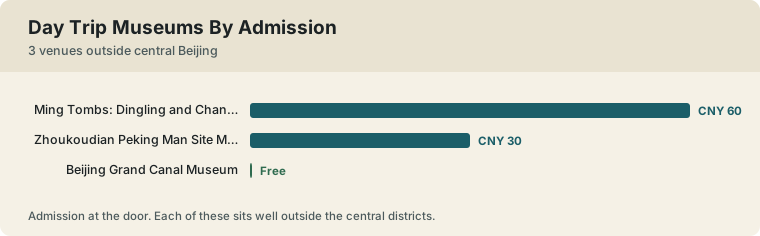
| Ming Tombs (Dingling and Changling) | Changping | Imperial Ming dynasty tomb complex | CNY 60 | Reservation required |
| Zhoukoudian Peking Man Site Museum | Fangshan | Paleoanthropology museum and cave site | CNY 30 | Reservation required, 7 days ahead |
| Beijing Grand Canal Museum | Tongzhou | Canal history museum, Capital Museum East | Free | Walk-up entry |
If your interest runs to imperial architecture, start with the tombs. If you want the oldest story on offer, start with Zhoukoudian. If you want a low-effort, high-reward half day, take the canal museum and combine it with a walk along the Tongzhou waterfront.
How Do You Get To The Ming Tombs And Book Entry?
Take the Changping Line to Ming Tombs station, then a taxi or bus for the final few kilometers to the Dingling and Changling entrances. Entry requires an advance real-name reservation made through the Changping Wenlü Group WeChat mini-program, and the door price is CNY 60 for the tomb areas covered on this route. There is no reliable walk-up fallback for general visitors.
The reservation point matters more than the transport detail. The Ming Tombs sit under the same real-name booking logic that governs the Forbidden City: you register with passport details, you receive a timed entry, and you present the matching document at the gate. Visitors holding foreign passports should note that the research for this site did not confirm passport support in that mini-program, so plan for the possibility that a local contact or a reservation service is the smoother route.
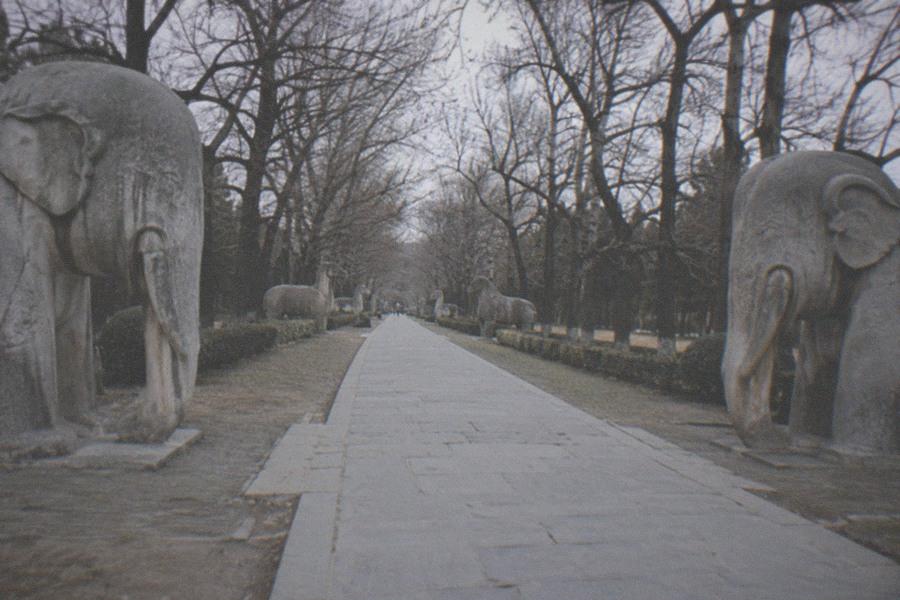
Budget the day realistically. The spirit way, the processional avenue lined with stone animals and officials, is the free-to-walk introduction most visitors remember longest. Dingling holds the excavated underground palace. Changling holds the grandest above-ground halls of the thirteen. Doing both tomb areas plus the spirit way fills five to six hours before you count the journey each way.
For a full route through the city's collections before you head out, the 3-day Beijing museum itinerary slots the tombs into a wider plan. And if you are weighing which tomb to enter at all, the question of which Ming tomb you can go inside has a specific answer: Dingling is the one with an underground palace open to the public.
The three listings above are reservation products, not scalped inventory. You supply passport details, the provider books the official ticket inside the release window, and the order is refunded if the official quota sells out first. That refund condition is standard across the major Beijing listings and worth reading before you pay.
What Can You See Inside The Dingling Underground Palace?
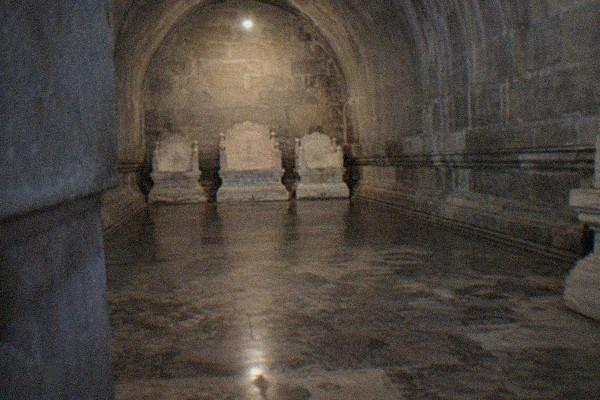
Dingling is the only Ming tomb at the site excavated and opened to the public, and its underground palace is a series of stone vaults deep beneath the mound, holding replicas of the thrones and the original marble doors that once sealed the chamber. Above ground, a museum building displays artifacts recovered during the 1950s excavation.
The excavation itself is the story. Digging began in 1956 and reached the burial chamber in 1957, and the project recovered thousands of artifacts alongside the remains of the Wanli Emperor and two empresses. Many organic materials deteriorated after the chambers were opened, which is why the site today pairs the raw stone architecture below with a curated exhibition above. The marble self-opening doors, balanced on stone pivots, are the detail visitors most often describe afterward.
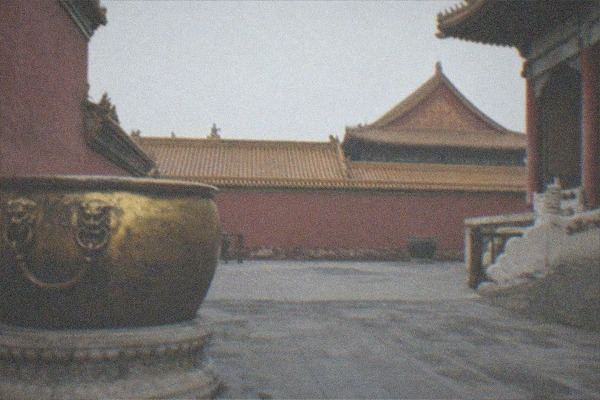
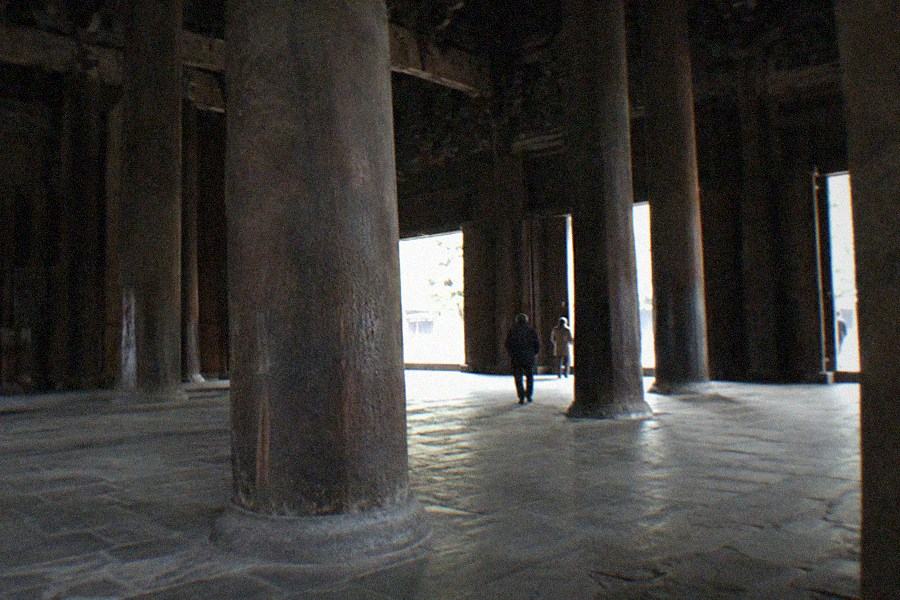
Changling, by contrast, delivers the surface experience. It is the tomb of the Yongle Emperor, the man who moved the capital to Beijing and built the Forbidden City, and its Hall of Eminent Favor is the largest surviving wooden hall in the necropolis. Peak-season door prices run CNY 60 for Dingling and CNY 45 for Changling per the 2025 sources on record, though the combined figure this site renders for the two-tomb route is CNY 60, so treat any single-tomb pricing as something to confirm on the official channel before you travel.
The reservation product above covers the official entry under your own passport details, with a refund if the quota is exhausted. It suits travelers who want the tomb secured before the rest of the day is planned.
Is The Zhoukoudian Peking Man Site Worth The Journey?
Yes, if human origins interest you more than imperial grandeur. Zhoukoudian is the excavated cave system where Peking Man fossils were found, paired with a museum explaining 700,000 years of habitation, and entry is CNY 30 at the door with a reservation window that opens 7 days ahead at 17:00. It is a genuine museum, closed Mondays except national holidays.
The site sits in Fangshan District, about 50 km southwest of central Beijing, which makes it the longest journey of the three trips in this guide. The reward is a story no city museum can match: the caves at Longgushan yielded one of the largest collections of Homo erectus fossils ever found, including skullcaps that became central to the modern understanding of early humans. The original fossils were lost during the Second World War, a loss the museum recounts directly, and the displays today combine casts, later finds, and the caves themselves.
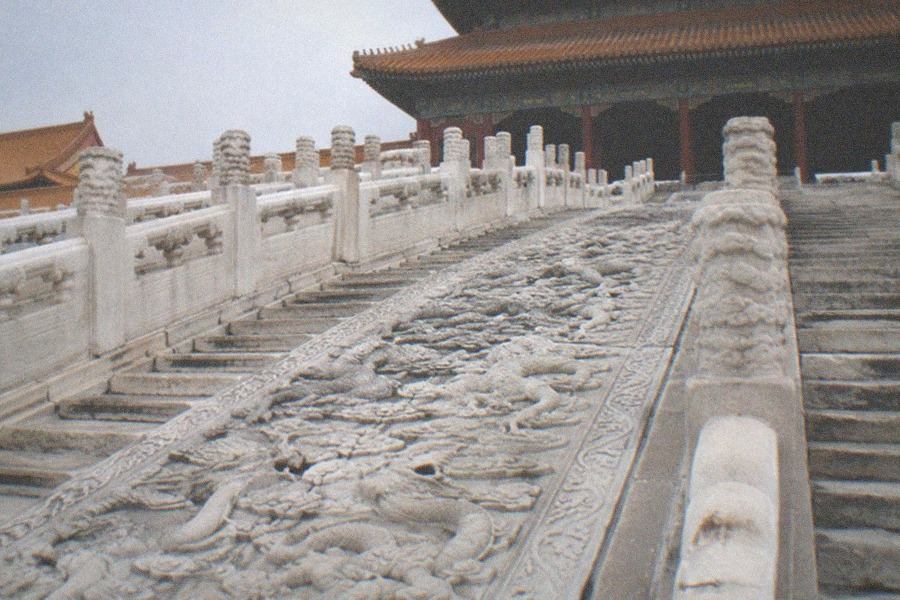
Booking follows the same real-name pattern as everything else in this guide. Reservations open 7 days ahead at 17:00 Beijing time through the official WeChat channel, and the door price is CNY 30. A reservation product exists from $13 for travelers who cannot work the mini-program. The museum's own site publishes the current visitor information at zkd.cn, and the Beijing government maintains a venue page with background at beijing.gov.cn.
For a fuller verdict on the outing, including what the museum halls hold and how the caves are presented, see whether Zhoukoudian is worth it. The honest summary: it is the best day trip on this list for a curious teenager and the weakest for someone who wants photo backdrops.
What Is Inside The Beijing Grand Canal Museum?
The Beijing Grand Canal Museum, the Capital Museum's East branch in Tongzhou, presents the 1,400-year story of the Grand Canal and the city it fed, across large permanent galleries in a purpose-built riverside complex. General admission is free, entry is walk-up with no reservation, and it closes Mondays except national holidays.
This is the easiest ticket in this entire guide. No booking window, no release time, no quota anxiety: you arrive with a passport or ID, pass security, and walk in. The museum opened as the flagship of Tongzhou's cultural district and functions as a second Capital Museum, which means the permanent exhibition carries the same curatorial weight as the original's Beijing history galleries, oriented around the canal instead of the city wall. Everything else covered here is indexed on Beijing Museums.
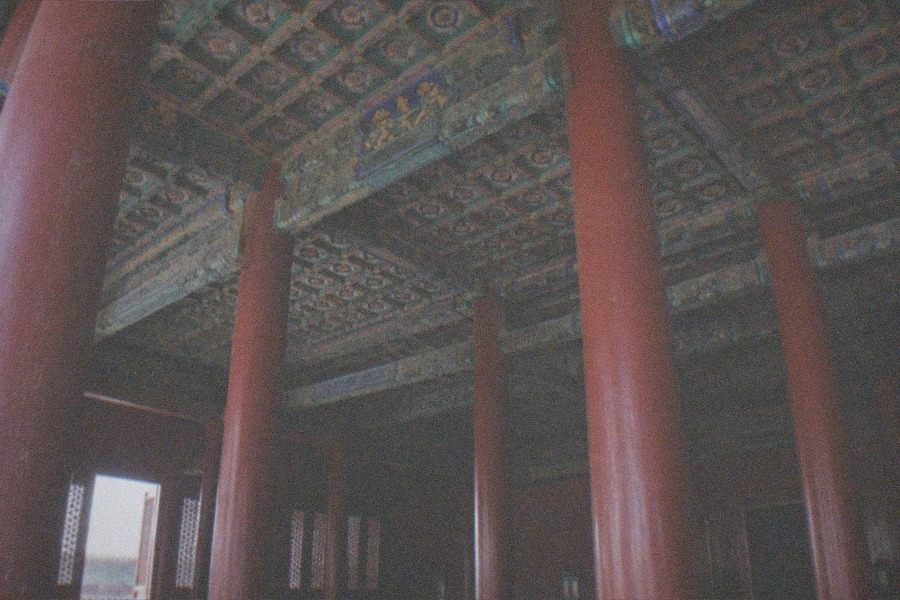
The collection's spine is the canal itself. Galleries trace the waterway from its Sui dynasty origins through its role moving grain to the capital, with models, dredged artifacts, and full-scale boat reconstructions. Because the building sits inside the canal-side park, the visit naturally extends into a waterfront walk, which is why this trip rewards a relaxed half day rather than a rushed one.
For more on the parent institution, which keeps its original building in Xicheng, read inside the Beijing Grand Canal Museum alongside the case for whether the Capital Museum is worth visiting. The two share collections and standards but not neighborhoods, and only the Tongzhou branch needs no reservation at all.
How Do The Booking Windows Compare Across These Day Trips?
The Ming Tombs require an advance reservation with no published release time, Zhoukoudian opens its window 7 days ahead at 17:00, and the Grand Canal Museum needs no reservation at all. For contrast, the Forbidden City opens 7 days ahead at 20:00 and the Summer Palace requires a reservation with no published window, so day trips demand the same calendar discipline as the city's headline sites.
The window, not the price, is what actually blocks visitors in Beijing. Twenty-two of the thirty-one venues this site covers require an advance real-name reservation, and only six take genuine walk-ups. A day trip compounds the risk: if your booking fails, you have already spent two hours on transport. Set a reminder for the release time the evening before your travel day, and have your passport details ready in plain text.
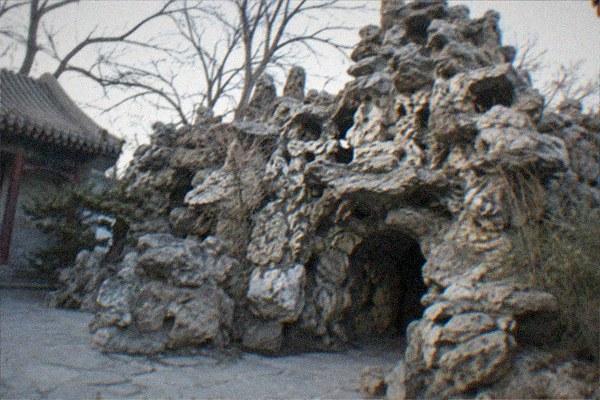
| Venue | Reservation | Window | Release time |
|---|---|---|---|
| Ming Tombs | Required | Not published | Not published |
| Zhoukoudian | Required | 7 days ahead | 17:00 |
| Grand Canal Museum | Not required | Walk-up | n/a |
| Forbidden City | Required | 7 days ahead | 20:00 |
| Summer Palace | Required | Not published | Not published |
Can You Combine Two Of These Museums In One Day?
Realistically, no. The Ming Tombs, Zhoukoudian and the Grand Canal Museum sit in three different directions from the city, so each round trip consumes four to five hours of transport. The only sound combination is the Grand Canal Museum with the Tongzhou waterfront, or the Ming Tombs with a Changping stop, both of which stay inside one district.
The geometry is the problem. Changping is north, Fangshan is southwest, Tongzhou is east. Pairing Zhoukoudian with the Ming Tombs means crossing the whole municipality twice, and the result is a day spent on the subway rather than in front of the things you came to see. Visitors who try it reliably report the same outcome: one site done properly and one site raced.
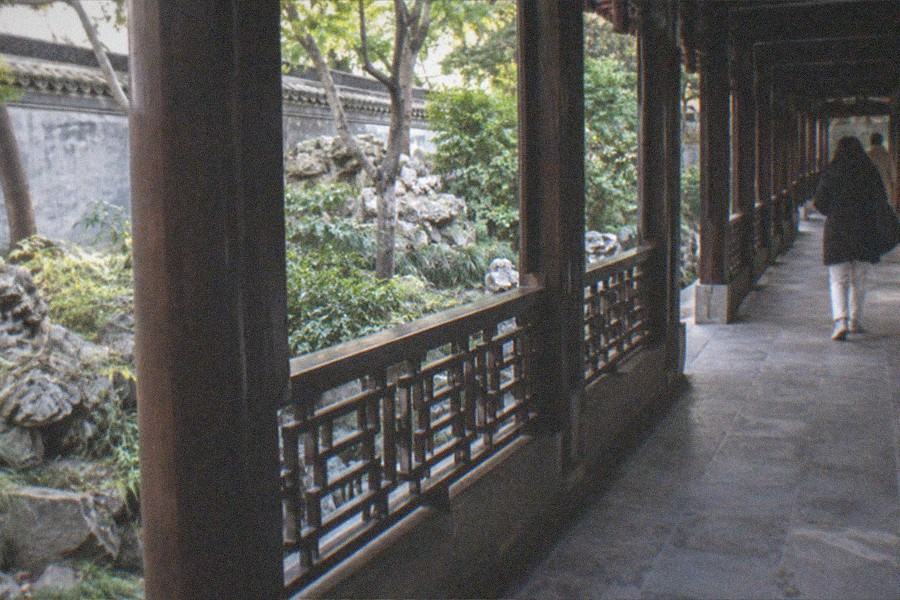
If you have two full days, the strongest pairing is Ming Tombs on one day and Zhoukoudian on the other, keeping the Grand Canal Museum for a lighter morning whenever energy runs low. If you have one day only, choose the Ming Tombs: the reservation product is the most developed, the site has the most depth, and the spirit way alone justifies the fare. Check the Beijing museums map if you want to see the distances laid out before committing.
What Do These Day Trips Cost Next To The Forbidden City?
At the door, the Ming Tombs cost CNY 60, Zhoukoudian CNY 30 and the Grand Canal Museum nothing, against CNY 60 for the Forbidden City. Third-party reservation products run from $20 for the Ming Tombs, $13 for Zhoukoudian, $7 for the Forbidden City and $14 for the Summer Palace. Door prices and product prices are different transactions and are never interchangeable.
The two columns below must never be read as one price. The CNY figure is what you pay at the venue if you book the official channel yourself. The dollar figure is what a reservation service charges for booking that official ticket under your passport details, including its service margin. Comparing them tells you the cost of convenience, nothing else.
| Venue | Door price (CNY) | Reservation product from (USD) | Product rating |
|---|---|---|---|
| Ming Tombs | 60 | $20 | 4.4 from 25 reviews |
| Zhoukoudian | 30 | $13 | not published |
| Grand Canal Museum | free | none exists | n/a |
| Forbidden City | 60 | $7 | 4.5 from 655 reviews |
| Summer Palace | 30 | $14 | 4.7 from 1144 reviews |
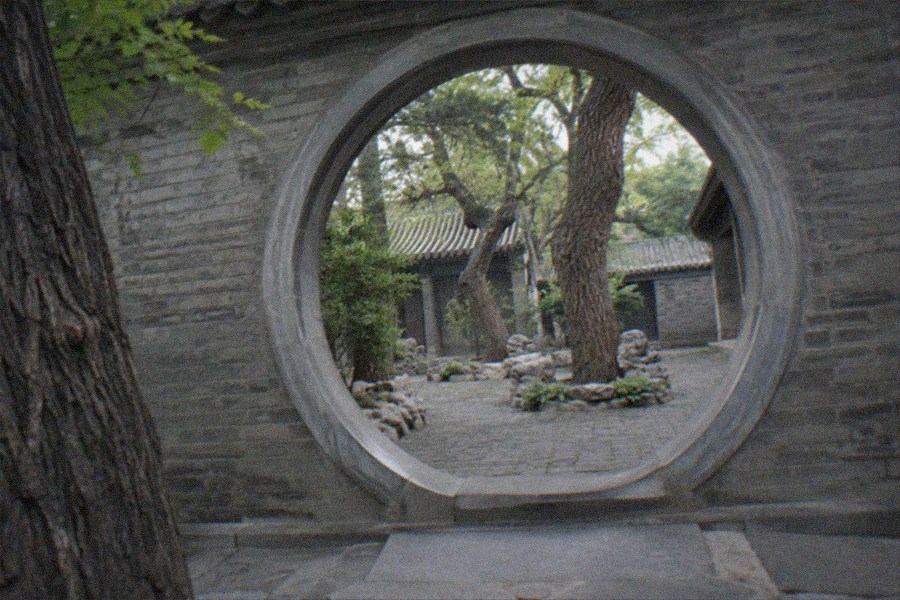
The Summer Palace earns its place in that table because it is the most common add-on to a Ming Tombs day, the classic pairing of tomb and garden that tour routes have run for decades. It is not strictly a museum either, and it deserves the same honesty: the park is the experience, the inner halls such as the Tower of Buddhist Incense are the ticketed museum-like core, and those halls close Mondays except public holidays.
Should You Book Direct Or Use A Reservation Service?
Book direct if you can operate the official WeChat channel comfortably and your dates are flexible; use a reservation service if your window is short, your passport cannot complete the mini-program, or the date is fixed around flights. The Palace Museum itself states it has authorized no third-party agents, and any service you use is booking the official ticket on your behalf, refundable if the quota sells out first.
Both halves of that sentence belong together. The museum's warning is published on its official site: dpm.org.cn states the Palace Museum "has not authorized any third-party institutions or individuals to act as ticket agents", and it sells no same-day tickets at all. The reservation products this site links do not claim otherwise. They describe themselves as booking services: you provide passport details, they make the real-name reservation inside the official release window, and the order is canceled and refunded if the official quota is exhausted once sales open.
That structure means the honest comparison is not official versus unofficial but self-booked versus booked-for-you. The service fee buys someone watching the 20:00 release for the Forbidden City, or handling a Changping mini-program that may not accept a foreign passport cleanly. What it cannot buy is guaranteed entry, because nobody holds inventory outside the official quota.
For free museums the calculus flips entirely. The National Museum of China is free but demands a real-name reservation 7 days ahead at 17:00, and its own channel is the primary route; a paid product exists from $4.58 as a booking convenience. The Grand Canal Museum asks nothing of anyone. Match the booking effort to the venue, not the other way round.
Which Of These Museums Can You Visit On A Monday?
None of the three reliably. Zhoukoudian closes Mondays except national holidays, the Grand Canal Museum closes Mondays except national holidays, and the Ming Tombs' closed day is not published, which means you must confirm before traveling. Monday is the standard closure day across Chinese national and municipal museums, and planning a Monday around a closed site is the costliest mistake in Beijing trip planning.
The unpublished case deserves a plain warning. Where a venue's closed day is not on the record, the safe assumption is Monday, because that is the near-universal rule across the system. Confirm on the official channel the day before, or build a Monday alternative from the start.
| Venue | Closed day | Exception |
|---|---|---|
| Ming Tombs | Not published | Confirm before travel |
| Zhoukoudian | Monday | Except national holidays |
| Grand Canal Museum | Monday | Except national holidays |
| Forbidden City | Monday | Except statutory holidays |
| Summer Palace (inner halls) | Monday | Except public holidays |
Statutory holiday weeks rewrite the whole calendar. During Chinese national holidays, Monday closures lift across most of the system and demand rises sharply, which is the one period when booking a week ahead is not paranoia but the minimum. Outside those weeks, the museums open on Monday guide lists the venues that break the rule, including a few walk-up options that rescue a Monday entirely.
Common Questions About Beijing Museum Day Trips
Which museum day trips from Beijing are actually worth the travel time?
The Ming Tombs in Changping, the Zhoukoudian Peking Man site in Fangshan, and the Beijing Grand Canal Museum in Tongzhou. Each sits roughly 40 to 60 km from the center, each justifies most of a day, and together they cover imperial history, human origins and canal history.
How do you get to the Ming Tombs and book entry?
Take the Changping Line to Ming Tombs station, then a taxi or bus to the Dingling and Changling entrances. Entry requires an advance real-name reservation, and the door price is CNY 60 for the tomb areas covered on this route.
Is the Zhoukoudian Peking Man site worth the journey?
Yes, for anyone interested in human origins. Entry is CNY 30, reservations open 7 days ahead at 17:00, and the site pairs excavated caves with a museum covering 700,000 years of habitation. It closes Mondays except national holidays.
What is inside the Beijing Grand Canal Museum?
Large permanent galleries on the Grand Canal and the city it fed, inside a purpose-built riverside complex in Tongzhou. General admission is free, entry is walk-up with no reservation, and it closes Mondays except national holidays.
Can you combine two of these museums in one day?
Not sensibly. The three sites sit in three different directions from the city, so each round trip consumes four to five hours. Combine the Grand Canal Museum with the Tongzhou waterfront, or the Ming Tombs with a Changping stop, and give the others their own days.
Which of these museums can you visit on a Monday?
None reliably. Zhoukoudian and the Grand Canal Museum close Mondays except national holidays, and the Ming Tombs' closed day is not published. Treat Monday as closed for all three and confirm on the official channel before traveling.