A Three-Day Beijing Museum Itinerary That Respects The Monday Closures
Beijing's museums punish improvisation. Twenty-two of the thirty-one major venues require an advance real-name reservation, most national museums shut on Mondays, and the booking windows open at fixed evening hours. This itinerary sequences the city so the closures and the release times work for you instead of against you.
Short answer
Spend day one on the Palace Museum and the National Museum of China, day two at the Summer Palace, and day three at the Lama Temple and Confucius Temple. Reserve the Palace Museum seven days ahead at 20:00, the National Museum seven days ahead at 17:00, and avoid building any Monday around a closed national museum.
A Three-Day Beijing Museum Itinerary That Respects The Monday Closures
Beijing runs its museums on a reservation system that most English-language guides still describe as if walk-up entry were the norm. Of the thirty-one major venues this site tracks, twenty-two require an advance real-name booking and only six take genuine walk-ups. The Palace Museum releases its slots seven days ahead at 20:00 Beijing time; the National Museum of China releases at 17:00 the same evening; Prince Gong's Mansion opens its window a full ten days out. Free admission almost never means you can simply walk in.
The Monday closure is the other trap. Chinese national and municipal museums close on Mondays as a near-universal rule, with holidays as the exception. A traveler who plans a Monday around the Forbidden City or the National Museum loses a day, and this is the most expensive planning mistake the city can inflict on you. The itinerary below is built so that no day depends on a museum that will be shut.
It also respects a fact that almost nobody writing in English states plainly: the Palace Museum says in writing on its official site that it "has not authorized any third-party institutions or individuals to act as ticket agents," and it sells no same-day tickets at all. The third-party booking products that exist are reservation services. You supply passport details, they book the official ticket on your behalf, and the order is refunded if the official quota sells out first. Both facts belong together, and this guide keeps them together throughout.
Why Does A Beijing Museum Itinerary Have To Be Built Around Mondays?
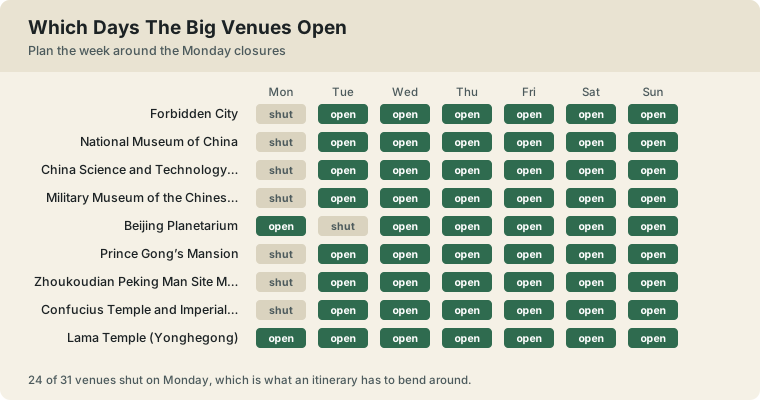
Monday is the universal closed day for Beijing's national and municipal museums, and it does not bend for convenience. The Palace Museum, the National Museum of China, the National Art Museum, the Science and Technology Museum and the Military Museum all shut on Mondays except statutory holidays, so any three-day plan that puts a museum-heavy Monday first will collapse before lunch. The workaround is to know which venues ignore the rule, and there are only a handful.
The pattern is consistent enough to plan around. The Palace Museum is closed Monday except statutory holidays. The National Museum of China, closed Monday except statutory holidays. The National Art Museum of China, the same. The Capital Museum is the notable deviation: it closes on Tuesdays, an adjustment in place for the 2026 season, which makes it one of the few major venues genuinely open on a Monday. The Beijing Ancient Observatory and the Beijing Planetarium close on Tuesdays instead, which gives you a second cluster of Monday-safe options on the science side.
A few venues never close on a weekly schedule at all. The Lama Temple's closed day is not published, and the Summer Palace's park grounds stay open daily, though its inner halls such as the Tower of Buddhist Incense close on Mondays except public holidays. That distinction, park open versus halls closed, matters more than most guidebooks admit, and it is why day two of this itinerary uses the Summer Palace's gardens as the anchor rather than its interiors.
The practical rule: build Monday around the observatory, the Planetarium, the Capital Museum or the city's parks, and keep the heavy museum days for the other days of the week. The full breakdown of which venues stay open lives in the guide to Beijing museums open on Monday, which is worth reading before you lock in dates.
Day One: The Palace Museum, Jingshan, And The Imperial Core
Day one belongs to the Forbidden City, booked seven days ahead at 20:00 Beijing time, entered with the passport you booked under, and followed by the short climb up Jingshan Park for the panorama over the roofs. The Palace Museum charges CNY 60 at the door, sells no same-day tickets, and closes on Mondays, so this day must land on any day but Monday. Budget four to five hours inside.
The Palace Museum is the single most reservation-constrained attraction in the city. Tickets are sold only through the official WeChat mini-program or the official website, booking opens seven days ahead at 20:00 Beijing time, and there is no on-site ticket sales and no passport counter as a fallback. The quota is capped and popular dates sell out, particularly in peak season from April through October when the door price is CNY 60. Foreign visitors can book online themselves using a passport, and the museum's own visit pages walk through the real-name rules in detail.
The museum's warning about third parties deserves its own paragraph, because it is the piece of context that almost no English guide includes. The Palace Museum states that it has not authorized any third-party institutions or individuals to act as ticket agents, and it tells visitors to buy only through its official channels. The booking products sold on third-party marketplaces are not resold inventory: they are reservation services that take your passport details, book the official ticket through the official channel when the window opens, and refund you if the official quota sells out before your order is filled. That is a real service with a real risk profile, and it is a legitimate option for travelers who cannot be awake at 20:00 Beijing time or cannot work the WeChat mini-program. It is not a discount and not a shortcut around the cap.
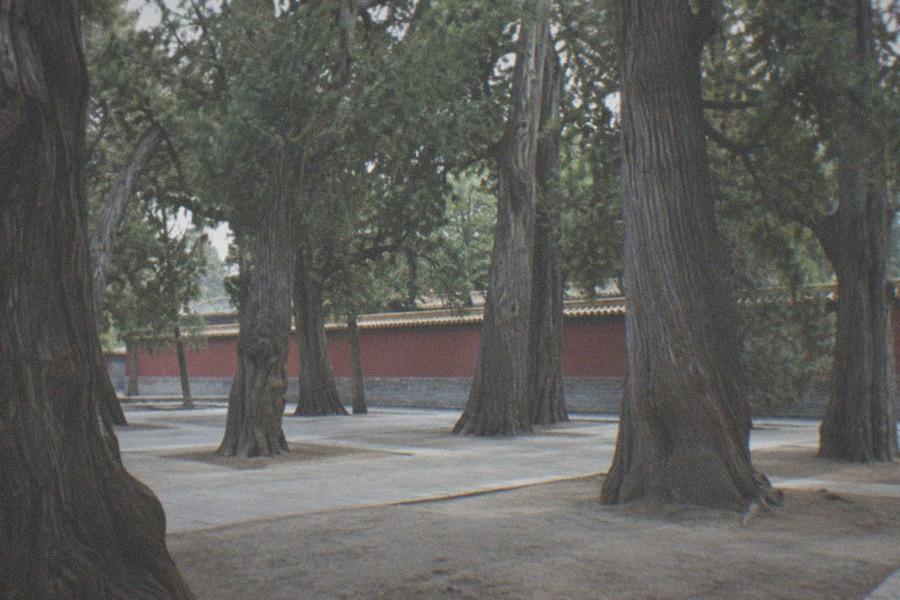
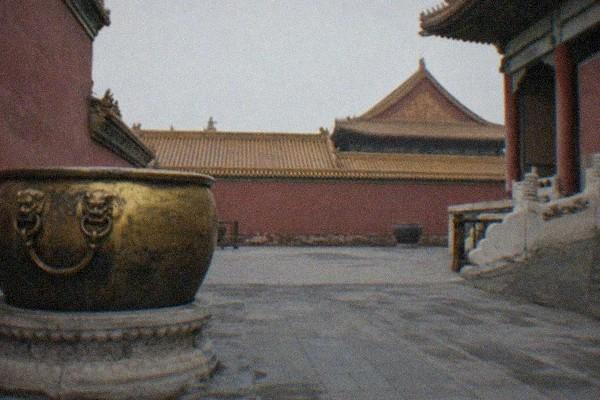
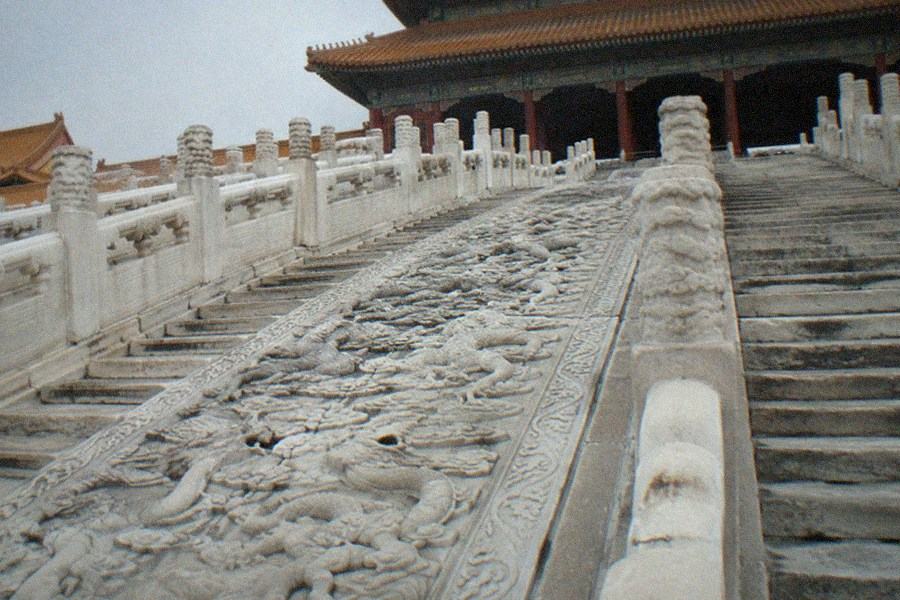
If you book the official ticket yourself, set an alarm for 20:00 exactly. Slots for weekends and holidays can go within minutes, while midweek dates often last longer. Enter at the Meridian Gate from Tiananmen Square, walk the north-south axis, and exit through the north gate into Jingshan Park, where a CNY 2 entry buys the classic view over the golden roofs. For planning how long the interior actually takes, the piece on how much time you need in the Forbidden City breaks the route down hour by hour, and the question of whether the Treasure Gallery needs its own separate ticket is answered plainly: it is a paid add-on inside the complex, priced separately from general admission.
The afternoon of day one should stay close. The National Museum of China sits directly across the square, and the Confucius Temple and Imperial College Museum is a short ride north, though it belongs better on day three. If your legs are done, the evening is better spent resting than adding a fourth site; day one of this itinerary is deliberately the heaviest walking day of the three.
Day One Afternoon: The National Museum Of China
The National Museum of China is free but strictly reserved: booking opens seven days ahead at 17:00, foreign passports work in the official channels, and there is no reliable walk-up fallback. It closes on Mondays except statutory holidays, so it pairs naturally with the morning at the Palace Museum on the same non-Monday day. Allow three hours for the ancient China galleries alone.
Free admission with a mandatory real-name reservation is the combination that catches out most visitors. The museum's own reservation page is the authority on the window, and the pattern holds: seven days ahead, 17:00 Beijing time, one booking per ID per day. Because entry is free, the only thing being allocated is the time slot, and demand for those slots is fierce on weekends and holidays. A third-party reservation product exists for this museum too, from $4.58, for travelers who would rather hand the booking to someone who can be online at 17:00 Beijing time.
The museum is enormous, and trying to see all of it in one afternoon is a mistake. The two permanent galleries most foreign visitors come for are the ancient China sequence, which runs the full sweep from Neolithic bronzes through the Qing, and the modern history galleries on the upper floors. Pick one and go deep. The building itself, on the east side of Tiananmen Square, is worth ten minutes of looking up regardless of what you see inside.
One logistics note that saves people every day: security lines around Tiananmen Square are long and ID checks are strict, so carry your passport physically rather than a photo of it. The same document you booked under is the one that gets you through both the square checkpoints and the museum entrance. If the National Museum's slots are gone for your dates, the history museums in Beijing guide lists alternatives that carry the same weight, including the Capital Museum and the Military Museum.
Day Two: The Summer Palace And The Haidian Cluster
Day two goes west to the Summer Palace, which is not strictly a museum but Beijing's most complete imperial landscape, with a CNY 30 door price, a required reservation, and inner halls that close on Mondays except public holidays. Pair it with the Old Summer Palace ruins nearby, at CNY 10, for a day that contrasts the preserved palace with the destroyed one. Reserve both before you leave central Beijing.
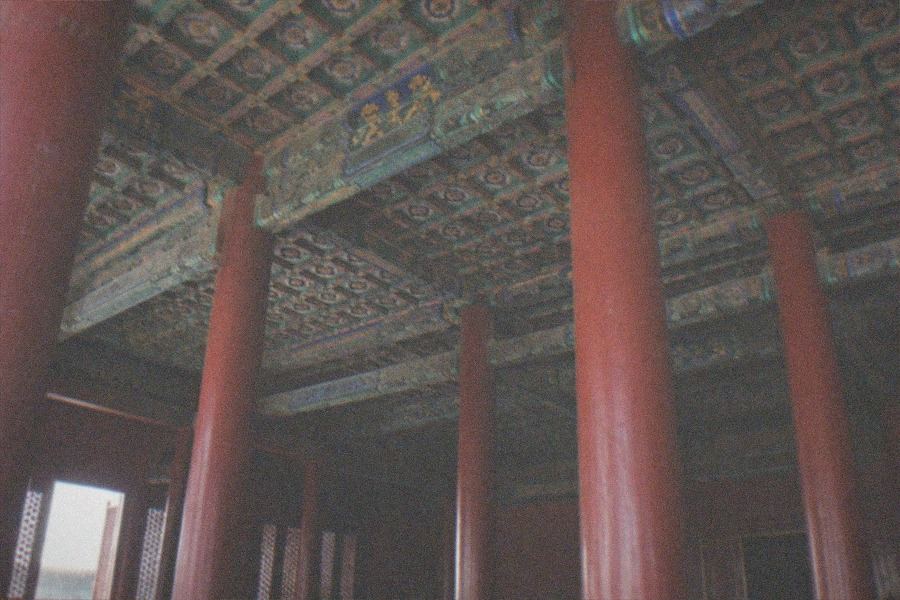
Say it plainly: the Summer Palace is an imperial garden and palace complex, not a museum, and it earns its day anyway. The Kunming Lake circuit, the Long Corridor and the climb to the Tower of Buddhist Incense take a full half day at an unhurried pace. The reservation is mandatory, the booking window is not published, and the door price is CNY 30, so book early rather than assuming a window will appear. Inner halls such as the Tower of Buddhist Incense close on Mondays except public holidays, while the park grounds stay open daily, which means a Monday visit gives you the gardens but not the interiors.
The Old Summer Palace, Yuanmingyuan, is the natural second stop and the more somber one. The door price is CNY 10, entry requires a reservation, and the site is the ruined shell of the palace complex looted and burned in the nineteenth century, left deliberately unrestored as a memorial. Walking between the two in one afternoon is one of the more coherent history lessons the city offers: the palace that survived and the palace that did not, separated by a short taxi ride. The blog piece on what is left to see at the Old Summer Palace covers which ruins are actually visible.
If your third day falls on a Monday, swap this day forward: the Summer Palace's gardens work on a Monday, the Lama Temple does not publish a closed day but should not be gambled on, and the Confucius Temple closes on Mondays. The safest structure is imperial gardens on the Monday, museums on the other two days. For travelers with children, the Beijing museums with kids guide rates the Science and Technology Museum and the Natural History Museum as the two that hold attention longest.
Day Two Alternative: A Science Day For Families
Families may prefer to trade the Summer Palace for the China Science and Technology Museum, which charges CNY 30 at the door, releases bookings seven days ahead at 18:00, and closes on Mondays except statutory holidays. The National Natural History Museum is the free companion piece, with a shorter three-day booking window opening at 11:00. Both take passport reservations.
The Science and Technology Museum in Chaoyang is the city's most hands-on venue, with a main hall spread over four themed floors and a separate children's science paradise ticketed by session for ages three to eight. The main hall and the children's area are priced and ticketed separately, and the theaters, dome, giant screen and 4D, are separate again, so a family day here involves real ticketing decisions rather than one flat entry. Booking opens seven days ahead at 18:00 and the presale is quota-limited, first come first served.
The National Natural History Museum of China is the free counterpart, near the Temple of Heaven, and its dinosaur galleries are the draw for most visiting children. Admission to the permanent exhibitions is free, a reservation is mandatory, and the window is short: three days ahead, with slots updating at 11:00 daily. That three-day window means you cannot book it before you leave home; you book it from your hotel, mid-trip. Some temporary exhibitions charge separately.
| Venue | Door price | Booking window | Closed |
|---|---|---|---|
| China Science and Technology Museum | CNY 30 | 7 days ahead at 18:00 | Monday (except statutory holidays) |
| National Natural History Museum | Free | 3 days ahead at 11:00 | Monday (except statutory holidays) |
| Beijing Planetarium | varies by show | 5 days ahead | Tuesday (except holidays) |
| Summer Palace | CNY 30 | Required, window not published | Inner halls Monday; park daily |
The Planetarium closes on Tuesdays, not Mondays, which makes it a Monday-safe swap if the weather or the calendar forces a shuffle. Its theaters are the paid product and its exhibition hall is the cheap one, and booking opens five days ahead. The Beijing Planetarium show ticket post explains which shows are worth the theater price.
Day Three: The Lama Temple, Confucius Temple, And Prince Gong's Mansion
Day three strings together the Dongcheng and Xicheng imperial sites: the Lama Temple at CNY 25 with a seven-day reservation window, the Confucius Temple and Imperial College at CNY 30 with a one-day window, and Prince Gong's Mansion at CNY 40 with a ten-day window opening at 20:00. None of the three is a conventional museum, and the Confucius Temple closes on Mondays, so again, not a Monday day.
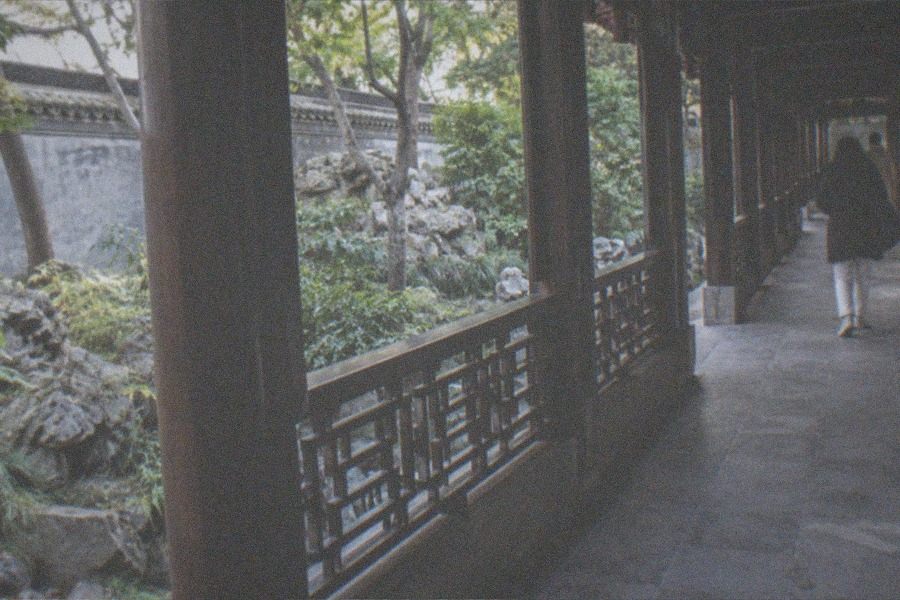
The Lama Temple, Yonghegong, is a working Tibetan Buddhist temple rather than a museum, and it should be described that way. It charges CNY 25 at the door, requires a reservation that opens seven days ahead, and its closed day is not published, so treat it as open daily but confirm before building a tight schedule around it. The complex is compact and intense: incense courts, the 18-meter Maitreya Buddha carved from a single sandalwood trunk, and a devotional atmosphere that survives the crowds. Morning is quieter, and the temple sits two subway stops from the Confucius Temple, which makes the pairing effortless.
The Confucius Temple and Imperial College Museum, Guozijian, is the scholarly counterweight: a Confucian temple and the imperial academy where the empire's highest examinations were held. Entry is CNY 30, the reservation window is short at one day ahead, and it closes on Mondays except public holidays, a closure restored in September 2025 after a period of adjustment. The stone stele forest of imperial examination graduates is the detail most visitors miss, and the whole site takes ninety unhurried minutes.
Prince Gong's Mansion, in Xicheng behind the lakes, is the most reservation-hungry of the three: the window opens ten days ahead at 20:00, the earliest of any venue in this itinerary, and the door price is CNY 40. It is the best-preserved Qing princely residence in Beijing and the setting most Chinese visitors associate with the official Heshen, the most corrupt official of the Qianlong era. The Prince Gong's Mansion worth-visiting question is answered in depth elsewhere on this site; the short version is that the residence and garden justify the ticket if the reservation is secured.
The Reservation Windows, In One Place
Every venue in this itinerary has a fixed booking window and a fixed release time, and knowing both is the difference between a plan and a wish. The Palace Museum opens seven days ahead at 20:00, the National Museum seven days at 17:00, the Science and Technology Museum seven days at 18:00, and Prince Gong's Mansion ten days at 20:00. The table below is the itinerary's operating manual.
| Venue | Door price (CNY) | Window opens | Release time | Closed |
|---|---|---|---|---|
| Palace Museum | 60 | 7 days ahead | 20:00 | Monday (except statutory holidays) |
| National Museum of China | Free | 7 days ahead | 17:00 | Monday (except statutory holidays) |
| Summer Palace | 30 | Required, window unpublished | not published | Inner halls Monday |
| Lama Temple | 25 | 7 days ahead | not published | not published |
| Confucius Temple and Imperial College | 30 | 1 day ahead | not published | Monday (except public holidays) |
| Prince Gong's Mansion | 40 | 10 days ahead | 20:00 | Monday (except public holidays) |
| Old Summer Palace | 10 | Required, window unpublished | not published | not published |
Two patterns are worth naming. First, the release times cluster in the evening, Beijing time, which for a European traveler is late afternoon and for a North American traveler is the middle of the working day. That is precisely why the reservation-service products exist and why they fill a real gap rather than a fake one. Second, the shortest windows, one day for the Confucius Temple, three days for the Natural History Museum, cannot be booked before you travel, so build a reminder into your trip rather than your pre-trip checklist.
The Beijing government's own English museum pages are the primary source for the Palace Museum's rules, and the museum's own site should be treated as authoritative over any guide, including this one, when details shift. For the mechanics of each channel, the site's how to book Beijing museum tickets guide walks through the WeChat mini-programs step by step.
Free Museums And The Walk-Up Exceptions
Six of the thirty-one major venues take genuine walk-ups, and the rest require a booking even when entry is free. The Capital Museum is free with walk-up entry, the National Art Museum is free but reserved seven days at 16:00, and the war museum by Marco Polo Bridge is free with walk-up entry. Free never means spontaneous in Beijing, with exactly a few exceptions.
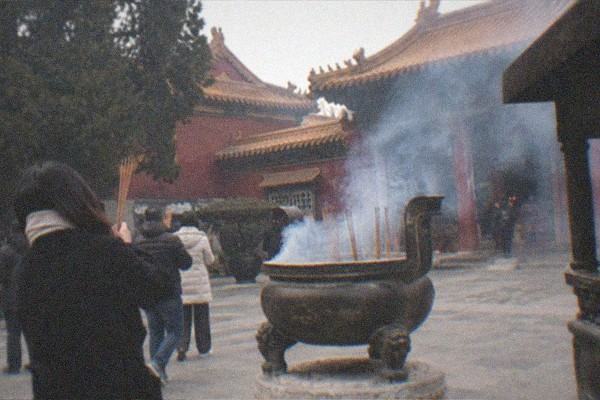
The Capital Museum is the itinerary's safety valve. Entry is free, no reservation is required, valid ID gets you through, and it closes on Tuesdays, which makes it the one heavyweight museum you can genuinely visit on a Monday. Its Beijing history galleries are among the best in the city, and the museum's own visit page carries the current hours and closure schedule. If your itinerary gets wrecked by a Monday you did not plan for, send that Monday here.
The National Art Museum of China is the opposite case: free, but reserved, with the window opening seven days ahead at 16:00 and a daily visitor limit. The China National Film Museum is free with a required reservation whose window is not published. The Museum of the War of Chinese People's Resistance Against Japanese Aggression, out at Wanping near Marco Polo Bridge, is free with walk-up entry, and the Grand Canal Museum in Tongzhou is free with walk-up entry as well, though both are half-day trips from the center. The free museums in Beijing guide covers the full list with current booking requirements.
| Venue | Entry | Reservation | Closed |
|---|---|---|---|
| Capital Museum | Free | Walk-up with ID | Tuesday |
| National Art Museum of China | Free | 7 days ahead at 16:00 | Monday (except statutory holidays) |
| China National Film Museum | Free | Required, window unpublished | Monday (except holidays) |
| War museum, Wanping | Free | Walk-up | Monday (except holidays and commemorative days) |
| Beijing Grand Canal Museum | Free | Walk-up | Monday (except national holidays) |
Bad Weather Days And The Indoor Swaps
Rain or a dust storm does not have to cost you a day, because several of the city's densest indoor venues are also its least weather-dependent: the Geological Museum at CNY 15, the Paleozoological Museum at CNY 20, the Poly Art Museum at CNY 20, and the Railway Museum's Dongjiao hall at CNY 20. All close on Mondays except Poly, which closes Sundays, and none requires more than a short reservation.
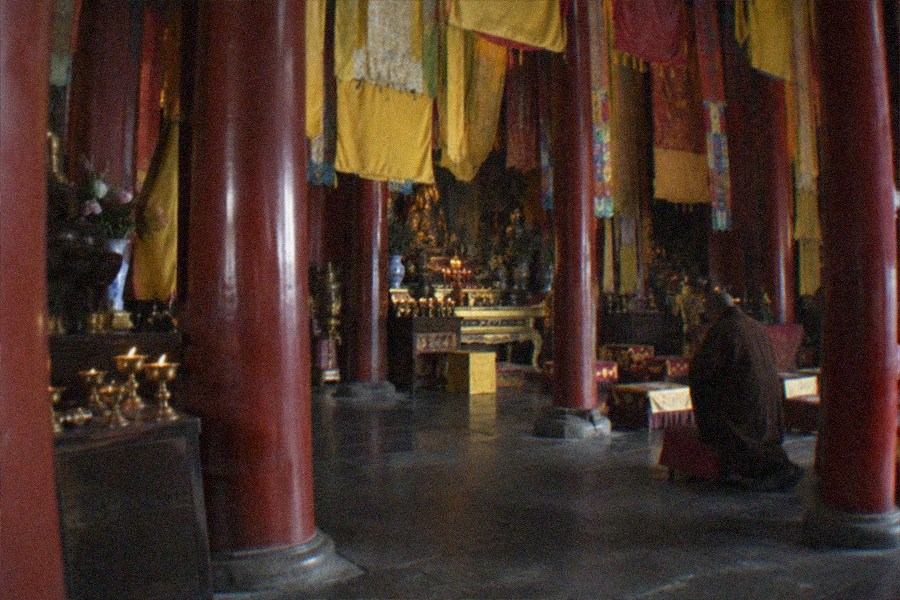
The Geological Museum of China, near Xisi, packs minerals, gems and dinosaur-age fossils into a compact building with a CNY 15 door price and a seven-day reservation window. Its official channel is reported as unreachable outside mainland China, which is worth knowing before you rely on booking it from abroad. The Paleozoological Museum, a short walk away, is the fossil specialist, CNY 20 with a six-day window, closed Mondays without a holiday exception. The indoor Beijing for cold and rainy days guide ranks these and the rest for exactly this contingency.
Two further options round out the swap bench. The Poly Art Museum, on the ninth and tenth floors of New Poly Plaza, holds one of the strongest private collections of ancient bronzes in the country, including the recovered Yuanmingyuan zodiac animal heads, at CNY 20 with a one-day reservation; it closes on Sundays and statutory holidays, the reverse of almost everything else in the city. The China Railway Museum's Dongjiao exhibition hall, with its locomotive shed, is CNY 20 and closes Mondays except statutory holidays.
Common Questions About A Three-Day Beijing Museum Itinerary
Can you do the Forbidden City and the National Museum in one day?
Yes, and this itinerary does exactly that. The two sit on opposite sides of Tiananmen Square. Book the Palace Museum for a morning slot, spend four to five hours inside, exit north to Jingshan if you have energy, then take the short walk to the National Museum for its afternoon hours. Reserve both seven days ahead, at 20:00 and 17:00 respectively.
Which Beijing museums are open on Monday?
The Capital Museum, the Beijing Ancient Observatory, the Beijing Planetarium and the Red Brick Art Museum are the main ones, along with the park grounds of the Summer Palace. Nearly every national museum closes on Monday except statutory holidays, so treat Monday as the day for these exceptions rather than for the big names.
How far ahead should I book Beijing museums?
Prince Gong's Mansion opens ten days ahead at 20:00, the Palace Museum and the National Museum seven days ahead, the Science and Technology Museum seven days at 18:00, and the Natural History Museum only three days at 11:00. Book the long-window venues before you travel and the short-window ones from your hotel.
Do I need a Chinese phone number to book?
Not for the venues in this itinerary. The Palace Museum and the National Museum both accept foreign passports in their official booking channels, and the major parks' reservation accounts support passports too. Some third-party platforms require Chinese verification, which is one reason the reservation-service products exist.
Is three days enough for Beijing's museums?
Three days covers the core well: the imperial sites, the two great free nationals, and one specialist cluster of your choosing. It does not cover the day-trip venues such as Zhoukoudian or the Ming Tombs, which each need a full day outside the center. Add a fourth day if those are priorities.
What happens if a museum's quota sells out?
For official bookings you lose the slot. For third-party reservation services the standard terms refund you if the official quota sells out before your order is filled, which is the main risk you are paying them to absorb. Book the Palace Museum the moment its window opens at 20:00, seven days out, especially for weekend dates.
The three days above assume the calendar cooperates, but the structure is what matters: imperial core on a non-Monday, gardens on the west, temple cluster on the north, and the Monday-safe exceptions held in reserve. Beijing Museums exists because the reservation system, not the museums, is the hard part, and every window and closed day in this itinerary comes from the venues' own published rules.