What Is Inside The New Beijing Grand Canal Museum?
The Beijing Grand Canal Museum in Tongzhou is free, needs no reservation, and holds canal history exhibitions inside a striking new building. Here is what to expect inside.
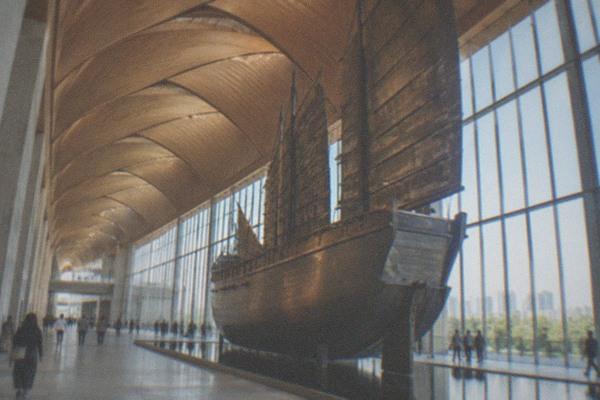
The Beijing Grand Canal Museum sits in the Tongzhou district at the eastern end of the city, and it is one of the few major museums in the capital where the answer to "can I get in?" is a simple yes. Entry is free, no advance reservation is needed, and you walk up with your ID. That combination is rare enough in this city to be worth planning a trip around, because most of the big names work the opposite way: free or cheap, but gated behind a booking window that opens days ahead at a fixed hour and sells out on popular dates.
The museum is also new. It opened as part of the cultural cluster built up around Tongzhou, the district that now serves as Beijing's sub-center, and it operates as the Capital Museum's east branch. That family connection matters for what is inside: this is not a small satellite hall but a full-scale museum with permanent exhibitions drawn from the same institutional depth as the downtown parent. For anyone who has already spent a day at the Capital Museum on Fuxingmenwai Street, the Grand Canal Museum is the natural next stop, and for anyone based in the city center it makes an easy half-day trip out on the metro.
What Is Inside The New Beijing Grand Canal Museum?
Inside, the Beijing Grand Canal Museum holds permanent exhibitions on the history of the Grand Canal, Beijing's own growth as a canal terminus, and the archaeology and material culture recovered along the waterway, presented in a large purpose-built complex in Tongzhou. Entry is free, walk-up, and no reservation is required, and the museum closes on Mondays except national holidays.
The Grand Canal is the thread the whole museum hangs on. It ran from Hangzhou in the south to Beijing in the north, and for centuries it moved grain, salt, timber and tax revenue into the capital. Beijing exists at the scale it does largely because the canal made it possible to feed a capital city that sat far from the rice paddies that supplied it. The exhibitions trace that story from the first canal cuts of the Sui dynasty through the Yuan dynasty rerouting that made Beijing the northern head of the waterway, and on into the modern era.
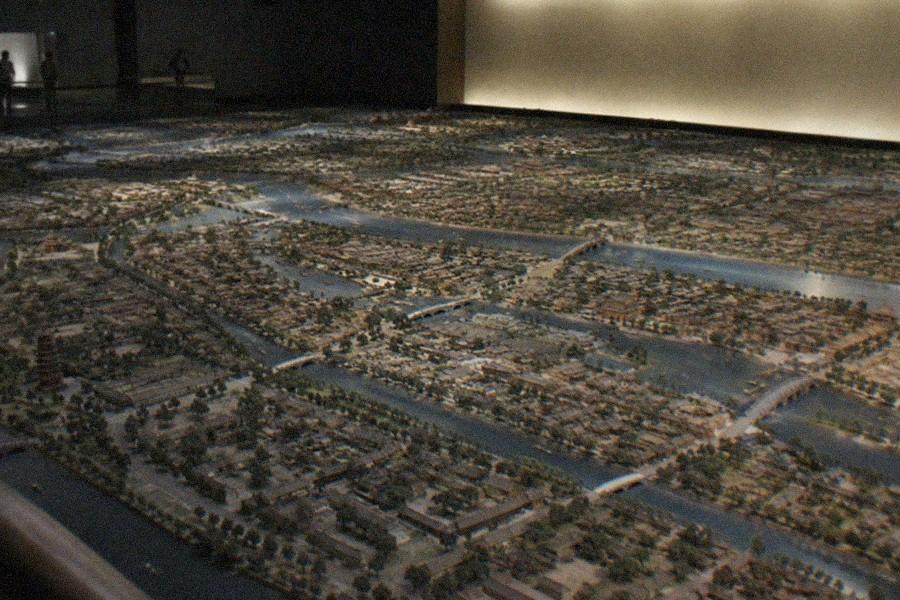
The building itself is part of the exhibit experience. The complex was designed with the canal as its organizing idea, with forms that echo the water, the boats and the warehouse architecture that lined the historic route. Visitors move through large gallery halls rather than cramped corridors, which matters if you are coming with children or with anyone who tires of dense display cases after an hour. The galleries hold scale models of canal locks and boats, recovered artifacts, and multimedia reconstructions of canal life, the kind of mix that makes a transport-history subject legible to people who arrive knowing nothing about it.
One point worth being clear about: this museum has no affiliate ticket product, and it does not need one. There is nothing to buy. The trio below covers three other Beijing museums where a booking service genuinely helps, because those venues either charge admission or sit behind a reservation system that opens on a schedule.
If your Tongzhou trip leaves you with more museum appetite than one building can absorb, the rest of Beijing's history museums are within reach on the same metro system, and the reservation logistics there are a different animal entirely.
Where Is The Museum, And How Do You Actually Get In?
The Beijing Grand Canal Museum stands in Tongzhou, the district east of central Beijing, as part of the new cultural cluster around the sub-center. Admission is free, no reservation is required, and entry works as a walk-up with valid ID. The museum closes on Mondays, except national holidays, so plan any visit around that.
Tongzhou sits at the far eastern side of the city, and the museum is a day-trip distance from central Beijing rather than a casual stop between two other sights. Budget the travel time honestly: you are heading out to the edge of the municipality, and the reward for the ride is a museum you can enter without competing for a timed slot. Among the 31 major venues this site tracks, only six take genuine walk-ups, and the Grand Canal Museum is one of them. That makes it one of the most forgiving museums in the capital for spontaneous plans.
The walk-up policy also removes the single biggest friction foreign visitors hit elsewhere. At venues that require real-name reservations, the booking usually runs through a WeChat mini-program, and travelers without a Chinese mobile number or a linked payment method can find themselves locked out of a system that a local books in thirty seconds. None of that applies here. You arrive, you show your passport or ID at the entrance, and you walk in. The Beijing municipal government's English-language museum pages track closures and policy changes across the city's museums, and they are the right place to confirm details before a long ride out: the official Beijing museums listing.
The one planning trap is the closed day. Like most museums in the capital, the Grand Canal Museum closes on Mondays, with the usual exception for national holidays. A Monday built around this museum is a wasted ride across the whole city, and Monday is the default closure day for Chinese national and municipal museums almost everywhere, so a Monday museum day in Tongzhou fails twice over. The site's guide to Beijing museums that stay open on Mondays lists the exceptions if your itinerary leaves you with a free Monday.
Because the museum is free and unreserved, there is no ticket to buy and nothing to compare against a door price. That is unusual on this site, where the norm is a CNY door price on one side and a third-party booking product on the other. For readers who like the idea of a museum day with zero booking logistics, the free walk-up venues are the whole shortlist:
| Museum | District | Entry | Reservation | Closed day |
|---|---|---|---|---|
| Beijing Grand Canal Museum | Tongzhou | Free | Walk-up, none needed | Monday (except national holidays) |
| Capital Museum | Xicheng | Free | Walk-up, none needed | Tuesday |
| Museum of the War of Chinese People's Resistance Against Japanese Aggression | Fengtai | Free | Walk-up, none needed | Monday (except holidays and commemorative days) |
The contrast with the rest of the list of 31 is stark. Twenty-two venues require an advance real-name reservation, and at several of them the booking window opens at a specific hour on a specific evening and the popular dates are gone within minutes. The Grand Canal Museum asks for none of your evening attention.
What Are The Permanent Exhibitions About?
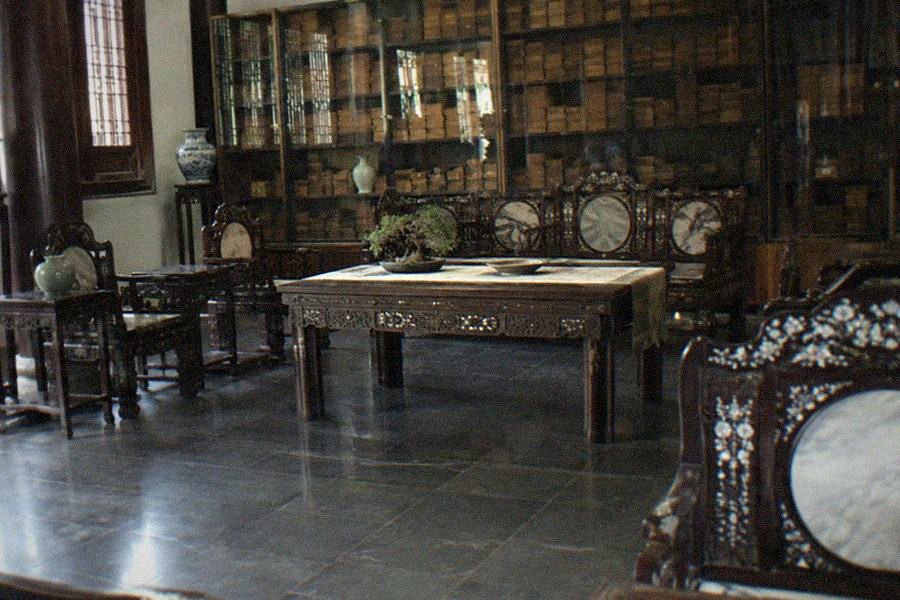
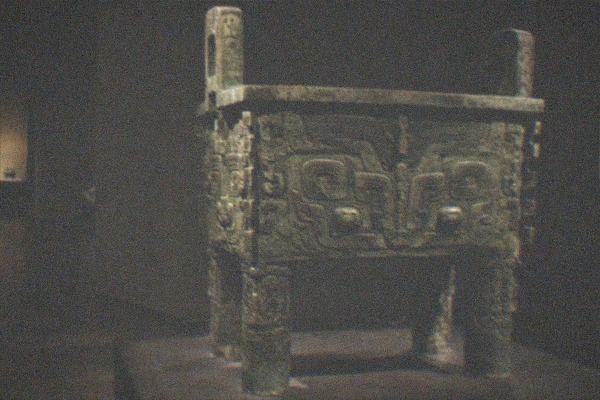
The permanent exhibitions cover the Grand Canal itself: its construction and engineering, the boats and locks that carried imperial grain north, the commerce and daily life that grew up along its banks, and how the waterway shaped Beijing into a capital. Artifacts, scale models and reconstructed scenes carry the story from the Sui dynasty's first canal cuts to the modern era.
The core narrative is simpler than most visitors expect, and it is a good one. A canal is a machine for moving weight cheaply, and the grain tribute system was the machine's payload. The exhibitions walk you through how the waterway was engineered, how it was rerouted over successive dynasties, and what it meant for a city like Beijing to sit at the end of a 1,000-plus kilometer supply line. The Yuan dynasty section is the hinge: when the capital moved north, the canal moved with it, and the route that terminated at Tongzhou is the direct ancestor of the museum's own location. You are standing, roughly, where the grain used to land.
Displays of recovered artifacts sit alongside the big picture pieces. Canal boats, mooring hardware, cargo and the tools of the people who worked the waterway give the story a physical texture that pure text panels never manage. The scale models are the crowd favorites, and they do real explanatory work: a cutaway model of a canal lock or a full canal-boat hull shows in ten seconds what a paragraph struggles to convey. Families report that this museum holds children's attention better than most, because the subject is concrete, machines and boats and water, rather than abstract.
The Beijing-specific galleries are the ones with the most lasting value for a visitor. They connect the canal to the city you have been walking through all week: why the capital's food supply mattered, how Tongzhou grew rich as the landing point, and what happened to the districts along the route when the waterway declined under rail and road competition. It reframes the rest of a Beijing trip. After this museum, the grain warehouses and water place names scattered across the city stop being trivia.
Readers who want the full deep-dive on the free-museum landscape in the capital can pick up the site's guide to free museums in Beijing, which sorts the genuinely free venues from the free-but-reserved ones, a distinction that saves people real disappointment at museum doors all over the city.
If canal history leaves you hungry for more of the capital's big-picture national story, the National Museum of China on the east side of Tiananmen Square is the heavyweight option, and it shares something with the Grand Canal Museum: general admission is free. The difference is access. The National Museum requires a real-name timed reservation that opens 7 days ahead at 17:00, and demand is heavy enough that travelers who cannot work a WeChat mini-program at that hour often come up empty. A booking service exists for exactly that gap, from $4.58, and it makes the reservation under your passport details.
The National Museum is a full day on its own, and its ancient China galleries are the deepest in the country. Pairing it with the Grand Canal Museum across two days gives you both the national sweep and the single-thread canal story.
For a different flavor of free-but-gated, the Military Museum of the Chinese People's Revolution in Haidian is worth knowing about. General admission is free, but it requires a real-name reservation that opens 8 days ahead, with slots releasing at 08:00, 17:00 and 20:00. The museum holds the military hardware and modern-history galleries that canal-era stories lead naturally into, and its collection of tanks, aircraft and ordnance is among the most memorable in the city. A booking service handles the reservation window for travelers who cannot be online at those hours, from $21, and the product carries a 4.4 rating across 10 reviews.
How Long Should You Plan, And What Else Is In Tongzhou?
Plan two to three hours inside the Grand Canal Museum itself, plus travel time each way from central Beijing, which makes the trip a half-day commitment at minimum. Tongzhou also offers the Grand Canal Forest Park and the newer cultural buildings around the museum, so a full day in the district is easy to fill.
The museum is sized for a serious visit, not a quick loop. Two hours covers the permanent exhibitions at a comfortable pace; three if you read panels closely or travel with children who want to linger at the models. Rushing it in an hour shortchanges the Yuan dynasty material, which is the part that rewards attention. Since you have already spent close to an hour riding out, give the building the time it was built for.
The surrounding cluster is the reason to consider the full day. The museum sits among the new cultural facilities of the sub-center, near the canal-adjacent parkland that gives the district its character. The Grand Canal Forest Park runs along the water north of the museum area, and it is the natural companion to the exhibitions: walk the actual canal after reading about it, and the museum's story lands with more force. On a clear day the combination is one of the better low-cost outings in the whole municipality, since both the museum and the parkland cost little or nothing.
Food and logistics in Tongzhou are easier than in the tourist core, with less crowding and more ordinary neighborhood pricing. The district is not built around foreign visitors, so expect fewer English menus and a more local pace, which many travelers count as a plus after a week around Qianmen. For readers mapping the city's museums by district and travel time, the site's day-trip museums guide places Tongzhou alongside the other out-of-center options worth the ride.
How Does It Compare With The Capital Museum Downtown?
The Grand Canal Museum is the Capital Museum's east branch, so the two share institutional depth, but they are different visits: the downtown museum on Fuxingmenwai Street holds the broad Beijing-history collection in a long-established building, while the Tongzhou branch is newer, canal-focused and less crowded. Both are free walk-ups, but they close on different days.
The family relationship is the useful thing to know. The Capital Museum, at 16 Fuxingmenwai Street in Xicheng, is one of the city's great free museums, with permanent exhibitions on Beijing's history from prehistory through the imperial era. Its visit page confirms the current arrangement: free entry with valid ID, and a Tuesday closed day under the schedule adjusted in 2026, a change from its earlier Monday closure: the Capital Museum's own visit page. The Grand Canal Museum carries the same institutional standards into a brand-new building and a single-subject mission.
Choosing between them is mostly a question of time and geography. Central Beijing visitors with one free afternoon should default to the Capital Museum, it is twenty minutes from most tourist lodging and the collection is broader. Visitors with a second museum day, or anyone with a specific interest in engineering, transport or the canal, should make the Tongzhou trip. And because the two museums close on different days, the pair can rescue a week with awkward gaps: Capital on Tuesday-adjacent days, Grand Canal on everything except Monday.
The split closure days are a genuinely useful planning detail, and they are not the only scheduling quirk in the capital's museum landscape this season.
The pass deserves a word, because it pairs naturally with a Tongzhou day. At CNY 120 for two people across roughly 140 venues, it pays for itself quickly for anyone moving through the paid museums, though the Grand Canal Museum itself, being free, is not where the pass earns its keep. The site's full breakdown of the Beijing Museum Pass covers which venues it covers and where the math works.
The Military Museum pairs well with a history-focused week: one day on the canal, one on the capital's military century. Both museums tell stories about how Beijing was supplied and defended, which is more of a through-line than most visitors expect. The Military Museum's reservation window is the one piece of friction in that plan, and the booking service described above exists precisely to absorb it.
Is The Museum Good For Children And For A Rainy Day?
Yes on both counts. The Grand Canal Museum's concrete subject matter, boats, locks, models and water, holds children's attention better than most history museums, and the large halls handle strollers and groups comfortably. As an indoor complex reached by metro, it also works as a rainy-day or cold-day destination, with the caveat that the ride out is longer than central options.
The children's case rests on the exhibits themselves. A canal museum is, functionally, a museum of machines and boats, and scale models of locks and vessels are self-explanatory in a way that calligraphy and bronze inscriptions are not. Families with school-age children consistently find more to talk about here than in painting galleries. The site's wider guide to Beijing museums with kids ranks the options by age group, and the canal museum's combination of free entry, no reservation and physical exhibits places it high for practical reasons even before the content.
The weather case is similar. Beijing's winters are dry and cold and its summers can be brutally hot, and a big modern building at the end of a metro ride is exactly what a bad-weather day needs. The indoor options guide on Beijing Museums covers the full range of enclosed venues, from the downtown giants to specialist collections like the Railway Museum's locomotive halls. The Grand Canal Museum's one weakness as a bad-weather pick is distance: if the forecast turns mid-afternoon, a museum ten minutes from your hotel beats a museum fifty minutes away.
That trade-off is the honest summary of the whole venue. You give up proximity and you give up the dense cluster of neighboring sights that central museums enjoy. You get a free, unreserved, uncrowded, brand-new museum on a subject that explains the city itself, plus parkland and a district that most visitors never otherwise see.
For readers now sketching a multi-day museum plan, the 3-day Beijing museum itinerary shows how to sequence the central cluster, the free walk-ups and one out-of-town day, and Tongzhou slots naturally into the last of those.
Common Questions About The Beijing Grand Canal Museum
What Is Inside The New Beijing Grand Canal Museum?
Permanent exhibitions on the Grand Canal's construction, engineering and history, the boats, locks and cargo that moved along it, and Beijing's growth as the canal's northern terminus, plus scale models, recovered artifacts and multimedia displays, all inside a large new complex in Tongzhou.
Is the Beijing Grand Canal Museum free?
Yes. General admission is free, and unlike most free museums in Beijing it requires no advance reservation: entry is walk-up with valid ID. It is one of only six major venues in the capital that take genuine walk-ups.
What day is the Beijing Grand Canal Museum closed?
It closes on Mondays, except national holidays. That is the standard closure pattern for Chinese national and municipal museums, so never build a Monday around it. The Capital Museum downtown, by contrast, currently closes on Tuesdays under its adjusted schedule.
How do I get to the Beijing Grand Canal Museum?
It stands in Tongzhou, the district at Beijing's eastern edge, as part of the new sub-center cultural cluster. It is a day-trip distance from central Beijing, so budget the travel time both ways and consider pairing the museum with the Grand Canal Forest Park for a full day in the district.
How long does a visit take?
Plan two to three hours for the permanent exhibitions at a comfortable pace. The museum is large and the subject rewards attention, especially the Yuan dynasty material, so an hour-long dash through the galleries shortchanges the visit.
Is the Grand Canal Museum the same as the Capital Museum?
It is the Capital Museum's east branch. The two share institutional collections and standards but are different visits: the downtown museum holds the broad Beijing-history collection, while the Tongzhou branch is newer, canal-focused and generally less crowded.