Art Museums In Beijing: NAMOC, 798 And The Private Galleries
Beijing's art museum scene splits three ways: a free national gallery with a tight reservation system, a contemporary art district built on factory ruins, and private museums whose ticket prices run from CNY 20 to CNY 120. Here is how each one actually works.
Short answer
Beijing's flagship art museum, the National Art Museum of China, is free but requires a reservation that opens 7 days ahead at 16:00. UCCA at 798 requires a reservation with an unpublished window. Private museums charge door prices from CNY 20 (Poly) to CNY 120 (Red Brick), and Guanfu takes walk-ups at CNY 100. Most close on Monday.
Art Museums In Beijing: NAMOC, 798 And The Private Galleries
Beijing runs its art scene on three different economic models at once, and visitors who assume all museums work the same way lose half a day to it. The national institutions are free but reservation-gated. The contemporary spaces in the 798 Art Zone price by exhibition. The private museums, founded by collectors, charge some of the highest door prices in the city and mostly skip the reservation system entirely.
The pattern that catches most people out is not the price. It is the booking window. Of the 31 major venues tracked across Beijing Museums, 22 require an advance real-name reservation and only 6 take genuine walk-ups. Free admission almost never means you can walk in, and several of the paid private museums are the opposite: pay at the door, no reservation, no window to miss.
What Counts As An Art Museum In Beijing?
Beijing's art museums fall into four working groups: the state-run national galleries (the National Art Museum of China, free with a reservation), the contemporary exhibition spaces of the 798 Art Zone led by UCCA, the private collector museums such as Guanfu, Red Brick and Poly, and the imperial sites whose art collections, like the Palace Museum's Treasure Gallery, sit inside a larger monument rather than a standalone gallery. Each group has its own ticketing logic, its own closed day and its own reservation window, so a plan that mixes them needs to account for three systems in one itinerary.
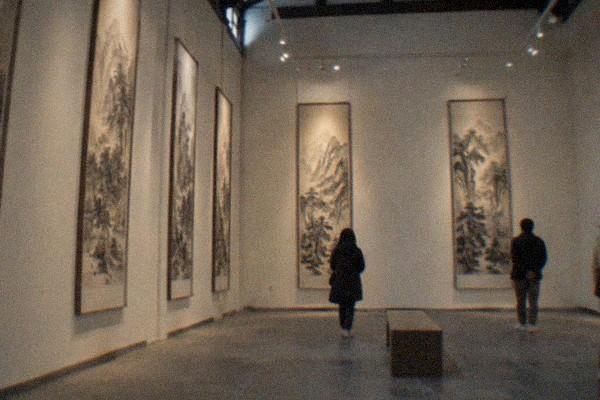
The state galleries are the easiest on the wallet and the hardest on logistics. The National Art Museum of China, known as NAMOC, holds the national collection of Chinese painting, sculpture, printmaking and calligraphy, and admission to its permanent exhibitions costs nothing. The catch is the queue for slots: reservations open 7 days ahead at 16:00 Beijing time, and the daily cap sits around 6,000 visitors, a figure that vanishes quickly on weekends and during major temporary exhibitions. Foreign visitors book with a passport through the official channels, and the museum closes on Monday except statutory holidays.
The 798 Art Zone is a different animal. It is not one museum but a district of former electronics factories converted into galleries, studios and design shops, and its anchor institution is the UCCA Center for Contemporary Art. UCCA prices and programs by exhibition, so there is no fixed adult price to quote; entry requires a reservation through the museum's own channel, with the booking window unpublished, and the closed day varies by exhibition, commonly Monday. For the district itself, the 798 Art District visitor guide covers how the zone is laid out and what else sits around the galleries.
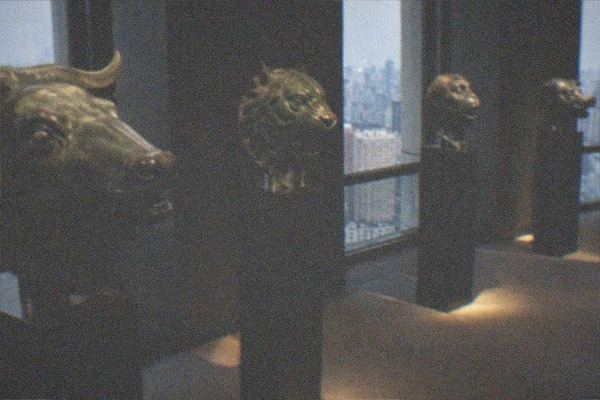
The private museums are where Beijing's art scene gets expensive and interesting. Guanfu Museum, founded by the collector Ma Weidu, charges CNY 100 at the door and takes walk-ups with no reservation at all. The Red Brick Art Museum charges CNY 120, the highest door price among the art venues in the city, and closes Monday except holidays. Poly Art Museum, on the ninth and tenth floors of New Poly Plaza, is the cheapest of the three at CNY 20 and holds the bronze animal heads looted from the Old Summer Palace, a story covered in detail in which Beijing museum has the bronze zodiac heads.
The fourth group is easy to overlook. The Palace Museum is not marketed as an art museum, but its Treasure Gallery and Gallery of Clocks are paid add-on exhibitions inside the world's largest palace complex, and the Summer Palace's long corridors and painted galleries make it closer to an open-air art object than a park. Treating these as part of an art itinerary rather than separate sightseeing is what turns a scattered list of venues into a coherent trip.
Which Beijing Art Museums Are Free And Which Charge Admission?
The free art venues are NAMOC, the Capital Museum and the National Museum of China, all of which still require either a reservation or ID-based entry; the paid venues split into the official-channel museums, priced CNY 15 to CNY 120, and the third-party-ticketed imperial sites. Free never means frictionless in Beijing, and the paid private museums are often the least bureaucratic stops on an art day because you simply pay at the door.
Here is the full price picture at a glance. Door prices are what you pay at the venue in yuan; where a third-party reservation product exists, its starting price is listed separately because it is a different transaction, a booking service rather than a door ticket.
| Venue | District | Entry cost | Reservation | Closed day |
|---|---|---|---|---|
| National Art Museum of China | Dongcheng | Free | Required, opens 7 days ahead at 16:00 | Monday (except statutory holidays) |
| UCCA Center for Contemporary Art | Chaoyang | Priced by exhibition | Required, window not published | Varies by exhibition, commonly Monday |
| Poly Art Museum | Dongcheng | CNY 20 | Required, opens 1 day ahead | Sunday and statutory holidays |
| Guanfu Museum | Chaoyang | CNY 100 | Walk-up, no reservation | Chinese New Year period; shorter Monday hours |
| Red Brick Art Museum | Chaoyang | CNY 120 | No reservation details published | Monday (except holidays) |
| Capital Museum (art holdings) | Xicheng | Free | Walk-up with valid ID | Tuesday |
Two things in that table deserve emphasis. First, Poly Art Museum's Sunday closure is unusual: most Beijing museums close Monday, so Poly is one of the few art venues that works as a Monday substitute, though not on statutory holidays. Second, the Capital Museum's Tuesday closure comes from a 2026 adjustment; its permanent collection leans toward Beijing history and material culture but includes significant decorative arts, and its free walk-up entry with valid ID makes it the lowest-friction major museum in the city.
The comparison also hides a hidden cost. NAMOC is free, but if you arrive without a reservation on a weekend you will not get in, and there is no paid fallback at the door. Guanfu costs CNY 100, but you can decide to go on the morning of the visit. Budget travelers should weigh a guaranteed CNY 100 entry against a free entry that may not materialize, and plan NAMOC for a weekday morning when the reservation pressure is lowest.
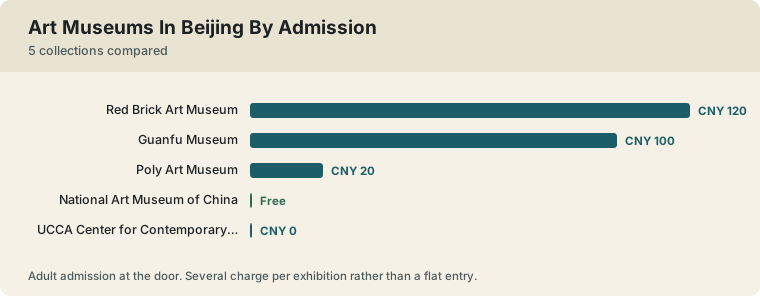
The chart above is the planning shortcut. If your dates are fixed and you want the national collection, book NAMOC the moment the 16:00 window opens a week out. If your dates are flexible and you want contemporary work, the private and district venues give you the freedom to improvise, at a price.
For travelers who want art plus imperial grandeur in one ticket, three imperial sites sell third-party reservation products that book the official entry under your passport details. These are the products worth considering if the official mini-programs are hard to use from abroad.
Each of those three is covered in depth later in this guide, in the section on combining imperial art with gallery visits. The short version: Prince Gong's Mansion is the closest thing to a Qing dynasty art and architecture ensemble inside the second ring road, the Summer Palace pairs painted corridors with lake scenery, and the Forbidden City's Treasure Gallery holds the palace's portable masterpieces behind a separate CNY 10 add-on.
How Do Reservations Work At Beijing Art Museums?
Every reservation system in Beijing's museum world runs on real-name booking: you register with a passport or ID number, slots open on a fixed schedule, and there is no same-day counter to fall back on at the reserved venues. The windows differ sharply between museums, from 1 day ahead at Poly to 7 days ahead at NAMOC, and the release times are precise, so the practical skill is knowing which clock to watch for which venue.
The windows for the art venues look like this:
| Venue | Window opens | Release time | Foreign passport |
|---|---|---|---|
| National Art Museum of China | 7 days ahead | 16:00 | Accepted for real-name booking |
| Poly Art Museum | 1 day ahead | Not published | Passport holders can visit with reservation ID verification |
| UCCA Center for Contemporary Art | Required, window unpublished | Not published | Not published |
| Guanfu Museum | Walk-up, no reservation | None needed | Walk-up entry |
| Red Brick Art Museum | Not published | Not published | Not published |
The general booking mechanics are explained step by step in how to book Beijing museum tickets, including what to do when a mini-program rejects a foreign number. The art-specific wrinkle is demand. NAMOC's roughly 6,000 daily slots sound generous until a blockbuster exhibition lands, and the 16:00 release a week out is when tour operators and locals grab theirs. Set an alarm for 15:55 Beijing time on the day your window opens.
For the private museums, the reservation question mostly disappears. Guanfu's whole model is built on door sales, and the Beijing Ancient Architecture Museum and Great Bell Temple, two specialist venues with strong decorative-arts content, also take walk-ups. If you have missed every window in the city, a walk-up day built around Guanfu, the Ancient Architecture Museum and a stroll through the 798 zone is a genuine fallback plan, not a consolation prize.
One caution applies to the imperial sites. The Palace Museum states on its official site that it has not authorized any third-party institutions or individuals to act as ticket agents, and it sells no same-day tickets at all. The third-party products linked on this site are reservation services that book the official ticket under the passport details you provide, refundable if the official quota sells out first. Both facts belong together: the museum's warning is real, and the services are real too, which is exactly why the pairing is spelled out rather than hidden. The same logic is laid out plainly in can you buy Forbidden City tickets at the gate.
Prince Gong's Mansion deserves its place in this section because its booking window is the longest in the imperial group: slots open 10 days ahead at 20:00, earlier than almost anything else in the city. That makes it both the easiest imperial-art venue to plan for and the one people most often forget to book, because by the time you are thinking about your trip's other reservations, its window has been open for days.
What Makes The National Art Museum Of China Worth The Trip?
NAMOC holds China's national collection of modern and contemporary Chinese art, spanning ink painting, oil painting, printmaking, sculpture and calligraphy, in a 1960s pavilion-style building on Wusi Street, and its free admission plus rotating blockbuster exhibitions make it the single highest-value art stop in Beijing when you can get a slot. The collection runs to over 100,000 works, and the temporary exhibition program is where the museum does its best work, from retrospectives of 20th century masters to large-scale contemporary surveys.
The museum's location is a planning gift. It sits at the north end of the historic Wusi Street, walking distance from the Forbidden City's east flank, the National Museum of China on the square, and the hutong galleries of Dongcheng. A realistic art morning is NAMOC from opening, then south to the imperial complex, with the Palace Museum's Treasure Gallery as the afternoon's paid exhibition. The Treasure Gallery and Gallery of Clocks each cost CNY 10 on top of the CNY 60 peak-season palace ticket, and the palace ticket itself opens 7 days ahead at 20:00, a different clock from NAMOC's 16:00.
The palace's own reservation product, booked from $7 with a 4.5 rating across 655 reviews, is one option when the official mini-program is awkward from abroad. It carries the same refund-if-sold-out logic described above, and it is the one imperial booking that pairs naturally with a NAMOC morning.
For foreign visitors, NAMOC's reservation system accepts passports for real-name booking, per the museum's official visiting guidance at namoc.cn. The museum closes Monday except statutory holidays, which is standard, but its 16:00 release time is not: most venues release in the evening, and NAMOC's late-afternoon slot means you can book it during business hours rather than setting a nighttime alarm.
What you get inside is worth the logistics. The permanent galleries trace the arc of Chinese art from the Qing collapse through the revolutionary printmaking of the 1930s and 1940s to the ink revivalists and oil painters of the late 20th century. Temporary shows rotate through the side halls, and the museum's scale means you can spend two hours on the permanent collection alone. If you only have one day for art in Beijing and you can secure a NAMOC slot, start there.
Is The 798 Art Zone The Best Place For Contemporary Art?
The 798 Art Zone is Beijing's contemporary art center, a district of decommissioned military-electronics factories whose saw-toothed roofs and exposed ducting now house commercial galleries, UCCA, design bookstores and cafes, and it offers the widest single-day concentration of art in the city without a single unified ticket. You do not buy 798; you buy, or reserve, whatever is showing inside its individual spaces, with UCCA as the anchor that most visitors plan around.
UCCA's model is exhibition-driven. The museum prices by show, requires a reservation through its own channel, and does not publish a fixed booking window or a fixed adult price, so the honest planning advice is to check what is on before you commit to the trip. Its closed day also varies by exhibition, commonly Monday. That flexibility cuts both ways: you cannot plan a UCCA visit months ahead with certainty, but you also are not locked into a fixed program. The question of whether the ticket pays off is examined in is UCCA Beijing worth the ticket.
Around UCCA, the district's commercial galleries are generally free to enter and rotate shows on a three-to-six week cycle. A full day in 798 can mean four or five exhibitions, a sculpture walk between the Bauhaus-influenced factory blocks, and lunch in a converted machine hall. None of it requires a passport number, none of it has a release time, and almost all of it can be decided on the day, which after a week of 16:00 and 20:00 alarms is its own kind of relief.
The district's weakness is distance. It sits in northeast Chaoyang, far from the Dongcheng and Xicheng museum cluster, so it does not combine well with NAMOC or the Capital Museum in a single morning. Pair it instead with the Red Brick Art Museum, which is also in Chaoyang and charges CNY 120, or with Guanfu, which is likewise in the district's orbit. A Chaoyang art day, 798 plus one or two of the private museums, is the natural counterpart to a central Beijing day built around the free national galleries.
Which Private Art Museums Are Worth Their Ticket Price?
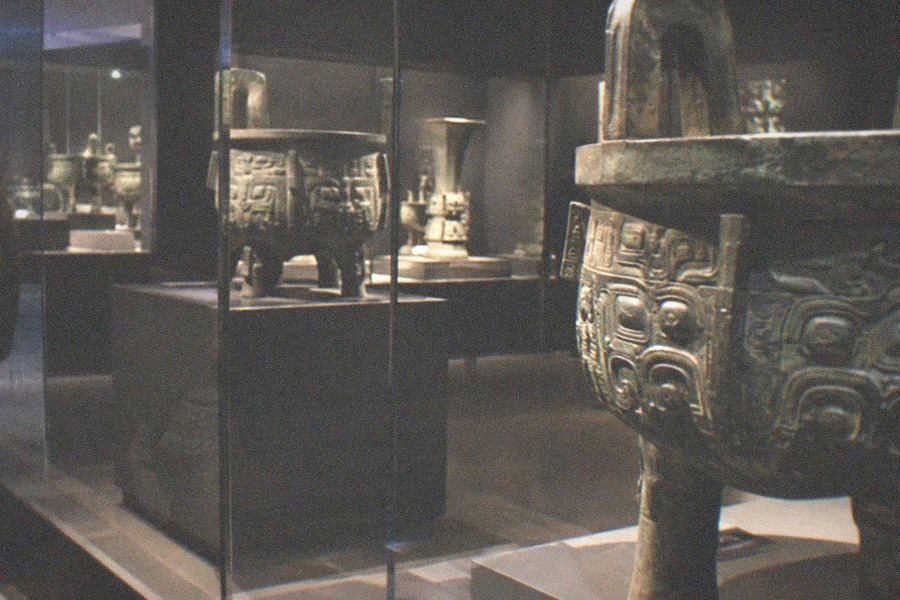
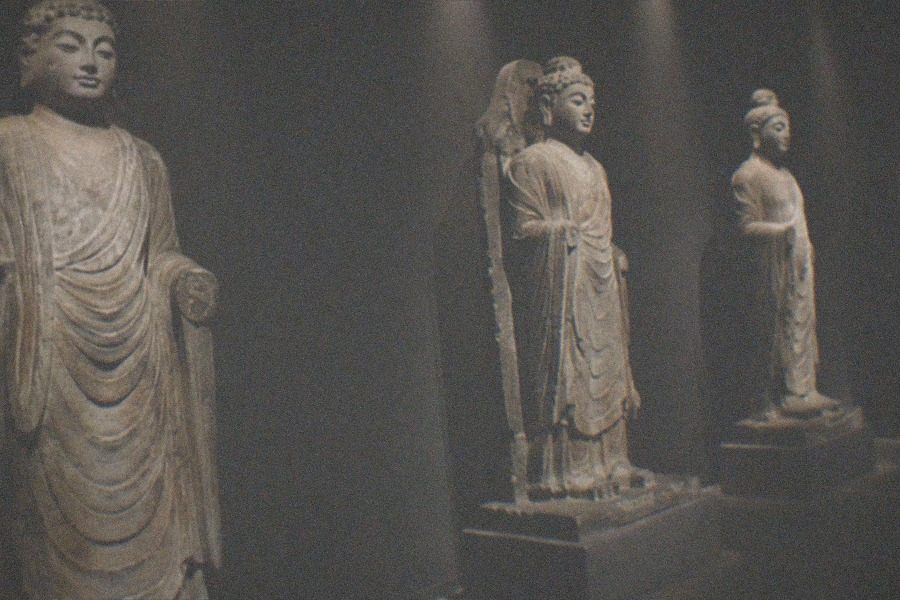
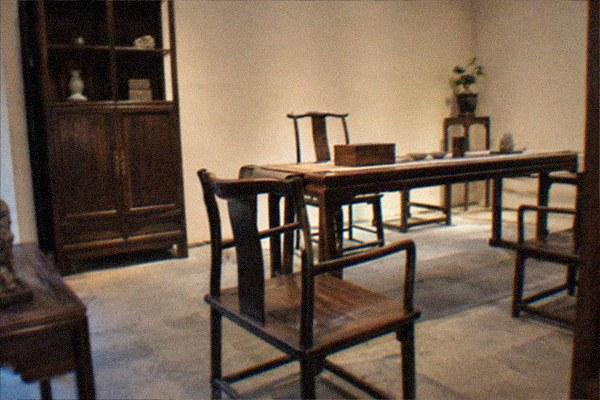
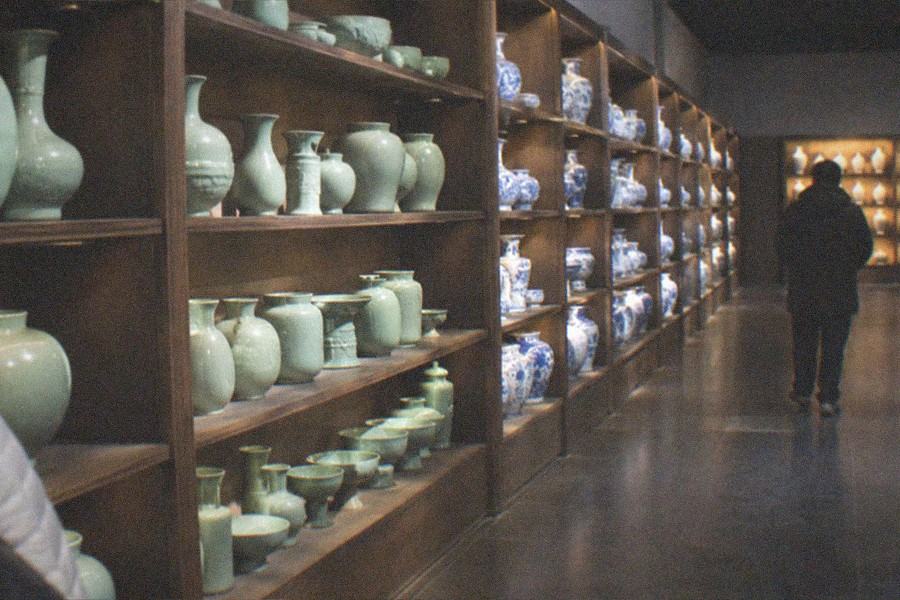
The three headline private museums, Poly at CNY 20, Guanfu at CNY 100 and Red Brick at CNY 120, each justify their price for a different traveler: Poly for the looted bronzes and Buddhist carvings, Guanfu for the founder's personal collection of furniture and ceramics, and Red Brick for architecture and landscaping as much as the art itself. None of the three is a generic collection; each is a collector's argument, and the price differences track the size and ambition of the spaces rather than the quality of the holdings.
| Museum | Door price | What it is best for | Booking reality |
|---|---|---|---|
| Poly Art Museum | CNY 20 | Bronze zodiac heads, ancient bronzes, Buddhist stone carvings | Reserve 1 day ahead; closed Sunday and statutory holidays |
| Guanfu Museum | CNY 100 | Ming and Qing furniture, ceramics, a collector's eye across categories | Walk-up, no reservation; closed over Chinese New Year, shorter Monday hours |
| Red Brick Art Museum | CNY 120 | Contemporary art in a brick-built garden complex | No reservation details published; closed Monday except holidays |
Poly Art Museum is the sleeper. At CNY 20 it is the cheapest paid art museum in the city, it sits inside New Poly Plaza on Chaoyangmen North Street, and its ninth and tenth floor galleries hold the four bronze animal heads returned from the Old Summer Palace loot, alongside one of the strongest collections of early Chinese bronzes in private hands. Passport holders can visit with reservation ID verification, and the 1-day booking window is the shortest in the city, which makes Poly the best last-minute art booking in Beijing. Its Sunday closure is the trade-off, unusual and easy to forget.
Guanfu is the opposite experience. Founded by Ma Weidu, the television personality who did more than anyone to popularize antique collecting in China, it presents ceramics, hardwood furniture and scholar's objects in dense, personal, sometimes overwhelming arrangements. The CNY 100 door price buys entry to a worldview rather than a curriculum, and the walk-up policy means you never fight a booking window. The museum closes over Chinese New Year from New Year's Eve to the third day, and runs shorter hours on Mondays, one of the few Monday options in the art scene.
Red Brick Art Museum earns its CNY 120 through its setting. The complex is a designed landscape of red brick walls, water courts and planted courtyards in which the contemporary exhibitions sit as one element among several. Visitors who come strictly for the canvases sometimes balk at the price; visitors who treat it as architecture, garden and art in one ticket rarely do. It is closed Monday except holidays, and it is best paired with 798 on a Chaoyang day rather than forced into a central Beijing itinerary.
Can You Combine Imperial Art And Galleries In One Day?
Yes, and the combination is the best use of Beijing's geography: a central day pairs NAMOC or the Capital Museum with the Forbidden City's paid galleries and Prince Gong's Mansion, while a Chaoyang day pairs 798 with Red Brick or Guanfu, and the two days should never be mixed because the districts are an hour apart. The imperial sites are not art museums in the strict sense, but their painted corridors, carved stonework and treasure galleries carry more art per square meter than any standalone gallery in the city.
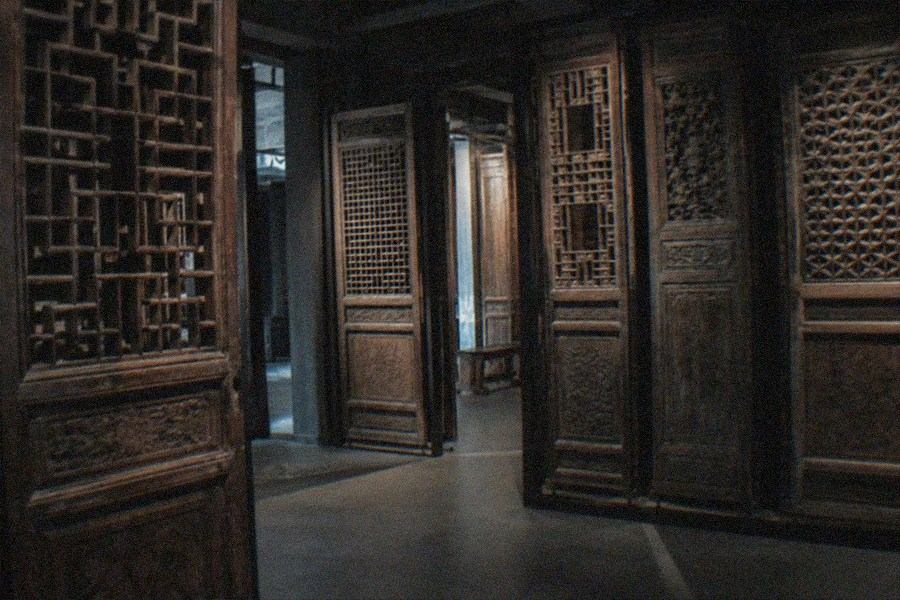
The central day writes itself. Start at NAMOC when it opens, walk south to the Forbidden City for the Treasure Gallery, and finish the afternoon at Prince Gong's Mansion, the best-preserved Qing princely residence in Beijing, whose theatre courtyard, carved screens and garden rockeries sit near the Shichahai lakes in Xicheng. The mansion's own ticket is CNY 40 at the door, its reservation window opens 10 days ahead at 20:00, and it closes Monday except public holidays. A third-party reservation product books the official ticket from $11 under your passport details.
The Summer Palace belongs on a second central day or a half-day of its own, because it is in Haidian and deserves more than a rushed hour. Its door price is CNY 30, the reservation is required, and its product books from $14, carrying a 4.7 rating across 1,144 reviews, the strongest of any imperial site on the roster. The Long Corridor alone, with its painted beams running hundreds of meters along Kunming Lake, is one of the largest decorated surfaces in Chinese architecture. The inner halls, including the Tower of Buddhist Incense, close Monday except public holidays, so time the visit accordingly.
If you are compressing the imperial art into a tight trip, the honest hierarchy is this: the Forbidden City for scale and the Treasure Gallery, Prince Gong's Mansion for intimate Qing craft, the Summer Palace for art set in landscape. All three close their gates on Mondays in some form, all three require advance booking, and all three sell out on popular dates, so the Monday exception is the wrong day to improvise. The 3-day Beijing museum itinerary sequences these with the free national museums for travelers with a full weekend.
What Do Locals Know That Guidebooks Miss?
Three things: the Beijing Museum Pass covers roughly 140 venues for CNY 120 and admits two people for a full year, several private museums are the only walk-up options left in a reservation-gated city, and the Monday closure rule has enough exceptions, Poly on Sunday, Guanfu with shorter hours, the Capital Museum on Tuesday, that a closed-day map beats a best-of list. Each of these changes a real itinerary.
The Museum Pass is the most underused tool for art travelers. The 2026 edition launched on 11 November and covers roughly 140 venues at CNY 120 per copy, offering free or discounted admission for two people across the year, according to the official launch announcement at Beijing's municipal government site. It is a non-personalized pocket book, usable by anyone in a family, and it pays for itself in two or three private-museum visits. There is no Beijing CityPASS; the museum pass is the only pass product that exists, and it is covered in full in the Beijing Museum Pass guide.
The walk-up point matters more every season. As reservation windows tighten across the free national museums, the six genuine walk-up venues in the city, among them Guanfu, the Beijing Ancient Architecture Museum and the Great Bell Temple, are the only places where an unplanned afternoon still works. The indoor Beijing for cold and rainy days guide leans on exactly these venues, because a walk-up museum is also the museum you can retreat to when a plan collapses.
Finally, think in closed-day pairs. Monday kills NAMOC, Poly's neighbors and most of the imperial sites, but Guanfu runs shorter hours rather than closing, and the Capital Museum is open. Sunday closes Poly but almost nothing else in the art world. A visitor who plans around the closures instead of around the highlights gains a full day of the trip back, and in a city where the booking window, not the price, is the real barrier, that recovered day is worth more than any single ticket.
For one final comparison of the three imperial-art bookings that anchor a central Beijing art day, here is the full selection side by side.
Common Questions About Art Museums In Beijing
Is the National Art Museum of China free?
Yes. General admission to NAMOC is free, but a real-name reservation is required, opening 7 days ahead at 16:00 Beijing time, with a daily cap of around 6,000 visitors. The museum closes Monday except statutory holidays.
Do you need a reservation for Beijing art museums?
Most do. NAMOC requires one, UCCA requires one with an unpublished window, and Poly requires one a day ahead. Guanfu takes walk-ups at CNY 100 with no reservation, and the Capital Museum admits walk-ups with valid ID. Across the city, 22 of 31 major venues require advance booking.
Which Beijing art museums are open on Monday?
Very few. NAMOC, UCCA (commonly) and Red Brick all close Monday. Guanfu runs shorter Monday hours rather than closing, and the Capital Museum closes Tuesday instead, making it the main central option on a Monday. Poly closes Sunday, so it works on Monday except statutory holidays.
How much do the private art museums cost?
Poly Art Museum charges CNY 20, Guanfu charges CNY 100, and the Red Brick Art Museum charges CNY 120, all at the door. None of the three requires the kind of week-ahead booking the free national museums do, and Guanfu needs no reservation at all.
Is 798 free to visit?
The district itself is free to walk, and most commercial galleries inside it are free to enter. UCCA, the zone's anchor museum, prices by exhibition and requires a reservation, with no fixed adult price published.
Can a foreign passport be used to book Beijing museum tickets?
Yes at the venues where the research confirmed it. NAMOC accepts passports for real-name booking, and Poly Art Museum explicitly notes that passport holders can visit with reservation ID verification. Where confirmation was not available, say nothing rather than guess, and check the venue's official channel before your window opens.