Is The Paleozoological Museum Of China The Same As The Natural History Museum?
No, they are two different museums: one is a paid fossil museum in Xicheng, the other a free natural history museum in Dongcheng. Here is how tickets, reservations and collections differ.
Beijing has a way of producing museum names that sound interchangeable until you are standing at the wrong gate. The Paleozoological Museum of China and the National Natural History Museum of China are the classic example. Both display fossils, both sit in the science-nature family, and both close on Mondays, yet they are separate institutions with different owners, different districts, different ticket prices and different reservation windows. Travelers who book one expecting the other routinely lose half a day to a cross-city trip that was never necessary.
The confusion is understandable. Older guidebooks sometimes call the National Natural History Museum of China by its former name, the Beijing Museum of Natural History, and some listicles lump both venues under a single "natural history" heading. The result is a steady trickle of visitors who reserve a free timed slot in Dongcheng while their family waits outside a ticket office in Xicheng, or the reverse. This guide separates the two museums cleanly: what each collects, where each stands, what each costs, and how the reservation systems differ.
Is The Paleozoological Museum Of China The Same As The Natural History Museum?
No, they are two entirely separate museums in two different districts of Beijing. The Paleozoological Museum of China stands at 142 Xizhimenwai Street in Xicheng District, next to the Beijing Planetarium, and charges CNY 20 at the door. The National Natural History Museum of China is a free museum in Dongcheng District that requires its own timed reservation, booked three days ahead.
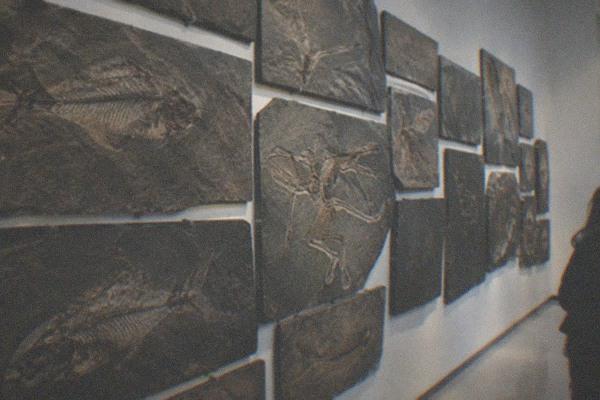
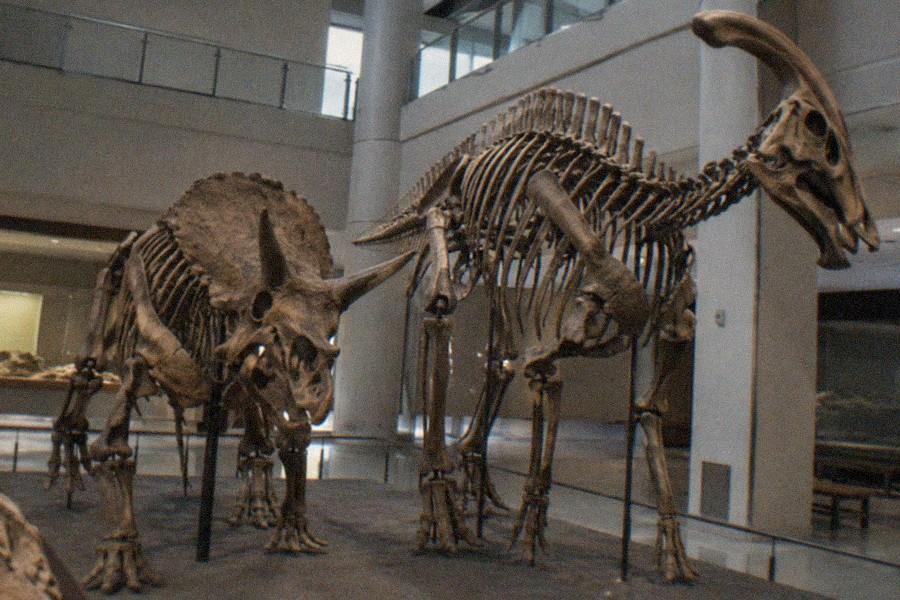
The Paleozoological Museum of China, known locally as the China Ancient Animal Museum, is run under the Chinese Academy of Sciences' Institute of Vertebrate Paleontology and Paleoanthropology. Its collection is built around vertebrate fossils: fish from Devonian seas, dinosaur skeletons, ancient mammals, and the celebrated Peking Man material connected to the Zhoukoudian site outside the city. It is a specialist paleontology museum, compact and dense, and it sits directly across the plaza from the Beijing Planetarium in the Xizhimen area of Xicheng.
The National Natural History Museum of China, by contrast, is the national-level natural history institution. Its exhibits span botany, zoology, paleontology and human biology, with large taxidermy halls, life-science displays and a famous dinosaur gallery that anchors most family visits. Its official English site states plainly: "Admission is free. There is a charge for some temporary exhibitions." It is the museum most Beijingers mean when they say "natural history museum," and it occupies its own building in Dongcheng, several kilometers from the Paleozoological Museum.
The practical differences are easiest to see side by side:
| Paleozoological Museum of China | National Natural History Museum of China | |
|---|---|---|
| District | Xicheng | Dongcheng |
| Door price | CNY 20 | Free, some temporary exhibitions charged |
| Reservation | Required, opens 6 days ahead | Required, opens 3 days ahead at 11:00 |
| Closed day | Monday | Monday, except statutory holidays |
| Focus | Vertebrate fossils, paleontology | Natural history across botany, zoology and paleontology |
| Nearest landmark | Beijing Planetarium, same plaza | Central Dongcheng, near the Temple of Heaven area |
| Booking channel | Museum's own official channel | Museum's own official channel |
One detail worth repeating: neither museum has a third-party ticket product. The Paleozoological Museum takes reservations through its own official channel, and the natural history museum does the same. If you are planning a science-themed Beijing trip, the three bookable products that cover this family of venues are the China Science and Technology Museum, the Beijing Planetarium and the Zhoukoudian Peking Man Site Museum, and a reservation service can handle any of them:
Where Each Museum Sits And What Each One Collects
The Paleozoological Museum of China is at 142 Xizhimenwai Street in Xicheng, sharing its plaza with the Beijing Planetarium. The National Natural History Museum of China is in Dongcheng District, closer to the Temple of Heaven side of the city center. The two buildings are roughly a 20 to 30 minute taxi ride apart, so the district you choose shapes your whole day.
The Paleozoological Museum's location is its quiet advantage. Xizhimenwai Street is a single address strip that holds both the museum and the Beijing Planetarium at number 138, which means a family can book a morning of fossils and an afternoon planetarium show without moving the car. The museum itself is not large. Its halls are arranged chronologically, walking visitors from early fish through the age of dinosaurs and into the mammals that rose afterward, and the collection leans on material connected to the Institute of Vertebrate Paleontology and Paleoanthropology, one of the world's leading fossil research bodies. That research connection is why certain specimens here are originals rather than casts, and why the labels read more like a working science collection than a theme-park display.
The National Natural History Museum of China plays a different role entirely. As the national natural history museum, it covers the whole sweep of life on earth, not only fossils. Its permanent galleries include the dinosaur hall that draws most of the school groups, plus halls on botany, animals and human biology. Its official visiting guidance confirms that individuals book "3 days ahead" with slots refreshing "daily at 11:00," real-name, one booking per day per ID, with no on-site ticketing for the free permanent exhibitions. Groups book four days ahead. The museum closes Monday except statutory holidays.
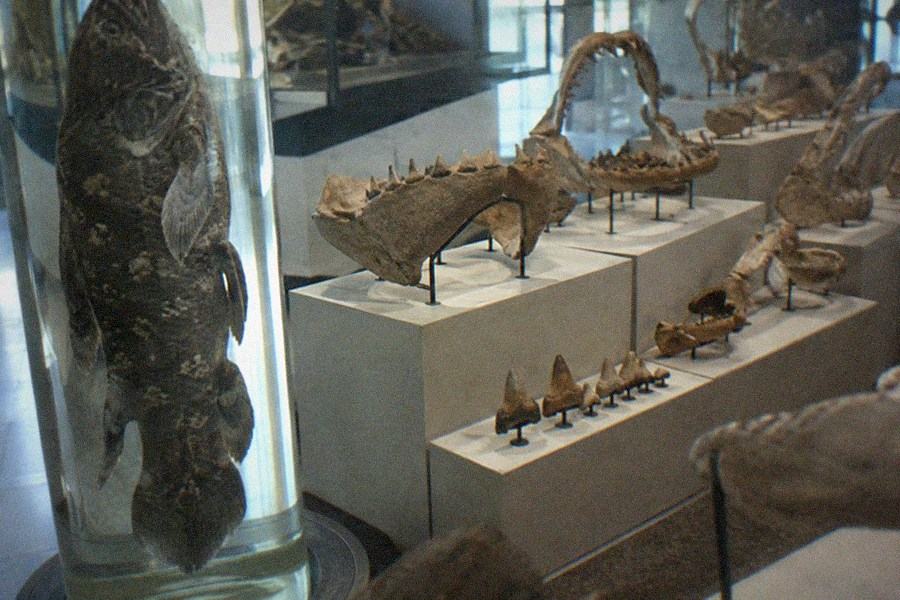
Choosing between them on content alone comes down to depth versus breadth. If your interest is paleontology specifically, the fossil sequence at the Xicheng museum is the sharper experience, and it pairs naturally with the Zhoukoudian Peking Man Site Museum in Fangshan, the place where many of the original hominin finds were made. If you are visiting with younger children or want one museum that covers dinosaurs, animals and the human body under a single roof, the Dongcheng institution is the broader draw, and its free admission makes it an easy anchor for a budget day. For a deeper look at the dinosaur galleries there, see our piece on Beijing natural history museum dinosaurs.
Whichever museum you pick, the China Science and Technology Museum in Chaoyang is the one venue in this family that sells a straightforward reservation product, and it is often the right answer for travelers who want the booking handled for them.
How Do Ticket Prices And Reservations Compare?
The Paleozoological Museum of China charges CNY 20 at the door and requires a reservation that opens six days ahead. The National Natural History Museum of China is free, but its timed slots open only three days ahead at 11:00 and disappear quickly on weekends. Free does not mean walk-in: both museums require a real-name booking, and both close on Mondays.
The price difference is the detail that trips people up. Seeing "free" next to the natural history museum, many visitors assume they can simply show up, but Beijing's rule holds here as everywhere: 22 of the 31 major museums in this city require an advance real-name reservation, and only six take genuine walk-ups. The natural history museum sits firmly in the reserved camp. Its booking window is short, three days, which cuts both ways: you do not need to plan far ahead, but you do need to be at the official channel at 11:00 on the day slots open if you want a weekend visit, because school groups and local families compete for the same quota.
The Paleozoological Museum runs on a different rhythm. Its window opens six days ahead, giving a bit more runway, and the CNY 20 door price is the standard adult ticket. There is no third-party booking product for either museum, so the official channels are the only route. A foreign passport is the document you register under at the venues where the research confirmed passport support; where it did not, the safe assumption is that the official channel's own form will tell you at booking time what ID it accepts. The Beijing museum ticket booking guide walks through the WeChat mini-program flow step by step for both Chinese and foreign visitors.
For visitors who would rather not fight a mini-program at all, the payable products in this science family are worth knowing. The China Science and Technology Museum's reservation product starts at $21 and carries a 4.1 rating across 10 reviews, with its own official slots opening 7 days ahead at 18:00. It is the most family-proven of the three, four floors of themed halls from ancient Chinese invention to future technology. If your trip leans toward fossils and prehistory instead, the Zhoukoudian product covers the Peking Man site itself, a day trip into Fangshan District.
Which Museum Should You Choose For Kids Or Limited Time?
For a single short visit with children, the National Natural History Museum of China is the broader and cheaper pick, free with a three-day reservation. For a child who is specifically dinosaur-obsessed, the Paleozoological Museum of China offers a denser fossil sequence for CNY 20 and pairs with the Beijing Planetarium across the plaza. Two to three hours is enough at either museum.
Time budgets matter here. Neither museum demands a full day. The Paleozoological Museum is compact enough that two unhurried hours covers the whole chronological sequence, and its size is a genuine asset with younger kids whose attention fades by lunchtime. The natural history museum rewards a longer stay, three hours or so, if you want the dinosaur hall plus the zoology and human biology galleries, but a focused visit built around the dinosaurs alone can be done faster. The practical constraint is not stamina but booking: the natural history museum's three-day window means a spontaneous Tuesday decision can work midweek, while peak weekend dates need you at the official channel the moment 11:00 slots drop.
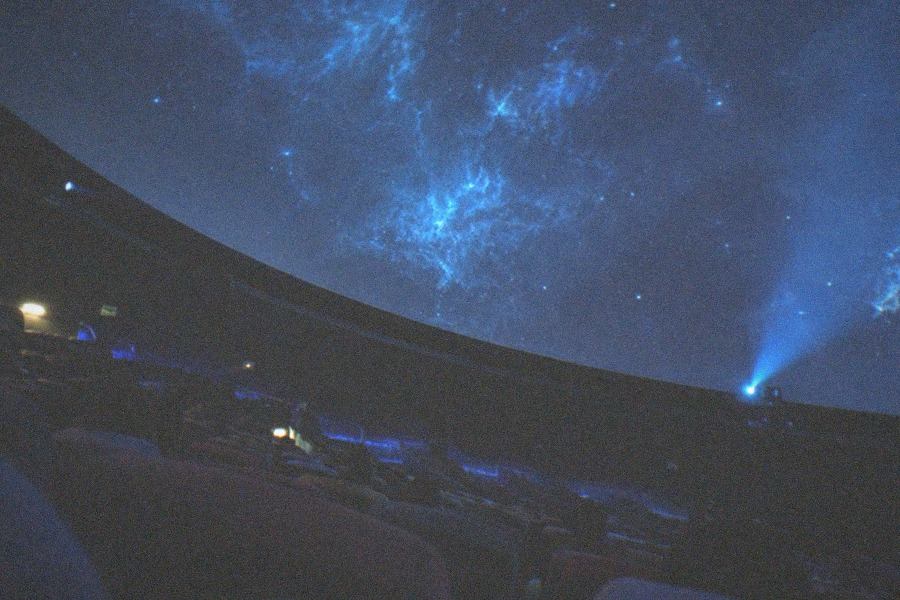
There is also the question of what surrounds each venue. The Xizhimen plaza gives the Paleozoological Museum a natural second act: the Beijing Planetarium next door sells show tickets from $11 through a reservation product, with its own booking window opening five days ahead, and the planetarium closes Tuesday rather than Monday. That Monday/Tuesday split is a scheduling gift, because it means a long weekend in Beijing can include one science venue on the day the other is shut. The natural history museum's Dongcheng location instead puts you within reach of the Temple of Heaven's park and the Qianmen area, which makes it the better building block for a classic sightseeing day.
For travelers weighing the whole science-nature family, the honest ranking by child appeal usually runs: China Science and Technology Museum first for interactive hands-on halls, then the natural history museum for the dinosaur gallery, then the Paleozoological Museum for depth, then the Planetarium for shows. Adults traveling without children often reverse that order, and the China Science and Technology Museum for adults piece explains why the interactive floors hold up without kids in tow.
Can You Combine Both Museums In One Day?
Yes, and it is a reasonable plan, but treat it as a cross-city trip, not a two-stop stroll. The museums sit in different districts, so the efficient order is the Paleozoological Museum plus the Planetarium in Xicheng in the morning, then a taxi or subway ride east to the natural history museum in Dongcheng for the afternoon, respecting each museum's reservation window and Monday closure.
The morning half of that plan is the easy one. Because the Paleozoological Museum and the Beijing Planetarium share the Xizhimenwai Street plaza, you can book fossils for the 9:00 or 10:00 entry, spend two hours inside, have lunch in the surrounding Jianguomen-adjacent commercial area, and then take a planetarium show if you booked one. The afternoon leg is where planning earns its keep. The ride east to Dongcheng is short by Beijing standards but not trivial at rush hour, and the natural history museum's last entry is governed by its timed slot, so book the afternoon slot before you commit to the morning pace.
The booking choreography is the real constraint. The Paleozoological Museum's window opens six days ahead, the Planetarium's five days ahead, and the natural history museum's only three days ahead at 11:00. Working backward from your visit date, that means the fossil and planetarium bookings can be made the same evening a week out, while the free natural history slot is a separate task three days out. Do all three and you have a full science day for CNY 20 in door tickets plus whatever planetarium show you add, with the natural history museum free on top. Skip one booking and the plan collapses, because neither museum reliably takes walk-ups.
The Beijing Planetarium's show product is the one piece of this day that a reservation service can handle for you, and it is worth considering if the 11:00 slot release or the mini-program flow is friction you would rather skip:
What Else Belongs On A Beijing Fossil And Science Itinerary?
Beyond the two museums, the science-nature family in Beijing includes the China Science and Technology Museum in Chaoyang, the Beijing Planetarium and Ancient Observatory in the Xizhimen and Jianguomen areas, and the Zhoukoudian Peking Man Site Museum in Fangshan as a full day trip. The Beijing Museum Pass covers about 140 venues at CNY 120 for two people across the year.
The deep cut in this family is Zhoukoudian. The Peking Man site in Fangshan is where the original Homo erectus fossils were excavated in the early twentieth century, and the site museum there tells that story at the place it happened, with the cave grounds walkable beside the exhibition halls. It is a day trip outside central Beijing, door price CNY 30, reservations opening 7 days ahead at 17:00, closed Monday except national holidays. For anyone whose interest in the Paleozoological Museum was really an interest in Peking Man, Zhoukoudian is the more meaningful destination, and the two pair naturally since the city museum's collection grew from the same research institute's fieldwork.
Closer in, the Beijing Ancient Observatory on Jianguomen side is a small, atmospheric stop: a Ming-era observatory terrace carrying bronze astronomical instruments, CNY 20 at the door, reservations five days ahead, closed Tuesday. It is run in conjunction with the Planetarium, which is why its closed day matches. The Beijing museums open on Monday guide is worth a look if your trip includes a Monday, since the closed-day pattern across this family is the single most common scheduling mistake: the Paleozoological Museum, the natural history museum and the Science and Technology Museum all shut Monday, while the Planetarium and Ancient Observatory shut Tuesday instead.
For a longer read on how the whole city's museums slot together, the 3-day Beijing museum itinerary builds a route that balances the imperial sites against the science venues, and Beijing Museums covers every venue in this article with its current door price, reservation window and closed day. Whichever pair you book, remember the one rule that binds them all: in Beijing the reservation, not the ticket price, is the barrier, so the museum you can actually book is the museum you will actually see.
If you want the booking handled, these are the three products in the science-nature family worth comparing:
Common Questions About Beijing's Two Natural History Museums
Is The Paleozoological Museum Of China The Same As The Natural History Museum?
No. They are two separate museums. The Paleozoological Museum of China is a CNY 20 fossil museum at 142 Xizhimenwai Street in Xicheng, next to the Beijing Planetarium. The National Natural History Museum of China is a free museum in Dongcheng with its own three-day reservation system and a broader collection covering botany, zoology and human biology as well as dinosaurs.
Which museum is free, the Paleozoological Museum or the Natural History Museum?
The National Natural History Museum of China is free for its permanent exhibitions, though some temporary exhibitions charge. The Paleozoological Museum of China charges CNY 20 at the door. Both require an advance real-name reservation, so free does not mean walk-in.
How far ahead do I need to book each museum?
The Paleozoological Museum of China opens reservations six days ahead. The National Natural History Museum of China opens its free slots three days ahead, refreshing daily at 11:00, with groups booking four days ahead. Weekend slots at the free museum go quickly.
Are the two museums close to each other?
No. They sit in different districts, roughly a 20 to 30 minute taxi ride apart. The Paleozoological Museum shares a plaza with the Beijing Planetarium in Xicheng, while the natural history museum is in Dongcheng, closer to the Temple of Heaven side of the center.
Do both museums close on Monday?
Yes. The Paleozoological Museum closes Monday, and the National Natural History Museum closes Monday except statutory holidays. The Beijing Planetarium next to the Paleozoological Museum closes Tuesday instead, which allows a two-day science plan across a long weekend.
Can I see Peking Man fossils at either museum?
The Paleozoological Museum of China displays fossil material connected to the Institute of Vertebrate Paleontology and Paleoanthropology, and the fuller Peking Man story is told at the Zhoukoudian site museum in Fangshan, a day trip from central Beijing where the excavations actually took place.