Do The Confucius Temple And Guozijian Need Two Separate Tickets?
One CNY 30 ticket covers both the Confucius Temple and the Guozijian in Beijing, but a real-name reservation one day ahead is required. Here is how the combined ticket, the booking window and the Monday closure work.
Do The Confucius Temple And Guozijian Need Two Separate Tickets?
No, they do not. The Confucius Temple and the Guozijian, Beijing's Imperial College, are a single museum managed as one site, and one combined admission ticket covers both halves for CNY 30 at the door. What trips visitors up is not the ticket split but the reservation rule: entry is real-name, must be booked at least one day ahead, and the museum closes on Mondays.
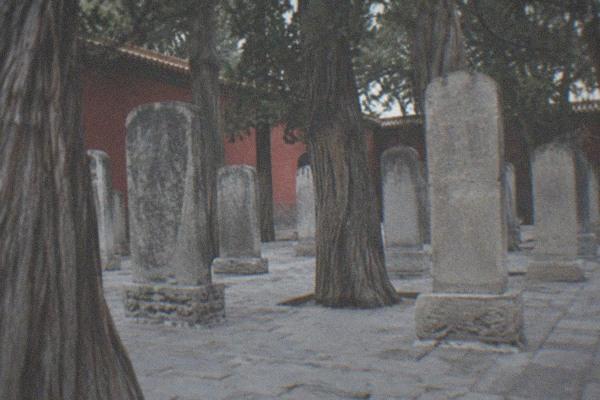
The question comes up constantly because the two halves look and feel like separate institutions. The Confucius Temple, with its stone stele pavilions and ancient cypresses, sits behind its own gate on Guozijian Street. The Guozijian, the highest imperial academy of the Ming and Qing dynasties, sits directly behind it, entered through the glazed-tile archway that is one of the most photographed structures in the hutongs north of the Lama Temple district. Visitors walking the street see two entrances, two names on the signs, and reasonably conclude there are two tickets.
There are not. The site operates as the Beijing Confucius Temple and Imperial College Museum, a single municipal museum with a single admission, and the ticket you buy at the door, CNY 30 for an adult, lets you walk the full circuit: the temple courtyards, the stele forest of the Jinshi inscriptions, the Biyong hall where the emperor once lectured, and the connecting gates between the two compounds. Local ticketing listings confirm the combined structure and the CNY 30 adult price, and the reservation requirement that goes with it.
That reservation requirement is the part worth planning around. Unlike some Beijing museums that open their booking windows a week ahead, this one opens just one day ahead, which makes it feel easier and in practice makes it easier, but it also means you cannot decide on the spur of the moment to walk in that same afternoon. The booking is real-name, tied to your identification document, and the museum follows the standard Beijing pattern of closing on Mondays except public holidays, a rule restored in September 2025 after a period when the closure schedule had shifted.
For foreign visitors, the practical question is whether the official channel, which runs through Chinese-language booking systems, is workable with a passport. Where the research confirmed passport support, this site says so plainly; where it did not, the honest answer is that a third-party reservation service, which books the official ticket under the passport details you supply, removes the language and system barrier for a service fee on top of the door price. Both routes result in the same official ticket.
What Does The Combined CNY 30 Ticket Actually Include?
The CNY 30 adult ticket includes full access to both compounds: the Confucius Temple with its stele pavilions and ancient cypress grove, and the Guozijian with its glazed archway, courtyard halls and the Biyong central pavilion. There are no separate add-on galleries, no paid inner halls and no second ticket for crossing between the two halves.
This is one of the few major imperial sites in Beijing where the door price is genuinely the whole price. Compare it with the Palace Museum, where the CNY 60 peak-season admission excludes the Treasure Gallery and the Gallery of Clocks, each a further CNY 10, or the Summer Palace, where the through-ticket and the inner halls are priced as separate layers. Here, the CNY 30 is flat. There is no exhibition surcharge, no hall-by-hall upsell, and no combination arithmetic to do at the gate.
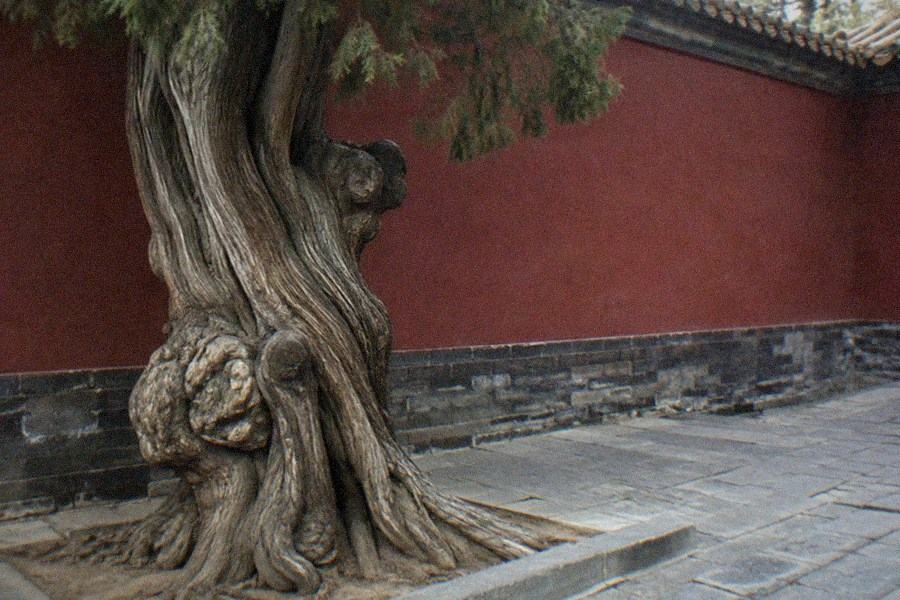
What you get for that CNY 30 is substantial. The temple half holds the Dacheng Hall, the main hall dedicated to Confucius, and the famous stele forest: hundreds of stone tablets carved with the names and ranks of jinshi, the scholars who passed the highest imperial examinations over five centuries of the Ming and Qing dynasties. The grove of ancient cypresses includes one tree popularly said to be over seven hundred years old, growing beside the hall where generations of candidates burned incense before their examinations.
The stele forest deserves a slower look than most visitors give it. Each tablet in the ranks records a single examination year, listing every successful candidate by name, home county and final rank, and together they form one of the most complete administrative records of the imperial examination system anywhere in China. Reading a few of the names, and noticing how many came from the southern provinces as the centuries advanced, tells the story of how the balance of scholarship and wealth shifted across the dynasty, all without a single explanatory placard.
The Guozijian half, reached by walking through the connecting gateways, is built around the Biyong, a circular hall on a square pond where the emperor delivered the state lecture, a ritual reenacted with ceremony in the Qing period. The glazed three-arch gate at the street entrance is one of only a handful of such archways surviving in Beijing, and the side halls now hold displays on the history of imperial education, examination papers, and the daily life of the students who lived and studied here.
| What | Where it sits | Included in the CNY 30 ticket? |
|---|---|---|
| Dacheng Hall and temple courtyards | Confucius Temple half | Yes |
| Jinshi stele forest | Confucius Temple half | Yes |
| Ancient cypress grove | Confucius Temple half | Yes |
| Glazed archway and main gate | Guozijian half | Yes |
| Biyong pavilion and pond | Guozijian half | Yes |
| Imperial education exhibition halls | Guozijian half | Yes |
The practical takeaway is simple: budget one ticket, one reservation, and roughly two hours, and you see the whole thing. There is no itinerary decision to make about which half to pay for, because there is no such choice to make.
How Do You Reserve A Ticket, And Can A Foreign Passport Use The Official Channel?
Entry requires a real-name reservation made at least one day before your visit, booked through the museum's official online channel. The window is short compared with Beijing's bigger museums, which open seven or more days ahead, so the planning pressure is lower but same-day entry is not possible. The door price remains CNY 30.
The one-day window is unusual in Beijing and mostly works in the visitor's favor. The Palace Museum opens its quota seven days ahead at 20:00, the National Museum of China seven days ahead at 17:00, and Prince Gong's Mansion ten days ahead at 20:00, each of which turns ticket booking into a calendar event. The Confucius Temple and Imperial College Museum asks only that you book the day before, which means a traveler with a loose itinerary can decide tomorrow's visit tonight.
The booking runs through the museum's official channel, which is a Chinese-language online system, and the reservation is real-name, meaning it is tied to the identification document you will present at entry. Local ticketing listings describe the timed-slot reservation and the one-day-ahead requirement in detail. For a foreign visitor, the honest position is that the official channel is in Chinese and that where passport compatibility was not confirmed in this site's research, no claim is made about it. What is confirmed is that a third-party reservation service exists, from $12, which books the official ticket under the passport details you provide and handles the Chinese-language system on your behalf. That is a service fee over and above the CNY 30 door price, not a different ticket: you still present the same passport at the same gate.
The surrounding street rewards the walk. Guozijian Street itself is one of the few Beijing hutongs preserved with its original archways at both ends, and the Lama Temple, a Tibetan Buddhist temple complex rather than a museum, stands a few minutes' walk east with its own CNY 25 admission and its own seven-day reservation window. The two sites pair naturally in a morning, but they are separate tickets and separate reservations, and the Lama Temple's closure day is not published, so check before building a day around it.
A word on timing within the day: the site is at its quietest in the first hour after opening and again in the late afternoon, and the stele courtyards are at their most photogenic in low morning light, when the shadows give the carved inscriptions depth. Weekend afternoons draw the heaviest local foot traffic, including school groups studying the examination history, so a weekday morning is the calmest slot for visitors who want to read rather than glance.
When Is The Museum Closed, And What Happens On A Monday?
The museum closes on Mondays, except public holidays, a schedule restored in September 2025. That makes Monday the single most important planning fact on this page: a visitor who arrives on a Monday finds the gates shut, while a visitor who books for any other day of the week, with a reservation made the day before, walks straight in.
The Monday closure is the near-universal rule for Chinese national and municipal museums, and this site follows it. The wrinkle here is historical: for a period the museum's closure schedule was in flux, and the standard Monday closure, with the public-holiday exception, was restored in September 2025. Beijing's government museum pages document the general Monday pattern across the city's museums, and the exception matters because on weeks containing statutory holidays the museum typically stays open on the holiday Monday itself.
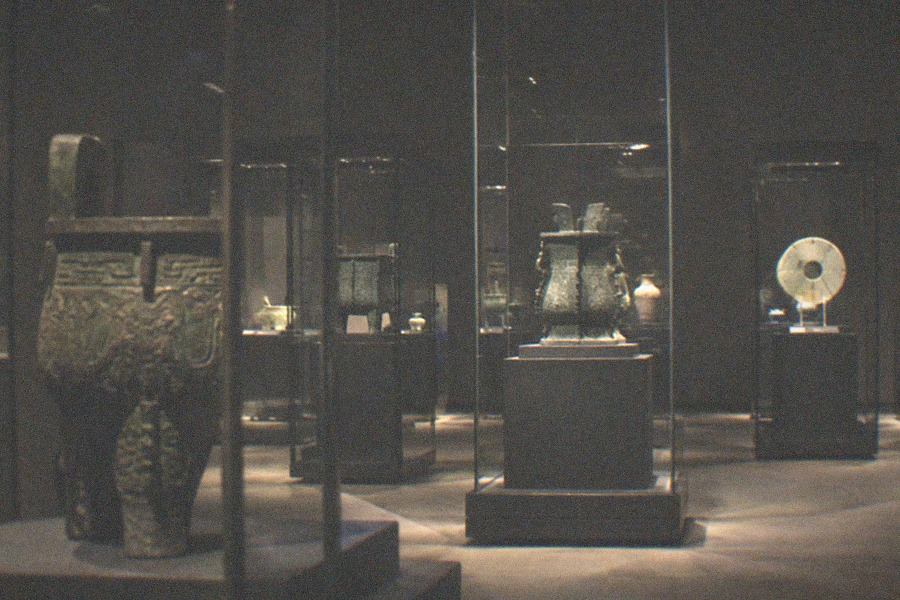
If your Beijing itinerary lands the wrong way and you have a Monday free, the city is not out of options. The Beijing museums open on Monday guide lists the venues that break the Monday rule, and the pattern is worth knowing: several walk-up sites, including the Capital Museum, which closes Tuesday instead, and the Guanfu Museum, which closes only over the Chinese New Year period, absorb Monday visitors well. The Capital Museum is free, requires no reservation, and accepts valid identification at the door, making it the easiest Monday fallback in the center of the city.
| Day | Confucius Temple and Guozijian | Practical note |
|---|---|---|
| Monday | Closed | Reopens Tuesday; holiday Mondays usually open |
| Tuesday to Sunday | Open with reservation | Book at least one day ahead |
| Public holiday Mondays | Usually open | Statutory holidays override the closure |
| Same-day arrival | No entry without a prior booking | Reservation is mandatory |
Pairing the closure rule with the one-day booking window produces the one genuine mistake this site can help you avoid: deciding on Sunday evening to visit on Monday. The reservation system would happily sell you a slot for Tuesday, but the museum would be closed on the day you planned. Book for the day you will actually stand at the gate, and check the calendar for holidays before assuming a Monday closure.
How Long Does A Visit Take, And How Does The Site Fit A Beijing Itinerary?
Most visitors spend between one and two hours on the combined site, walking the temple's stele courtyards and the college's halls at a steady pace. The single ticket means there is no decision about doing one half today and the other tomorrow, and the location, on Guozijian Street beside the Lama Temple, slots naturally into a half-day in the Dongcheng hutong district.
The circuit runs logically from the temple gate to the rear halls of the college. A slow visitor reads stele inscriptions, studies the exhibition halls on imperial examinations, and pauses in the cypress shade; a fast visitor walks the central axis in under an hour. Families with children tend to spend longer in the Guozijian's education displays, where the story of how students lived, ate and sat their examinations is told in reconstructions and artifacts, and the whole site is compact enough that no one needs to choose between the halves.
For itinerary builders, the geography does the work. The site sits in Dongcheng, a short walk from the Lama Temple and the Yonghegong subway area, and the 3-day Beijing museum itinerary places it on a day that also covers the Imperial College's neighbors. The history museums in Beijing guide groups it with the National Museum of China and the Capital Museum as the city's core history stops. A traveler with a full day in Dongcheng can manage the Confucius Temple and Guozijian in the morning, the Lama Temple before lunch, and the hutong lanes of the area in the afternoon, all without crossing the city twice.
The Beijing Museum Pass is worth a mention for repeat visitors: the 2026 edition covers roughly 140 venues at CNY 120 and admits two people across the year, and pass holders should check the current edition's venue list for whether this site is included before counting on it. There is no Beijing CityPASS, and any product sold under that name is not the museum pass.
Is The Site Worth The Reservation Effort Compared With Beijing's Bigger Museums?
For most visitors, yes. The CNY 30 flat ticket, the one-day booking window and the two-hour visit length make it one of the lowest-friction imperial sites in the city, while the stele forest and the Biyong hall deliver history that the larger palaces do not. The trade-off is scale: this is a quiet, compact museum, not a full-day destination.
The comparison with the headline sites is instructive. The Palace Museum demands a booking seven days ahead at 20:00, sells no same-day tickets at all, states in writing that it has authorized no third-party ticket agents, and fills most of a day; its affiliate products are reservation services that book the official ticket under your passport details, refundable if the official quota sells out first. The National Museum of China is free but requires a reservation seven days ahead at 17:00 and closes Monday. Against that backdrop, the Confucius Temple and Guozijian asks for a booking made the evening before and a modest door price, and it delivers a concentrated dose of imperial education history in a district full of other things to see.
The stele forest is the part that stays with visitors. Hundreds of stone tablets, each carved with the names of a year's successful examination candidates, line the temple courtyards in ranks, and reading even a few of them connects the site to the human machinery of the imperial state in a way palace halls do not. The Biyong, the emperor's lecture pavilion set on its square pond, is the architectural centerpiece, and the exhibition halls explain the examination system that shaped a thousand years of Chinese civic life.
For a fuller treatment of how the reservation system works across every venue in the city, including which museums take walk-ups and which windows open at which hour, the how to book Beijing museum tickets guide is the reference page, and Beijing Museums keeps a full roster of all 31 venues with their door prices, booking windows and closure days.
Common Questions About Confucius Temple And Guozijian Tickets
Do The Confucius Temple And Guozijian Need Two Separate Tickets?
No. The two halves operate as one museum with one combined admission ticket, CNY 30 at the door, covering the temple, the stele forest, the glazed archway and the Imperial College halls. A real-name reservation made at least one day ahead is required for entry.
Can you buy a ticket at the gate on the day?
No. Entry requires a real-name reservation made at least one day before the visit, so same-day walk-up purchase is not possible even though the door price is CNY 30. Book the evening before through the official channel or a reservation service.
Is the Confucius Temple and Guozijian Museum open on Mondays?
No, it closes on Mondays except public holidays, a schedule restored in September 2025. On statutory holiday Mondays the museum usually opens. Every other day of the week is available with a reservation.
How much does the combined ticket cost?
The adult door price is CNY 30, and it is flat: there are no add-on galleries or inner halls priced separately. A third-party reservation service charges from $12 to book the official ticket under your passport details.
How far ahead does the booking window open?
One day, which is the shortest window among Beijing's major imperial sites. The Palace Museum opens seven days ahead at 20:00 and Prince Gong's Mansion ten days ahead, so this site is the easiest of the three to fit into a loose itinerary.
How long should you plan for a visit?
Between one and two hours covers both compounds at a steady pace. The site pairs well with the Lama Temple a few minutes' walk east, which has its own CNY 25 admission and separate reservation.