Do You Need A Separate Ticket For A Beijing Planetarium Show?
How Beijing Planetarium show tickets work: what the reservation covers, when the booking window opens, what a show ticket includes, and how to plan around the Tuesday closure.
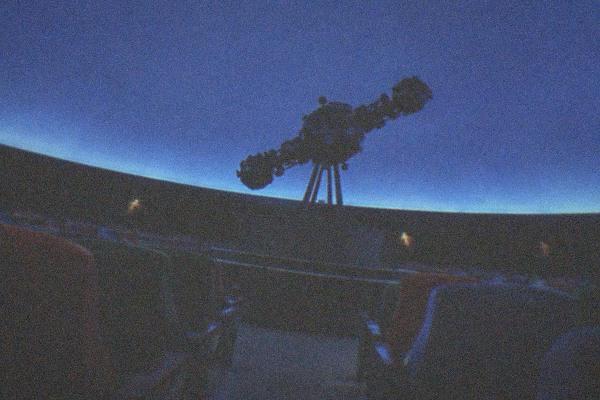
The Beijing Planetarium in Xicheng District runs on two separate ticket layers: entry to the exhibition halls, and seats in the dome theaters where the actual star shows happen. A visitor who reserves only the halls arrives, walks up to the theater door, and discovers the show they came for is a different purchase with its own quota, its own session times, and its own sell-outs. This is one of the most common planning mistakes at science venues in Beijing, and it happens because the word "ticket" gets used for both transactions.
The planetarium's own reservation system opens five days ahead, which is shorter than the seven-day windows at many of the bigger museums in the city. It closes on Tuesdays, except holidays, which is unusual: most Beijing museums close on Monday. Both facts shape any visit plan, and both are easy to miss if you are working from general Beijing travel advice rather than the venue's own published rules.
Do You Need A Separate Ticket For A Beijing Planetarium Show?
Yes. A show in one of the planetarium's theaters requires its own ticket, bought separately from exhibition hall entry, and each theater session is individually ticketed. The halls and the shows are different products with different quotas, so reserving the exhibition halls alone does not get you a seat in the dome. If the show is the reason for your visit, book that session first and treat the halls as the add-on.
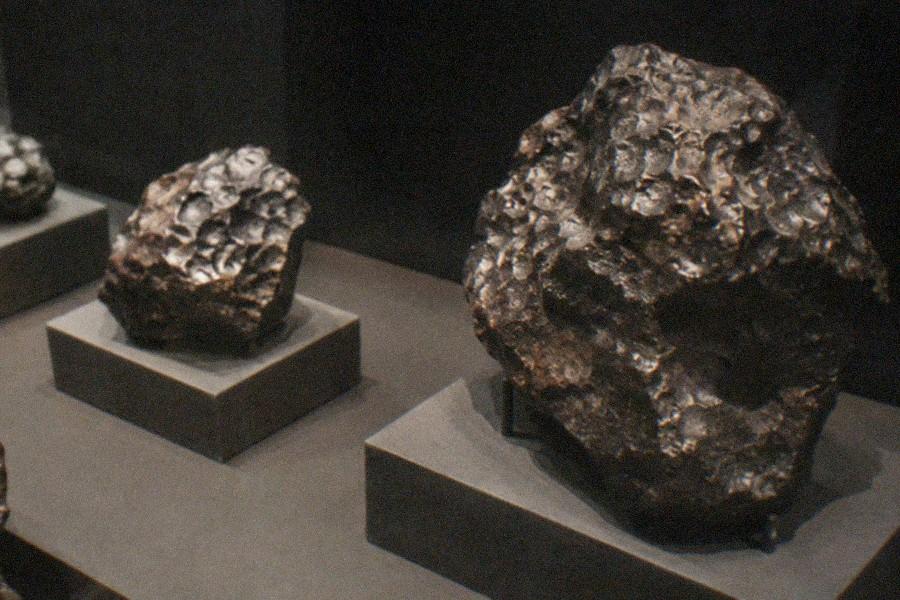
The split is structural, not a quirk of one season. The planetarium's complex on Xizhimenwai Street combines exhibition spaces, whose entry is a low-cost or sometimes free reservation, with purpose-built theaters: a large dome, a space theater, and 3D and 4D auditoriums that screen astronomy programs by session. Each theater runs a timetable of named programs at fixed times through the day, and each program is a separate admission. The venue's official pages describe the theaters and halls as distinct ticketed areas, and the booking flow treats them that way too, which is why the reservation channel asks you to choose a specific session, not just a day.
This is the same pattern used at the major science venues in the city. The China Science and Technology Museum in Chaoyang, for comparison, sells its main exhibition hall, its children's science area, and its giant-screen, dome, 4D and motion theaters as separate tickets by session, and its own official questions-and-answers page spells that out. If you have been to either venue with children, you have probably already encountered the arithmetic: one family, four ticket types, several session choices. The planetarium is simply the astronomy-focused version of the same model.
For a foreign visitor, the practical consequence is sequencing. Because the window opens five days ahead and popular weekend sessions can fill, the show ticket is the thing to grab first, and the exhibition halls can be added around it. A reservation service can handle the Chinese-language channel for you; the listing for the Beijing Planetarium on this site starts from $11 and books the official reservation under the passport details you supply. That price is the service's fee, not a planetarium door price, and the two should never be confused.
If you are building a science-themed day or weekend in Beijing, the three venues above are the natural set: the planetarium for the dome shows, the science and technology museum for hands-on halls and theaters, and the Zhoukoudian Peking Man Site Museum in Fangshan for paleoanthropology, which works as a half-day trip out of the center. Each has its own reservation window and its own closed day, so check the details per venue before locking a date.
How Does The Beijing Planetarium Reservation System Work?
The Beijing Planetarium requires an advance real-name reservation, and individual tickets open five days ahead of the visit date. Foreign visitors are part of the same real-name system, and the venue's reservation channel is run through its official WeChat presence and online platform. Walk-up entry is limited, so treat the reservation as mandatory rather than optional.
The five-day window is the number to plan around. The Palace Museum opens seven days ahead at 20:00, the National Museum of China seven days ahead at 17:00, and the planetarium's shorter window means less runway between the moment slots release and your visit. For a traveler with fixed dates, that means setting a reminder five days out and booking on the release day, especially for weekend sessions. The venue's official announcements, published on its site at www.bjp.org.cn, are the place to confirm the current window before you commit, because release times and quotas shift with seasons and special programs.
The reservation itself is real-name, like nearly every major venue in the city. Twenty-two of the thirty-one museums and heritage sites covered by this site require an advance reservation, and only six take genuine walk-ups; free admission almost never means walk-in entry in Beijing. The planetarium sits firmly in the reserved majority. When the reservation is made through a third-party service, the service books the official ticket under the passport details you provide, and you present that same passport at the entrance. There is no paper ticket to collect in most cases: the passport is the credential.
One planning note that surprises people: the planetarium closes on Tuesday, except holidays, not Monday. That is the same closed day as its sister site, the Beijing Ancient Observatory in Dongcheng, which the planetarium's organization also runs and whose reservations open five days ahead too. If your Beijing itinerary concentrates museums on Monday assuming everything is shut, the planetarium is the venue that breaks the pattern, and the Observatory makes a natural same-theme pairing on a different day. The planetarium's official reservation pages cover both.
| Venue | Reservation window | Closed day | District |
|---|---|---|---|
| Beijing Planetarium | Opens 5 days ahead | Tuesday (except holidays) | Xicheng |
| Beijing Ancient Observatory | Opens 5 days ahead | Tuesday (except national holidays) | Dongcheng |
| China Science and Technology Museum | Opens 7 days ahead at 18:00 | Monday (except statutory holidays) | Chaoyang |
| Zhoukoudian Peking Man Site Museum | Opens 7 days ahead at 17:00 | Monday (except national holidays) | Fangshan |
The table is worth reading twice when you are stacking venues on consecutive days. A Tuesday planetarium visit followed by a Wednesday science museum trip works; the reverse order can leave you standing in front of a Monday-closed museum with a Tuesday-closed planetarium already behind you. If you are planning a fuller route around the city, the guide to a three-day Beijing museum itinerary sequences the major venues by district and closed day.
What Do You Actually Get With Each Ticket Type?
An exhibition hall ticket gets you into the planetarium's display galleries, which cover astronomy, space science, and historic instruments. A show ticket gets you a seat in one specific theater session, such as the dome or space theater, at a fixed time. Neither ticket includes the other, and theaters are priced per session, so a family doing both buys both.
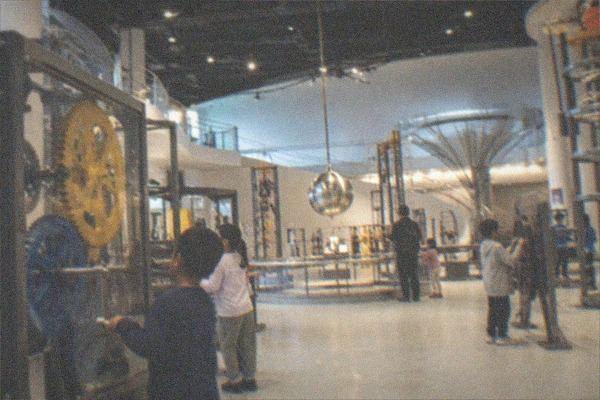
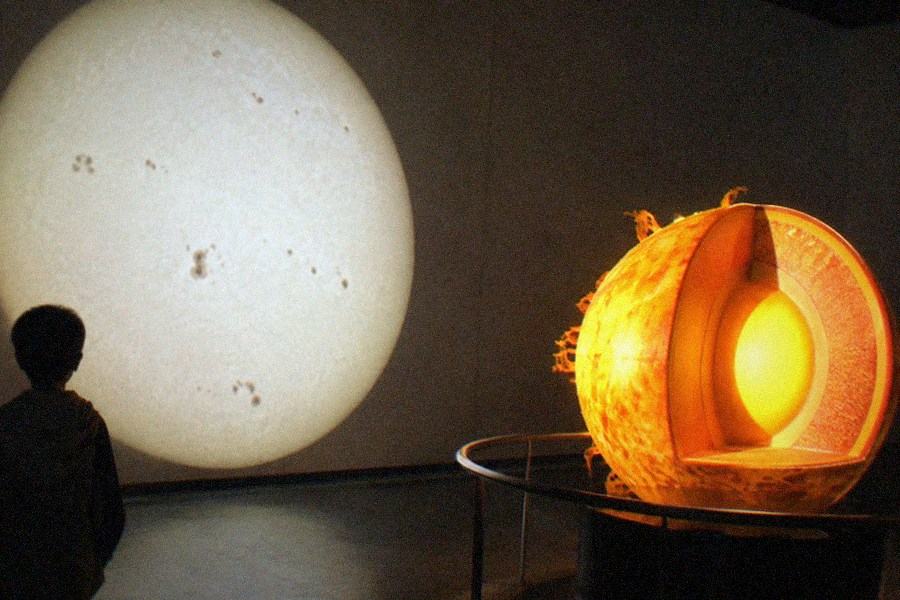
The halls are the quieter half of the visit and should not be skipped. The permanent exhibitions walk through the solar system, the history of Chinese astronomy, and the instruments that made Beijing one of the world's long-running centers of sky observation, a thread that continues across town at the Ancient Observatory with its Ming and Qing era instruments on the rooftop platform. For visitors with children, the halls are the part of the planetarium you can move through at your own pace, while the show is a fixed-duration seated program in Chinese. That language point matters: the dome programs are narrated in Chinese, and while the visuals carry much of the experience, a family expecting an English narration should know what they are buying. The full index of guides sits on Beijing Museums.
The shows are the headline. A dome projection program at a working planetarium is a different experience from watching a screen: the sky rotates over you, the star field has depth, and the session length is typically under an hour, which makes it easy to pair with the halls in a single visit. Because each session is separately ticketed and session capacity is fixed, the show is the scarce product. When the release day comes, book the session first, then decide how much hall time you want before or after it.
Budgeting is straightforward once you accept that the prices are two separate transactions. The reservation service listed on this site starts from $11, which is the service's charge for handling the official booking, not the venue's own pricing; the venue's door pricing for halls and individual shows is published through its own channel and varies by program and by hall. Never average the two figures or treat one as the other: the $11 is what the booking service costs, the door figures are what the planetarium charges, and any article that merges them is describing a transaction that does not exist.
A practical way to think about the money: the halls are cheap, the shows cost more per person, and the service fee sits on top of whichever product you book through it. A couple doing one show and the halls is buying three admissions in effect, two show seats and two hall entries, plus one service fee if they use one. A family of four multiplies the show price fastest, since every seat in the theater is a paid seat, while hall entry for younger children is often discounted or free at Chinese science venues for eligible groups. The planetarium's own published concession rules, like those at every venue in the city, apply to specific categories such as young children with an adult, seniors, and holders of relevant ID, and those groups must still reserve even when the ticket itself is free.
For visitors who want the reservation handled without a Chinese-language WeChat flow, the card above links to the live listing for the planetarium booking service. You supply passport details, the service makes the real-name reservation in the official system, and you carry the passport on the day.
Is The Beijing Planetarium Worth It For Foreign Visitors?
For most foreign visitors, yes, if a show is booked and the language expectation is set. The halls are visual and largely self-explanatory, the dome experience does not depend on understanding the narration, and the venue sits in central Xicheng near subway connections, making it one of the easier science venues to reach. The friction point is the reservation channel, which is built for a domestic audience.
The reservation friction is real but solvable. Beijing's real-name systems generally accept a foreign passport where the research for this site confirmed it, and 2025 and 2026 traveler reports describe the major official channels as workable with a passport, while noting that some free museums are genuinely difficult because of demand and system quirks rather than passport rejection. The planetarium's own channel is WeChat-centric, which is where a booking service earns its fee: not because the ticket is special, but because the interface is Chinese-language and the session picker moves fast on release day.
There is a second layer of friction that gets less attention: payment. Chinese mini-programs historically assumed a linked Chinese bank card, and while the major payment platforms expanded foreign card support through 2024 and 2025, a traveler who has not set up Alipay or WeChat Pay before arrival can find even a straightforward booking stalled at the payment step. This is a general Beijing problem, not a planetarium one, but it is the reason booking services exist and why their fee is often money well spent for a short trip. A visitor in the city on the 240-hour visa-free transit, with no Chinese phone number and no local account, is exactly the traveler these services are built for.
The venue's location helps its case. It sits at 138 Xizhimenwai Street in Xicheng, one of the most connected parts of the city, and it pairs naturally with the Beijing Zoo area and the Capital Museum, which is free with walk-up entry and closed Tuesday, the same day the planetarium closes. That makes a Tuesday a bad science day but a good west-side museums day if you flip it: Capital Museum on Tuesday, planetarium on Wednesday. Visitors planning around the city's free museums generally should read the guide to free museums in Beijing, which separates the genuinely walk-in venues from the free-but-reserved ones.
For families, the planetarium is one of the stronger picks in the city alongside the science and technology museum. The children's angle at the planetarium is the show schedule and the hands-on galleries; the science museum adds its children's science paradise, aimed at ages three to eight with a paying adult, split into morning and afternoon sessions that are ticketed separately. A parent deciding between the two can reasonably do the planetarium for one visit and the science museum for another, and the guide to Beijing museums with kids breaks down which venues suit which ages.
How Should You Plan The Day Around The Show?
Book the show session on the day the five-day window opens, add the exhibition halls around it, and keep the whole visit to a half day. Arrive early enough to clear security and find the correct theater, since sessions start on a fixed schedule and latecomers cannot swap into the next one without a new ticket. Tuesdays are out entirely, except holidays.
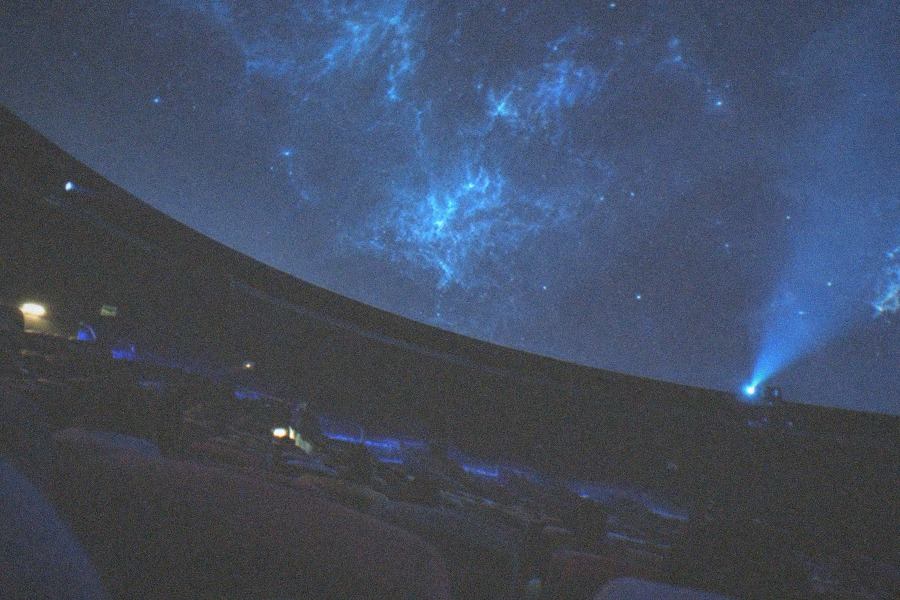
The half-day shape works because the planetarium is compact compared with the city's mega-museums. A show session plus an unhurried pass through the halls fits a morning or an afternoon, leaving the rest of the day for a nearby venue. Two natural pairings stand out. The Ancient Observatory in Dongcheng, the planetarium's historic sister site with a CNY 20 door price and the same five-day window, makes a same-theme double, though its own channel is the only way in, with no third-party product anywhere. And the National Natural History Museum of China, free with a reservation opening three days ahead at 11:00 and closed Monday, sits in the same broad central zone for a science-themed afternoon.
Timing the arrival matters more than at a hall-only museum. A show ticket is for a named session at a named time, and the doors to the theater close when the program starts, because a dome projection in progress cannot be entered mid-way without ruining the dark adaptation of everyone already seated. Build in twenty to thirty minutes for the entrance security check and for finding the right auditorium inside the complex, since the planetarium's buildings are separate structures and the walk between them eats time with children in tow. If your session is in the morning, aim to be at the gate when the venue opens; if it is in the afternoon, a morning at a nearby venue works as long as you leave a comfortable buffer.
If you are widening the trip beyond the center, Zhoukoudian deserves the slot. The Peking Man Site Museum in Fangshan is a day trip, outside central Beijing, with a CNY 30 door price, a reservation window opening seven days ahead at 17:00, and a Monday closure. A reservation service for it starts from $13. It is the city's paleoanthropology landmark rather than an astronomy one, but for a visitor building a science week, the planetarium plus Zhoukoudian plus the science museum covers sky, bones, and hands-on engineering in three visits.
One budget tool to know about before booking anything: the Beijing Museum Pass is real, and there is no Beijing CityPASS. The 2026 edition of the pass covers about 140 venues at CNY 120 and admits two people across the year, per the official launch announcement on the Beijing municipal government's English site. Check the current year's venue list for whether the planetarium's halls are included; passes of this type typically cover exhibition entry rather than separately ticketed theater sessions, which is exactly the distinction this article is about.
Common Questions About Beijing Planetarium Show Tickets
Do You Need A Separate Ticket For A Beijing Planetarium Show?
Yes. Theater shows are ticketed separately from exhibition hall entry, and each show session is its own admission with a fixed start time. Reserve the show first, then add hall time around it.
How many days ahead does the Beijing Planetarium booking window open?
Individual reservations open five days ahead of the visit date. That is shorter than the seven-day windows at many Beijing museums, so book promptly once slots release, especially for weekend show sessions.
What day is the Beijing Planetarium closed?
Tuesday, except holidays. This is unusual: most Beijing museums close on Monday. The Beijing Ancient Observatory, run by the same organization, also closes on Tuesday.
Can a foreign visitor book Beijing Planetarium tickets?
Yes, through the same real-name reservation system, using a passport as the identity document. The official channel is Chinese-language and WeChat-centric, so many foreign visitors use a booking service that makes the official reservation under their passport details.
Does the $11 price on this site mean planetarium entry costs $11?
No. The $11 figure is what a third-party reservation service charges to book the official ticket for you. The venue's own door pricing for halls and shows is published separately through its official channel and is a different transaction. The two figures are never mixed or converted.
Is the Beijing Planetarium good for kids?
Yes. The dome shows and the hands-on exhibition halls suit school-age children well, though the show narration is in Chinese and the visuals carry the experience. For younger children, the China Science and Technology Museum's children's area, aimed at ages three to eight, is the stronger pick.