What Does A Summer Palace Through-Ticket Include?
What the Summer Palace through-ticket includes, what costs extra, and how the reservation system works.
What Does A Summer Palace Through-Ticket Include?
A Summer Palace through-ticket includes general entry to the palace grounds and gardens, but it does not include every paid hall by default. The gate price is CNY 30, and the third-party listing this site links starts at $14 per person with a 4.7 rating across 1,144 reviews. You must reserve in advance, though the booking window is not published.
The Summer Palace sits in Haidian District and operates as an imperial garden and palace compound rather than a conventional collection museum. That distinction matters, because most Beijing museum guides from Beijing Museums assume a venue has a free or paid general entry and a single exhibition route. The Summer Palace does not fit that model neatly. The official gate ticket gives access to the open park and its main paths, while individual halls and dedicated exhibitions can carry their own restrictions, and the paid halls close on Monday except public holidays. The third-party product linked on this page is not a separate attraction pass. It is a reservation service that books the official ticket under the passport details you provide, then releases confirmation in line with the venue's own system. The listing price starts at $14 per person, which is separate from the CNY 30 gate price and covers the service of securing a timed entry slot, not a discounted entry.
The word through-ticket creates confusion because at some Beijing venues it means one ticket for a compound's several paid halls, while at the Summer Palace it really refers to the linked entry service that gets you past the gate. Travelers reading a guide written for another city often assume a through-ticket includes audio guides, boat rides, or exclusive hall access. The Summer Palace does not publish a simple menu of those add-ons in the research this site uses, and the listing itself does not promise them. Before comparing it to another imperial compound, it is worth seeing how a Temple of Heaven through-ticket is structured, because the two products use the same all-in-one language but do not always mean the same thing. You can read what a Temple of Heaven through-ticket includes for that comparison.
The passport detail is the part travelers most often skip. Because the venue uses real-name registration, the name on the reservation must match the document you carry. If two people book under one listing, the service needs each person's passport name and number exactly as they appear on the document, not the shortened names used in email. This is the same real-name rule used at the Forbidden City and the National Museum of China, which is why the reservation window matters even when the price is modest.
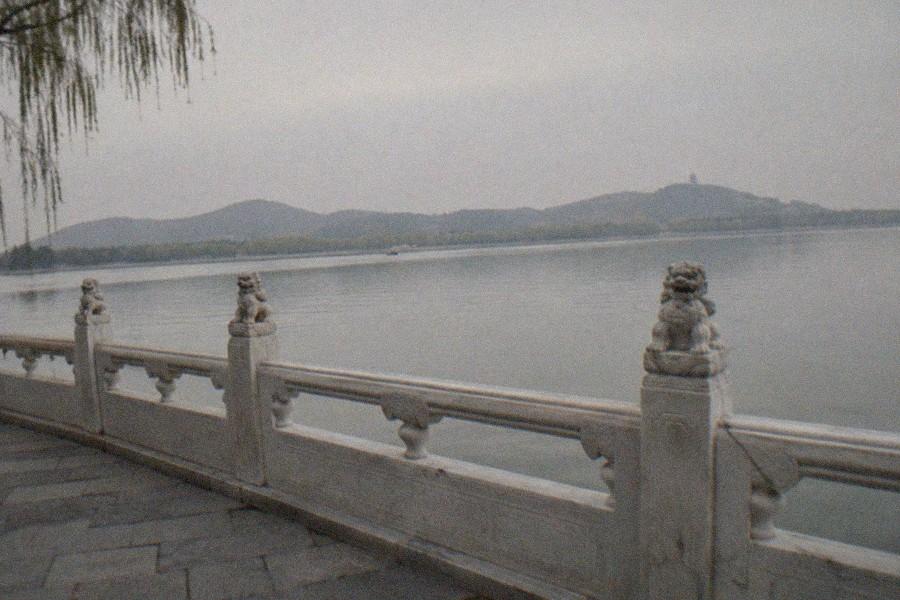
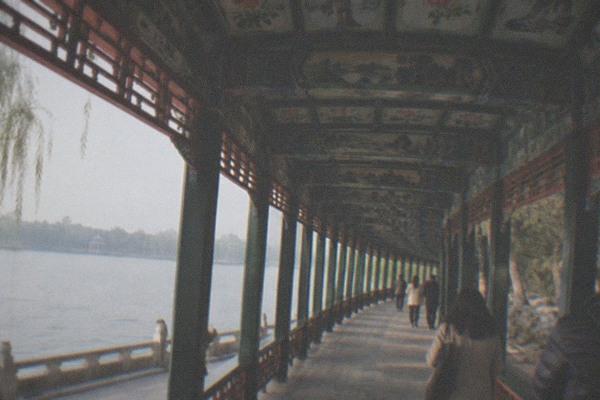
What a through-ticket does not mean is that you have bought every corner of the Summer Palace. The name comes from the idea of a linked or bundled visit, but the Summer Palace's official selling point is the landscape, the lake, and the long covered walkways, not a fixed list of galleries. Travelers who expect a single ticket to open the Tower of Buddhist Incense, every temple hall, and a boat ride are often surprised. Hall-specific details are not published in a simple price list, and the inner halls such as the Tower of Buddhist Incense close on Monday except public holidays. Because the booking window is not published, the reservation itself is the part to solve first, not the add-ons. A visitor who has booked through a third-party listing should still bring the exact passport used at checkout. The reservation service will book the official ticket under those details and you enter by matching them at the gate. This is the same real-name pattern used at the Forbidden City and the National Museum of China, which is why Beijing's booking system is often more important than the ticket price itself.
What Does The General Admission Actually Cover?
The general admission ticket covers the Summer Palace park, its open paths, and the main viewing areas, but not the inner halls by default. The roster lists a CNY 30 door price and a third-party listing from $14 per person, with 4.7 stars from 1,144 reviews. The paid halls close on Monday except public holidays.
The most useful way to approach the Summer Palace is to separate three things: the park grounds, the paid halls, and the listing service that gets you inside. The park grounds are the core product. Visitors use them for walking the lakeside routes, crossing the bridges, and taking in the view of the palace complex from the water. The official entry price is CNY 30 at the venue, a figure that does not include any third-party booking fee. Because the listing this site links is a reservation service, its price starts at $14 per person, not because the venue charges $14, but because the service charges for arranging the official timed entry under your details.
The 4.7 from 1,144 reviews stands out because it is the largest review base among the imperial ticket products in the roster, and that volume matters when you are trying to gauge whether the listing's reservation service actually works. A listing with many reviews has processed many passport bookings, which means its instructions for the name and document number are likely to be explicit. That does not remove the risk of a sold-out date, because the official quota still decides, but it does mean the booking flow is well tested. The general admission gate itself remains CNY 30, a fact that never changes even if the listing runs a promotion, because the two figures are for different transactions.
| Ticket element | What the roster records |
|---|---|
| General admission gate price | CNY 30 |
| Third-party listing price | From $14 per person |
| Rating | 4.7 from 1,144 reviews |
| Reservation | Required |
| Booking window | Not published |
| Monday closure | Inner halls such as the Tower of Buddhist Incense closed except public holidays |
The rating on the live listing is 4.7 across 1,144 reviews, which puts the Summer Palace among the highest-volume imperial ticket products on this site. That review count matters because it reflects a listing that has handled many bookings, but it does not change the core fact that the listing is still a reservation service, not a separate museum pass. If you want the hall experience, you need to check the venue's own notices once you have reserved, because the listing does not itemize a separate Tower of Buddhist Incense ticket. The table above keeps the venue's core facts in one place because the through-ticket itself is not a menu of attractions. It is a timed entry reservation, and the only price that matters before you arrive is whether the listing secures a slot on the date you want. The rating and review count are signals of how many travelers have used that listing, not guarantees of hall access.
Do You Need A Separate Ticket For The Tower Of Buddhist Incense?
The Summer Palace roster does not list a separate published price for the Tower of Buddhist Incense, so you should treat it as an inner hall rather than part of the general ticket. The inner halls close on Monday except public holidays. The gallery-specific access details are not published here, so the safest planning move is to reserve the core entry first, then ask the venue about hall access.
The Tower of Buddhist Incense is the landmark hilltop structure that dominates many Summer Palace photographs. It is also an inner hall, which means it follows the venue's Monday closure pattern along with the rest of the paid halls. What the general through-ticket gives you is access to the park and the main walking areas. The roster used by this site does not publish a separate ticket price for the tower, so it would be incorrect to say a through-ticket automatically includes it or to invent a price for it. The most honest guidance is that the through-ticket secures your entry slot, while any hall that requires its own ticket is handled separately once you are on site or through the venue's own channel.
The Monday closure pattern is easy to plan around once you understand it. The Summer Palace park itself stays open every day, so a traveler who only wants the lakeside walk can go on Monday morning and lose nothing. The paid halls are a different story, and the Tower of Buddhist Incense is the most famous of them, which means the best day for the full visit is any day except Monday unless a public holiday shifts the closure. Because the booking window is not published, the practical rule is to reserve first, then let the reservation date decide whether you can see the halls. If you pick a Monday slot, you are choosing the park and accepting that the tower may not be open.
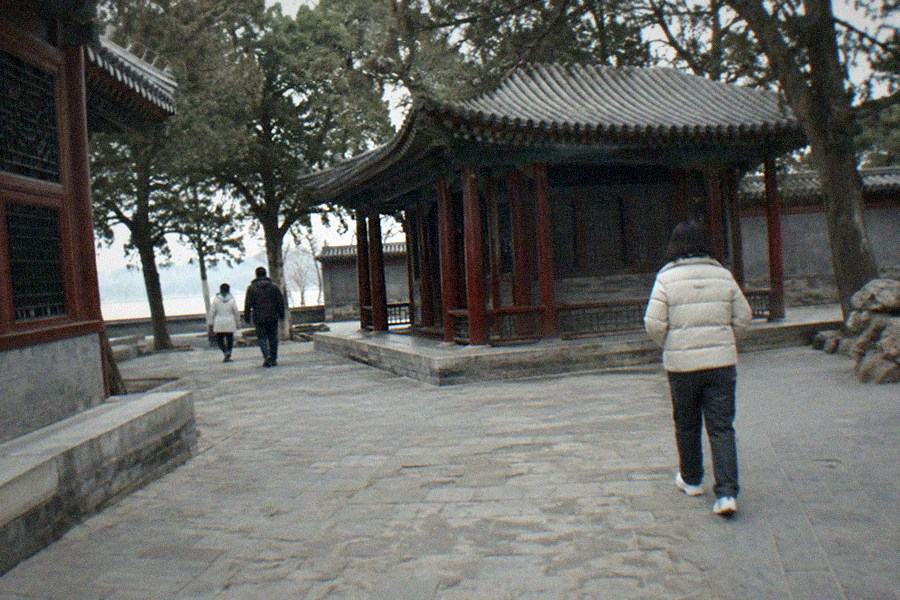
This is a common pattern across Beijing's imperial sites: the gate gets you in, and the single most expensive mistake is not the add-on but the Monday closure. The park itself is open daily, so a traveler who only wants the lakeside walk can go any day. A traveler who wants the halls should avoid Monday unless a public holiday changes the closure. For a wider list of which Beijing museums stay open on Monday, see which Beijing museums open on Monday.
How Far Ahead Do You Need To Book The Summer Palace?
The Summer Palace requires a real-name reservation, but its booking window is not published in the research this site uses. That means you cannot assume a seven-day release or a same-day walk-up. The only safe approach is to reserve as early as the listing allows and treat every date as subject to quota.
Beijing's reservation system is the real gatekeeper, not the ticket price. Across the 31 venues tracked by this site, 22 require an advance real-name reservation, and only 6 take genuine walk-ups. The Summer Palace falls into the reservation-required group, but its release window is not published, which is a clue that dates can open and sell out without a predictable pattern. The third-party listing on this page asks for your passport details at checkout and then uses those details to attempt the official reservation. If the official quota sells out first, the order can be cancelled and refunded, which is the standard risk on any listing that works as a reservation service rather than selling allocated inventory.
The 2026 Beijing Museum Pass is a separate product that covers roughly 140 venues at CNY 120 and admits two people across the year, but it is not the same as a Summer Palace through-ticket and it is not a CityPASS. If you are staying in Beijing for a week or more and plan to visit many smaller museums, the pass is a useful value, but for a single imperial park the third-party listing is the simpler route. The listing is also not a guaranteed allocation; it is a reservation service that books the official ticket under your passport details. If the official quota sells out before the service can complete the booking, the order may be cancelled and refunded, which is standard for this kind of product.
For a step-by-step look at how Beijing's booking windows actually work across all the major venues, read how to book Beijing museum tickets.
Beijing's official municipal museum pages describe advance reservation as the standard system across most major sites, and the official Beijing Museum Pass announcement confirms the pass program. That pass is a separate product from any third-party listing and covers many venues, but it still does not remove the need to reserve at places that require a timed slot. For the general reservation pattern, the Beijing government's museum information page is a useful official reference.
While a published window would tell you exactly when to log in and how fast to act, the Summer Palace currently gives no such certainty in the research used here. Travelers who wait until the night before should be prepared for the possibility that the slot is gone, especially during peak travel periods. The listing itself takes your details early and then works the official system, which removes some of the manual timing work but does not remove the quota risk.
Is The Summer Palace A Museum Or A Park?
The Summer Palace is not strictly a museum. It is an imperial garden and palace compound with a paid entry gate, which is why this site includes it in the imperial category but labels it plainly as not a conventional collection museum. The park grounds are open daily, and the paid halls close Monday except public holidays.
The site's roster lists the Summer Palace under the imperial theme, but it also carries the note that it is not strictly a museum. That means visitors should expect a landscape experience first, with historic halls and temples placed around the lake, rather than a gallery-by-gallery route. This matters when buying a through-ticket: the product is closer to a park entry with a reservation service than to a museum pass. The park's open grounds do not close on Monday, which makes it more flexible than the Forbidden City or the National Museum of China, whose full venue closes one day a week. The inner halls are the exception to that daily access.
Why this matters for your booking is that a conventional museum visitor expects a fixed set of galleries, while the Summer Palace visitor expects a landscape. The free museums in Beijing, such as the Capital Museum and the National Art Museum of China, open their doors on a reservation basis and close one day a week, but their product is the collection. The Summer Palace product is the compound, which is why the word museum is a loose fit. The venue's own identity is imperial park and palace, not exhibition hall, and that affects what the through-ticket can possibly include. No booking platform can convert a garden into a gallery, and no listing can promise hall access that the venue itself does not publish.
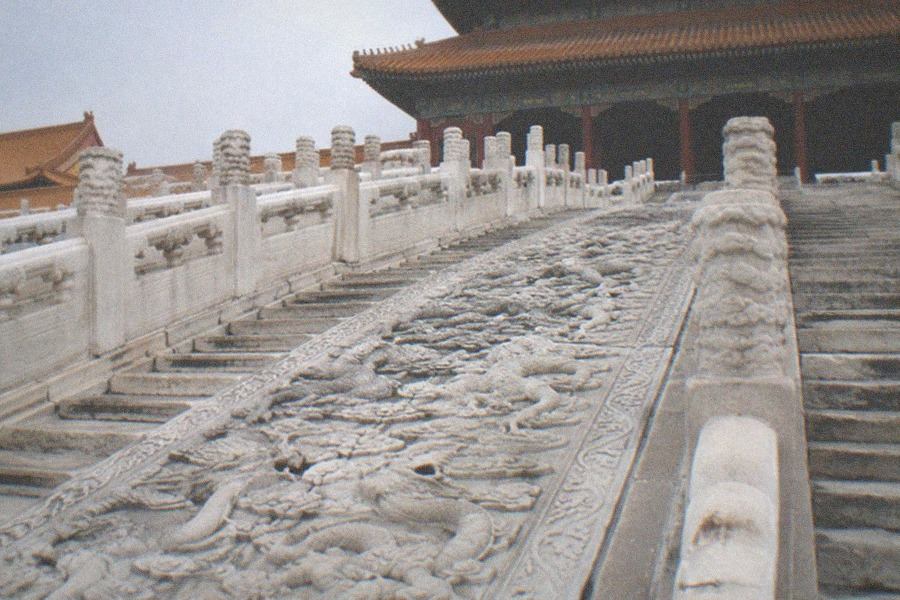
Because the Summer Palace is not a museum with a fixed exhibition list, the through-ticket question becomes easier to answer: it gives you access to the grounds and the right to be there at a reserved time, not a bundled set of exhibitions. The halls are a bonus where open and separately managed. That is the opposite of, say, a history museum where the ticket is tied to galleries and temporary shows. This distinction is the main reason the roster treats it differently from the Capital Museum or the National Art Museum of China, which are free museums, not paid parks. For the free museums that do work the conventional way, see free museums in Beijing.
How Does The Summer Palace Compare With The Forbidden City And Lama Temple?
The Summer Palace combines a 4.7 rating from 1,144 reviews and a listing price from $14 per person, with a CNY 30 gate price. The Forbidden City lists from $7 with a CNY 60 gate and a 4.5 rating from 655 reviews. Lama Temple lists from $10 with a CNY 25 gate and a 4.5 rating from 158 reviews.
These three imperial sites often sit together in a traveler's itinerary, and their ticket structures show why a through-ticket is not the same as a cheap ticket. The Summer Palace has the largest review base of the three, which may reflect both its long open hours and its park setting. The Forbidden City has the highest gate price at CNY 60 but a lower listing price from $7, because the third-party service there bundles under a smaller fee on a more expensive official ticket. Lama Temple sits in the middle: a CNY 25 gate and a $10 listing, with fewer reviews but still a solid 4.5.
The Forbidden City is the strongest contrast because it is a conventional museum-like palace with a strict Monday closure, a published seven-day booking window at 20:00, and a firm official warning that it authorizes no third-party agents. Those facts matter if you are choosing between the two: the Summer Palace is a park first, while the Forbidden City is a timed museum entry with no same-day walk-up. The reservation service for the Forbidden City is a separate product, and it carries the same passport-based booking pattern.
The reservation windows for the three imperial sites are also different. The Forbidden City releases tickets seven days ahead at 20:00, which is a fixed point you can put on a calendar. The Summer Palace's window is not published, which makes its booking less predictable. Lama Temple's closed day is unpublished, adding another layer. That contrast is useful for an itinerary: if you can only visit one site on a tight schedule, the one with a published window and a published closed day is easier to slot, even if its entry is stricter.
Lama Temple is worth comparing because it is the one imperial listing on this trio that is explicitly a temple, not a museum at all. Its entry gate is CNY 25, the listing starts at $10, and it holds a 4.5 rating from 158 reviews, but its closed day is unpublished in the roster. If your Summer Palace day is a Monday, Lama Temple may be more flexible only if the venue confirms it is open, which is not guaranteed. That uncertainty is a good reason to treat each imperial site's Monday rule separately rather than assuming all Beijing venues close on the same day.
The three sites also differ in what imperial means in practice. The Forbidden City is an enclosed palace complex with timed entry and no same-day tickets. The Summer Palace is a lake landscape with a gate fee. Lama Temple is a working temple with incense and worshipers. A through-ticket for one does not transfer to another, and the reservation for each is handled under its own rules. The Summer Palace's through-ticket, then, is not the most expensive imperial product, but it is the most park-like. If you want a morning of halls and timed entry, the Forbidden City fits. If you want a lake and long walks with a few halls as a bonus, the Summer Palace fits. If you want a temple atmosphere, Lama Temple fits. The trio works as a three-day imperial sequence only if you plan the closed days first.
The Summer Palace also sits near the Old Summer Palace, another imperial garden whose entry is much cheaper at CNY 10 and whose closed day is unpublished. If you are deciding between the two, the Summer Palace is the more substantial landscaping experience, while the Old Summer Palace is largely ruined and is not strictly a museum either. For a through-ticket question specifically, the Temple of Heaven is the closest structural comparison because it also charges a park entry and closes its paid halls on Monday. You can see how that venue's through-ticket works at the Temple of Heaven through-ticket explainer.
Common Questions About The Summer Palace Through-Ticket
What Does A Summer Palace Through-Ticket Include?
A Summer Palace through-ticket includes general entry to the palace grounds and park, but not every paid inner hall by default. The gate price is CNY 30, the third-party listing starts at $14 per person, and you must reserve in advance.
Is the Summer Palace a museum or a park?
The Summer Palace is not strictly a museum; it is an imperial garden and palace compound with a paid entry gate. The park grounds are open daily, while the paid inner halls close Monday except public holidays.
Do you need a separate ticket for the Tower of Buddhist Incense?
The roster does not publish a separate price for the Tower of Buddhist Incense, so it is safest to treat it as an inner hall that may not be included in general entry. The inner halls close Monday except public holidays.
How far ahead do you need to book the Summer Palace?
The Summer Palace requires a real-name reservation, but the booking window is not published. Reserve as early as the listing allows, because the official quota can sell out.
Is the Summer Palace open on Monday?
The park grounds are open daily, but the inner halls such as the Tower of Buddhist Incense close on Monday except public holidays.