Temple Of Heaven Tickets
Check Price & Availability →Opens the official listing with live dates and prices. Book there; nothing is charged on this site.
- Area
- Dongcheng
- Theme
- Imperial Beijing
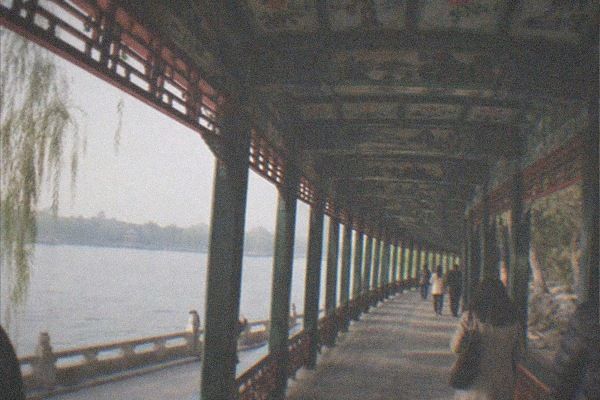
A triple-tiered circular hall of dark blue glazed tile stands at the centre of a walled park in Dongcheng: the Hall of Prayer for Good Harvests, raised on three tiers of white marble and built without a single nail or beam joint in its wooden frame. Emperors of the Ming and Qing dynasties came here twice a year to pray for grain, walking from the Forbidden City through gates that ordinary people could never pass. Today the park around the halls belongs to Beijing's morning routine, locals practising tai chi, playing cards and singing in the cypress groves, while the paid inner halls hold the architecture most visitors come for. The site sits on the city's historic central axis, south of the Forbidden City, and it is one of the largest imperial altar complexes still standing anywhere in China.
What Is The Temple Of Heaven?
The Temple of Heaven is an imperial altar complex in southern Dongcheng where Ming and Qing emperors performed the annual rites of sacrifice to Heaven, and it is now a UNESCO-listed park with paid entrance halls. It is not a museum in the gallery sense: the buildings themselves, and the ritual spaces around them, are the exhibit.
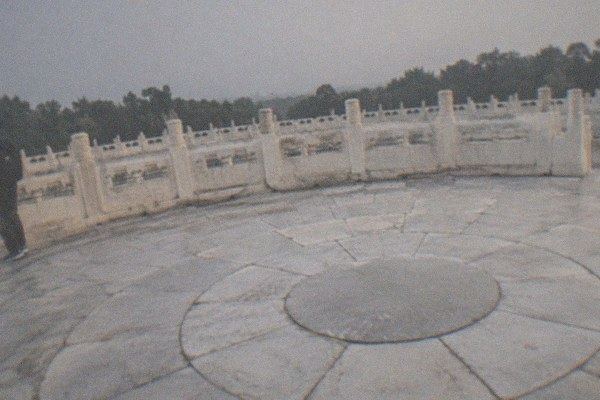
The complex was laid out in the early 15th century and rebuilt after a lightning fire in the 19th. Its geometry is deliberate: the northern wall is rounded to represent Heaven, the southern wall square to represent Earth, and the whole compound is roughly double the footprint of the Forbidden City. The two structures most visitors come for are the Hall of Prayer for Good Harvests at the north end and the Circular Mound Altar at the south, connected by a raised stone walkway called the Danbi Bridge.
The Hall of Prayer for Good Harvests is the icon, a 38-metre-tall wooden tower on a three-tiered marble base, its roof supported by 28 inner columns, each a single trunk of fir. The Circular Mumb Altar is the opposite kind of architecture: an open three-tiered platform of white marble with no building at all, designed so that the emperor stood at the geometric centre of the world when he addressed Heaven. Between them sit the Imperial Vault of Heaven, a smaller circular hall that once stored the spirit tablets, and the Echo Wall that surrounds it.
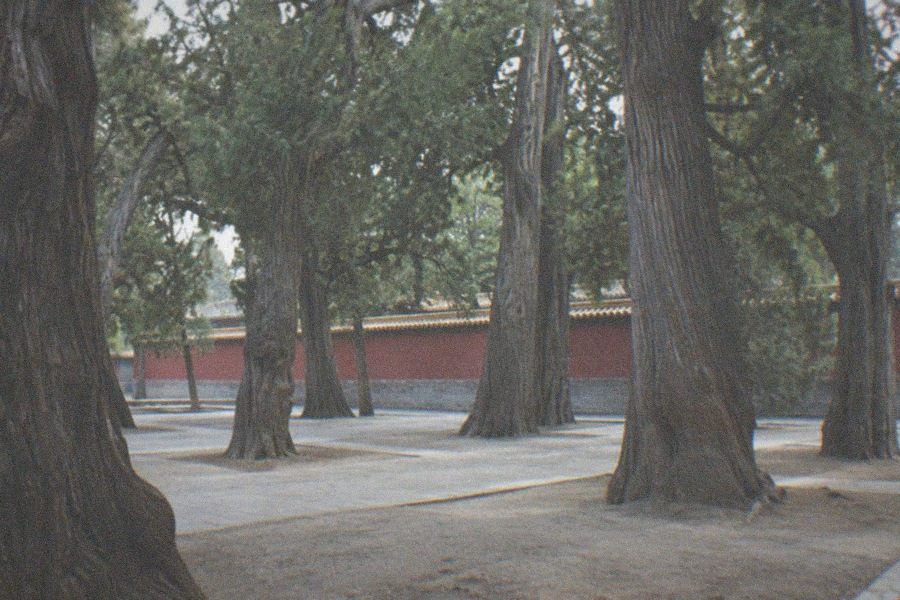
The park itself is free of the paid halls' formality. Locals arrive at dawn with thermoses and card decks, and the cypress groves, some trees over 500 years old, are the quietest part of a visit. If your interest is imperial Beijing more broadly, the site pairs naturally with The Palace Museum (Forbidden City), whose northern gate is a short walk from the axis this complex extends, or with Lama Temple (Yonghegong) for the religious side of Qing-era Beijing.
How Much Do Temple Of Heaven Tickets Cost?
The verified door price for the paid halls is CNY 34. That figure is what you pay at the venue itself, in Chinese currency, and it is the only admission figure published for this site. The surrounding park operates on a separate, cheaper basis, and the distinction matters for planning.
Beijing's municipal park system separates the park gate from the scenic inner halls at several imperial sites, and the Temple of Heaven is the clearest example. The CNY 34 ticket covers the paid halls, the Hall of Prayer for Good Harvests, the Imperial Vault of Heaven and the Circular Mound Altar. The park grounds around them are a municipal park with their own, lower entry charge. If you only want the cypress groves and the morning crowd, the park ticket is what you need; if you want the architecture, you need the halls ticket.
Because this is an affiliate venue on this site, a booking panel sits above this page and handles ticketing; check availability there before you travel. Do not read the CNY 34 figure as a guarantee of walk-up availability, the halls require an advance real-name reservation, covered in the next section, and a door price is not the same thing as same-day access.
| Ticket | Price | What it covers |
|---|---|---|
| Paid halls admission | CNY 34 | Hall of Prayer for Good Harvests, Imperial Vault of Heaven, Circular Mound Altar |
| Park grounds | Separate municipal park charge, lower than the halls ticket | Cypress groves, walkways, Danbi Bridge exterior, morning activity areas |
Two warnings about prices you may see elsewhere. First, any "Temple of Heaven or Summer Palace" product you encounter online sells a choice between two sites and guarantees entry to neither, its price is not this venue's admission price. Second, door prices are in CNY and third-party product prices are in USD; they are different transactions and are never interchangeable. The CNY 34 figure above is the only one this page stands behind.
Do You Need A Reservation To Enter?
Yes. The paid halls require an advance real-name timed reservation, and the booking window opens up to 7 days ahead of your visit. The time of day at which new slots release is not published by the park, so plan to book as early in the 7-day window as you can rather than waiting for a release hour.
Bookings are made through the Changyou Gongyuan (畅游公园) WeChat mini-program or the park's own ticketing platform, which is reachable via its official channel at https://www.bjgyol.com.cn/. The system is real-name: each ticket is tied to an identity document, and the document must match the person walking through the gate.
For foreign visitors the key question is whether a passport works in that channel, and here the answer is confirmed: a foreign passport is accepted for registration, for booking, and for the gate scan. You register with passport details, book the timed slot under those details, and present the same physical passport at the entrance. Bring the original document, a photo or a copy does not satisfy the gate check.
Because the release time of day is unpublished, there is no reliable strategy of waiting for a specific hour the way there is at some Beijing venues. The practical approach is to open the booking channel on the day your 7-day window opens and take the slot you want then. Popular slots, weekend mornings, and the pleasant-weather months, fill first, and statutory holiday periods fill fastest of all.
This reservation-first pattern is now the norm across the city's imperial sites. Prince Gong's Mansion opens its window 10 days ahead, The Palace Museum (Forbidden City) opens 7 days ahead at a fixed evening hour, and Lama Temple (Yonghegong) also works on a 7-day window. If you are building an imperial-Beijing itinerary, book the Temple of Heaven on the same day you book the others rather than treating it as a casual add-on.
When Is The Temple Of Heaven Open?
The park grounds are open every day of the year. The paid halls close on Mondays, except when a statutory holiday falls on a Monday, in which case they stay open. This split schedule is the single most common planning mistake at this site.
A visitor who arrives on a Monday can still enter the park, walk the grounds, see the cypress groves and view the halls from outside, but the doors to the Hall of Prayer for Good Harvests, the Imperial Vault of Heaven and the Circular Mound Altar will be shut. If the interiors are the point of your visit, treat Monday as a closed day and build your itinerary around it. The exception is statutory holidays, when the paid halls open as normal.
The exact daily opening hours of the halls are not carried in this page's verified record, so no times are printed here. What is verified and worth planning on: the reservation requirement, the 7-day window, the Monday closure pattern for the halls, and the park's daily opening.
| Fact | Detail |
|---|---|
| Area | Dongcheng |
| Address | 1 Tiantan Road, Dongcheng District, Beijing |
| Park grounds | Open daily |
| Paid halls closed day | Monday (except statutory holidays) |
| Reservation required | Yes, real-name timed booking for the paid halls |
| Booking window | Opens up to 7 days ahead; release time of day unpublished |
| Time to allow | Half a day for the halls and the park grounds at a comfortable pace |
Morning is the best window for a visit, both for the light on the Hall of Prayer for Good Harvests and for the park's own life, the tai chi groups, the card games and the singing in the groves thin out by midday. An early arrival also puts you ahead of the tour groups, which tend to hit the northern gate from late morning.
How Do You Get To The Temple Of Heaven?
The Temple of Heaven sits at 1 Tiantan Road in Dongcheng District, in the south-centre of Beijing, inside the area served by the city's subway network. It is a large walled park with gates on several sides, so which entrance you choose changes your walking route through the site.
The complex is big enough that entering at the wrong gate adds real distance: the Hall of Prayer for Good Harvests and the Circular Mound Altar sit at opposite ends of the compound, connected by the raised Danbi Bridge walkway. Most visitors enter at the north gate, closest to the Hall of Prayer, and walk south. Decide your route before you arrive rather than after.
For current line information, station exits and fare details, the Beijing Subway's own site at https://www.bjsubway.com/ is the authoritative source, and it carries the network map you should check when planning the journey. Dongcheng is one of the best-connected districts in the city, and the subway is the reliable way to move between this site and the other imperial venues in the district, the Forbidden City to the north, Lama Temple to the northeast, without gambling on surface traffic.
Taxis and ride-hailing work too, and are a reasonable option if you are travelling in a group or carrying small children, but for a single site-to-site day the subway is faster and immune to the congestion around Qianmen and the central axis. Whichever way you come, build in the walk inside the walls: the park is measured in hundreds of metres, not steps from the gate.
What Should You See Inside The Paid Halls?
Three structures make up the paid interior circuit: the Hall of Prayer for Good Harvests, the Imperial Vault of Heaven and the Circular Mound Altar. All three sit on one north-south line, and a single walk from the north gate to the south gate covers them in order.
Start at the Hall of Prayer for Good Harvests. The interior is the payoff: a gilded coffered ceiling above the great columns, the dragon-and-phoenix caisson at its centre, and the scale of a building assembled entirely from interlocking timber. Walk the marble terrace around it before going in, the view from the base, with the three blue-tiled roofs stacked against the sky, is the one most photographs try for and most visitors rush past.
From there, the Danbi Bridge carries you south through the cypress groves to the Imperial Vault of Heaven, the small circular hall that once held the spirit tablets used in the rites. Its surrounding Echo Wall gives the compound its most famous acoustic trick: a whisper spoken against the wall can carry around its curve to a listener on the far side. It works best in the quiet of early morning before the crowds arrive.
Finish at the Circular Mound Altar, the bare three-tiered marble platform at the southern end. Stand at the centre stone and you are at the point the ritual design treats as the centre of the world, the emperor spoke from here at the winter solstice sacrifice. There is nothing to go inside here, and that is the point: the architecture is the sky above the platform.
Allow half a day for the full circuit at a comfortable pace, longer if you want to linger in the park grounds, which cost nothing extra in time and are the part of the site most visitors underuse. If your appetite for imperial Beijing survives the walk, the Forbidden City and Lama Temple pages on this site cover the other two anchors of Dongcheng's imperial circuit, each with its own reservation rules, read all three before fixing your dates, because the booking windows differ and Monday closures overlap across the set.
Questions People Ask
How much does it cost to enter the Temple of Heaven?
The paid halls ticket is CNY 34 at the door. The surrounding park grounds are a separate municipal park with their own, lower charge. The CNY 34 figure covers the Hall of Prayer for Good Harvests, the Imperial Vault of Heaven and the Circular Mound Altar.
Do I need to book in advance?
Yes. The paid halls require an advance real-name timed reservation. Booking opens up to 7 days ahead through the Changyou Gongyuan (畅游公园) WeChat mini-program or the park's own ticketing platform. The time of day at which new slots release is not published, so book as early in the window as possible.
Can a foreign passport be used to book?
Yes. A foreign passport is accepted for registration, for booking and for the gate scan. Bring the original physical passport on the day, the document must match the person entering, and a photo or copy will not satisfy the gate check.
Is the Temple of Heaven closed on Mondays?
The park grounds are open every day. The paid halls close on Mondays, except when a statutory holiday falls on a Monday. If seeing the hall interiors is the point of your visit, treat Monday as a closed day.
How long should I allow for a visit?
Half a day covers the three paid halls and the park grounds at a comfortable pace. The complex is large, the Hall of Prayer for Good Harvests and the Circular Mound Altar sit at opposite ends, linked by the raised Danbi Bridge walkway, so allow more time if you plan to walk the full north-south circuit.
Where is the Temple of Heaven located?
At 1 Tiantan Road, Dongcheng District, Beijing, in the south-centre of the city. It sits on Beijing's historic central axis, south of the Forbidden City, and is served by the city's subway network, check current line and station details on the Beijing Subway's own site when planning your route.
What are the highlights inside?
The Hall of Prayer for Good Harvests with its gilded coffered ceiling and all-timber frame, the Imperial Vault of Heaven with its Echo Wall, and the Circular Mound Altar, a bare three-tiered marble platform where the emperor stood at the ritual centre point. All three sit on one line and can be walked in a single circuit.
Can I visit the park without a halls ticket?
The park grounds operate as a separate municipal park with their own lower entry charge, and they are open daily including Mondays. You can walk the cypress groves and see the halls from outside on any day, but the hall interiors require the CNY 34 halls ticket and an advance reservation.
Other Imperial Museums Worth A Look
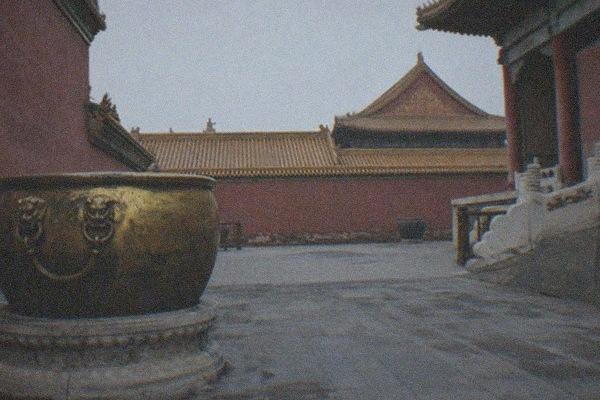
The Palace Museum (Forbidden City)
Dongcheng
from $7 per person, live price on the listing Check availability →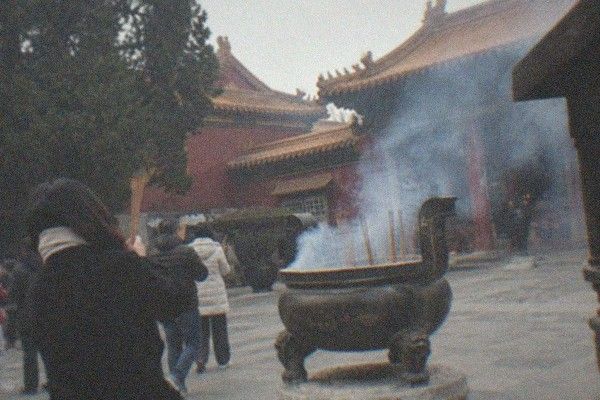
Lama Temple (Yonghegong)
Dongcheng
from $10 per person, live price on the listing Check availability →