Is The National Museum Of China Free?
Yes, general admission to the National Museum of China is free, but a real-name reservation is mandatory. Here is how the booking window works and what to do when slots run out.
Is The National Museum Of China Free?
Yes, general admission to the National Museum of China is completely free, and it has been for years. The catch is that free does not mean walk-in: the museum requires a real-name timed reservation for every visitor, the booking window opens 7 days ahead at 17:00 Beijing time, and the free quota for popular days can vanish within minutes of release. So the honest answer is free entry, paid in planning effort instead of money.
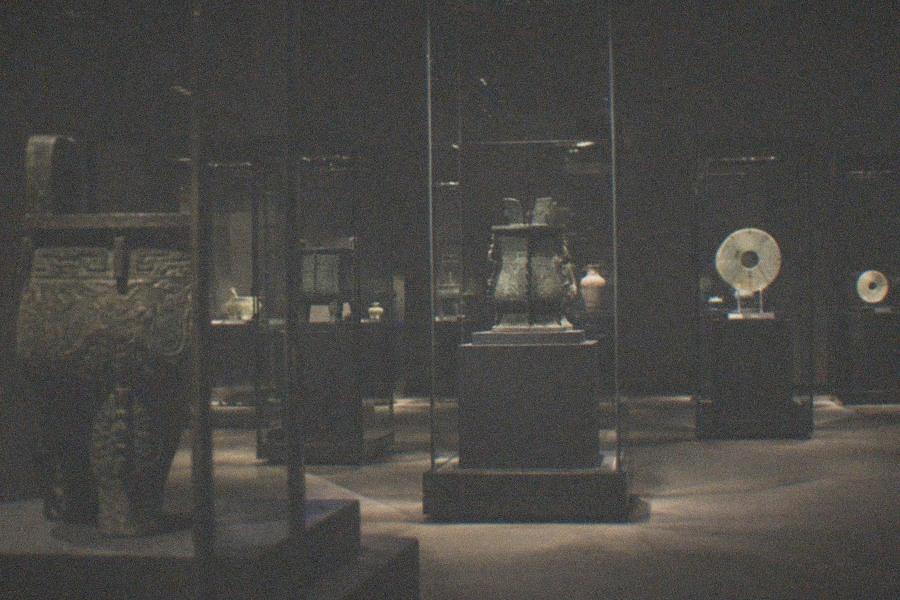
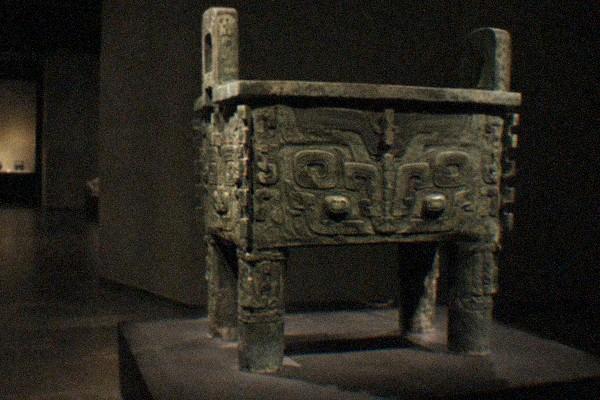
That tension is the whole story of visiting China's flagship history museum, which sits on the east side of Tiananmen Square in Dongcheng and ranks among the largest museums in the world by floor area. The building holds the Museum of Chinese History and the Museum of Chinese Revolution under one roof, with galleries running from Shang dynasty bronzes to twentieth-century revolutionary history. Nothing about the collection is gated behind a ticket price. Everything is gated behind the reservation system, which is where almost every frustrated review of a visit to this museum begins.
The museum publishes its entry rules on its own visit and reservation page, and the terms are unambiguous: free admission, real-name booking, one reservation per person per day. Foreign visitors book with a passport rather than a Chinese ID card, and the passport used at booking is the document checked at the door. There is no cash desk selling entry, because there is nothing to sell. The museum's position is that the reservation, not a ticket, is the admission.
For visitors who would rather not fight the release window at 17:00, a reservation service can book the official free ticket under your passport details in advance:
The practical question is therefore not whether the museum is free but whether you can secure a slot. The answer depends on when you try, which day of the week you want, and whether you are willing to be at a screen the moment the window opens. The rest of this article walks through the system as it actually behaves, including the workarounds when the free quota is gone.
How Do You Book A Free Ticket To The National Museum Of China?
You reserve through the museum's official WeChat mini-program, website or app, starting 7 days before your visit date at 17:00 Beijing time, entering your passport details for each visitor. Each person needs their own reservation, the passport used to book must be carried on the day, and there is no same-day walk-up channel for general visitors. If the day's quota is exhausted, the only remaining routes are rebooking another day or using a reservation service.
The booking window is the single most important number on this page. The museum releases slots 7 days ahead, and the release happens at 17:00 Beijing time each afternoon. That means if you want to visit on the 14th, your booking opens at 17:00 on the 7th. Visitors who discover this after arriving in Beijing often find that every day of their trip has already been claimed by people who set an alarm four or five days earlier. Weekend slots and holiday-period slots go fastest, and summer dates are the most competitive of all.
Foreign passports work in the official channel. The museum's system accepts a passport number for real-name registration, and this is one of the more foreigner-friendly systems among Beijing's big museums: no Chinese phone contract or domestic bank card is strictly required to complete the booking itself. The friction is competition, not eligibility. You will need your passport number to hand for every member of your group, spelled exactly as it appears in the document, because a mismatch between the booking and the document at the security gate is grounds for refusal.
The museum closes on Mondays, except statutory holidays, which is the standard pattern for Chinese national museums. A Monday closure catches an enormous number of visitors every week, because Monday is precisely the day many people slot a museum into an otherwise empty itinerary. Planning around the closure is straightforward: treat Monday as a day for parks, markets or the few venues that stay open, and give the National Museum any other day of the week. The Beijing museums open on Monday guide lists the alternatives if your trip lands on the wrong day.
A pay-what-you-want walking tour also passes right by the museum. The Beijing Historic Free Walking Tour follows the Central Axis from Liulichang antiques street up through Qianmen toward Zhengyang Gate, tracing the line the museum sits beside, and the wider Beijing free-walks hub lists the other verified English walks, including a bike tour that covers Tiananmen Square itself, the museum's doorstep. Both are booked as free slots with a tip for the guide at the end, and both give context to the imperial geography around the building.
If you would rather have someone else handle the 17:00 release, the reservation service listed above books the official free ticket under your passport details, from $4.58, and refunds if the quota situation makes your date impossible. It is the same official ticket, obtained through the same system, with the timing risk moved off your plate. You can also Check availability directly on the operator's live listing once your dates are fixed.
What Happens If You Just Show Up Without A Reservation?
Nothing good. The National Museum of China has no walk-up ticket desk for general visitors, and security checks reservations at the entrance, so an unreserved visitor is turned away regardless of how empty the building looks. There is no same-day release held back for walk-ins, and no paid upgrade at the door. The only genuine walk-up route is a same-day rebooking if someone else cancels, which is luck rather than a plan.
This is the mistake that ruins more Beijing itineraries than any other, and it is worth being blunt about why. Free museums in many countries operate on a turn-up-and-wait model, so visitors reasonably assume a free museum cannot refuse them. In Beijing the opposite is true: free is precisely what makes the reservation mandatory, because the quota is the only crowd-control mechanism the museum has. A ticket price would ration demand naturally; a zero price needs an artificial ration, and the artificial ration is the booking system.
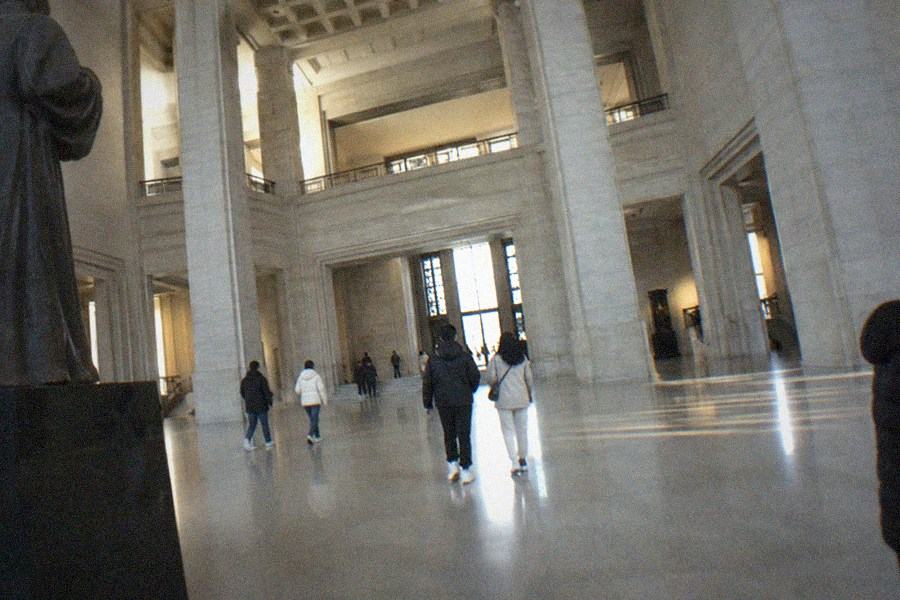
The scale of the museum makes the refusal feel more absurd than it is. The building is vast, the galleries are often quieter than the security line outside, and yet the door staff will not bend. The check is real-name: the passport or ID on the reservation is matched to the person presenting it. A screenshot of someone else's booking does not work, and buying a stranger's slot does not work either, because the name on the reservation has to match the document in your hand.
The honest fallbacks are three. First, keep checking the official channel on your intended day, since cancellations do return to the pool. Second, shift the museum to a less contested day of your trip, ideally midweek and outside a holiday. Third, use a reservation service that has already secured the date, which is what the product on this page does. What does not work is arriving and negotiating, and visitors who budget their only Tiananmen-area morning for the museum without a booking are gambling with the centerpiece of their trip.
Is The Paid Reservation Product Worth It For A Free Museum?
Paying for entry to a free museum sounds absurd until you price the alternative. The reservation service costs from $4.58 per person, books the same official free ticket under your passport, and removes the 17:00 release-window gamble entirely. If your Beijing dates are fixed and short, it is cheap insurance; if your dates are flexible and you can be online seven days out, the official channel costs nothing and works fine.
The product this site carries is a booking service, not a ticket resale. You supply passport details, the provider makes the real-name reservation through the official system on your behalf, and you enter with your own passport exactly as if you had booked it yourself. If the quota is exhausted before the booking can be made, the order is cancelled and refunded. That structure is worth understanding, because it means you are paying for timing and convenience, not for access that is otherwise forbidden. Everything the service does, you could do yourself with an alarm set to 17:00 Beijing time and a stable connection. Other pages covering the same trip are gathered on Beijing Museums.
Who should book it? Visitors on a tight itinerary, families who cannot afford a failed morning, anyone travelling during Chinese holidays, and people who discover the museum three days before their visit when the window has already closed. Who should not? Anyone with flexible dates, a working WeChat setup, and the patience to try the release a couple of times. The museum is genuinely free, and the free route works for most people who plan a week ahead.
The comparison that matters is not free versus paid but planned versus unplanned. A visitor who books the official channel seven days out pays nothing and walks in. A visitor who shows up on the day pays nothing and walks nowhere. The paid service exists for the gap between those two outcomes, and it is priced closer to a coffee than to a ticket.
The same logic applies across Beijing's free museums, and the pattern is broader than most guides admit. The free museums covered in the free-entry guide include the Capital Museum, which takes genuine walk-ups with ID, the National Art Museum of China, which opens reservations 7 days ahead at 16:00, and the National Natural History Museum, which releases just 3 days ahead at 11:00. Each has its own window, its own release time and its own quota pressure, and the National Museum of China is neither the easiest nor the hardest of them.
| Museum | Entry cost | Reservation | Window opens | Closed |
|---|---|---|---|---|
| National Museum of China | Free | Mandatory | 7 days ahead, 17:00 | Monday (except statutory holidays) |
| Capital Museum | Free | Not required, walk up with ID | Walk-up | Tuesday |
| National Art Museum of China | Free | Mandatory | 7 days ahead, 16:00 | Monday (except statutory holidays) |
| National Natural History Museum | Free | Mandatory | 3 days ahead, 11:00 | Monday (except statutory holidays) |
| China National Film Museum | Free | Mandatory | Window not published | Monday (except holidays) |
| Beijing Grand Canal Museum | Free | Walk up | Walk-up | Monday (except national holidays) |
The table shows the real spread. Two of these six museums will let you decide on the day; four will not. The National Museum of China sits on the strict side of the line, and its worldwide fame makes it the one where the quota bites hardest.
How Long Should You Plan Inside, And What Else Is Nearby?
Most visitors need three to four hours for the highlights and a full day for the permanent galleries in depth, so the reservation timing matters twice over: you are booking a date and deciding how much of the museum that date can hold. The building shares Tiananmen Square with the Forbidden City, which needs its own separate reservation booked 7 days ahead at 20:00.
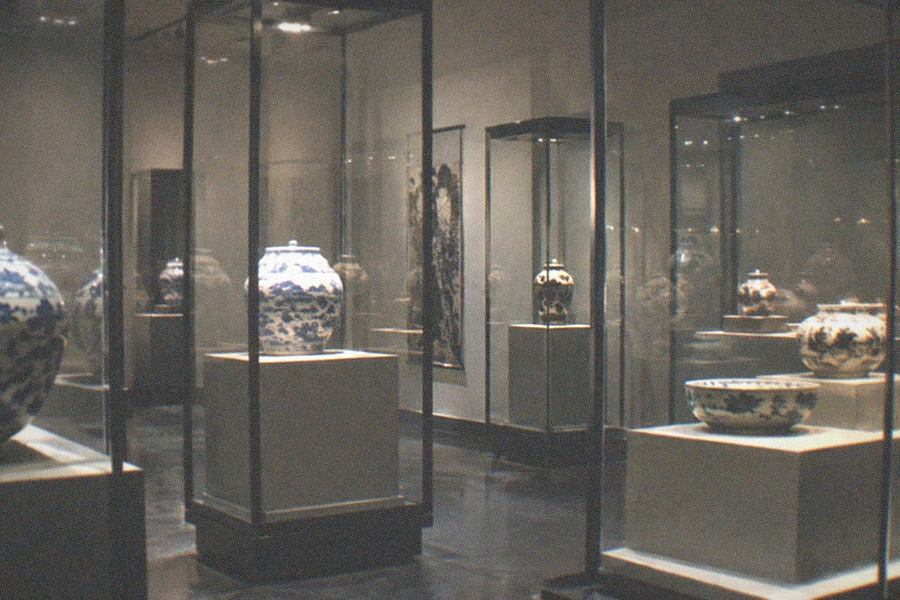
The depth question is covered properly in the how long to see the National Museum of China walkthrough, but the short version is that the museum rewards slow visiting. The Ancient China exhibition runs chronologically from Paleolithic tools through bronzes, ceramics, calligraphy and imperial regalia, and the modern history galleries carry the story through the twentieth century. Visitors who budget ninety minutes tend to exit having seen a corridor. Visitors who budget half a day rank it among the best free museums anywhere.
The geography compounds the planning problem. The museum's north gate faces Tiananmen Square directly, and the Forbidden City's Meridian Gate is a short walk across the square, so the natural instinct is to pair them in one day. Both require reservations, both release slots 7 days ahead, and the windows differ: the National Museum releases at 17:00, the Palace Museum at 20:00. A visitor wanting both on the same day is effectively running two booking campaigns three hours apart. It is doable, and plenty of people do it, but it should be a decision made a week in advance, not a plan improvised on the square.
The Palace Museum's own rules deserve a note here, because the two venues are so often bundled. The Palace Museum states plainly on its official site that it has authorized no third-party institutions or individuals to act as ticket agents and sells no same-day tickets at all. Its booking runs through the official WeChat mini-program or website, and its daily quota is capped, with popular dates selling out. The reservation services this site carries for the Forbidden City book the official ticket under the customer's passport details, refundable if the official quota sells out first. Both facts belong together, and the same transparency applies to the National Museum product above: the museum's official channel is always the free route, and the paid service is a convenience layer on top of it, never a replacement for it.
What Else Should You Know Before You Go?
Bring the original passport used at booking, expect airport-style security at the entrance, note that large bags and tripods are restricted, and plan to arrive inside your timed slot rather than whenever you like. The museum is closed Monday except statutory holidays, the nearest metro stop is on the square itself, and photography without flash is generally permitted in the permanent galleries. None of these details costs money, and every one of them can cost you the visit.
The passport point cannot be repeated too often. The reservation is real-name, the check at the door matches document to booking, and a passport photo on a phone is not a passport. Visitors whose booking was made by a travel agency under a hotel address or an old document number are the ones refused at the gate, and the refusal is polite but final. Carry the physical document you booked with, for every person in your party, including children whose details were entered at booking.
Security around Tiananmen Square adds a second layer. The square has its own entry screening separate from the museum's, so in busy periods you queue once to enter the square area and once to enter the building. Arriving early in the morning or in the late afternoon smooths both queues. The museum's scale means the building rarely feels crowded inside even when the entrance line is long, which surprises visitors who see the queue and leave.
For a broader itinerary, the 3-day Beijing museum itinerary sequences the National Museum with the Palace Museum and the hutong districts around it, and the Beijing museums map shows how tightly the Dongcheng cluster sits together. The museum also pairs naturally with the Military Museum of the Chinese People's Revolution, which is also free with a mandatory reservation, opening its window 8 days ahead with releases at 08:00, 17:00 and 20:00, and closing Monday except statutory holidays. Its reservation service, from $21, follows the same passport-based model if you want both museums handled together.
If your trip has room for only one museum morning, the National Museum of China is the right one, and the reservation is the entire barrier between you and it. Book the official channel seven days out at 17:00 if your schedule allows, and if it does not, that is exactly the situation the reservation service exists for:
Common Questions About The National Museum Of China
Is The National Museum Of China Free?
Yes, general admission is free for all visitors. Entry requires a real-name timed reservation made through the museum's official channel, opening 7 days ahead at 17:00 Beijing time, and the museum is closed Mondays except statutory holidays.
Can you walk into the National Museum of China without booking?
No. The museum has no walk-up channel for general visitors and checks reservations against passports at the entrance. Same-day entry is only possible if a cancelled slot reappears in the official system.
Does a foreign passport work for the reservation?
Yes, the museum's official booking channel accepts passport numbers for real-name registration. Bring the original passport on the day, since the document must match the booking at the security check.
Why do people pay for a ticket to a free museum?
They are paying for a reservation service, not for entry. The service books the official free ticket under your passport details, from $4.58, removing the 17:00 release-window gamble, and refunds if the quota makes your date impossible.
What day is the National Museum of China closed?
Monday, except statutory holidays. This is the standard closure pattern for Chinese national museums, so plan museum days for Tuesday through Sunday.
How much time do you need inside?
Three to four hours covers the highlights, including the Ancient China exhibition. A full day is needed for the permanent galleries in depth, and the museum rewards slow visiting over a rushed corridor run.