How Long Does It Take To See The National Museum Of China?
Planning a visit to the National Museum of China? Here is how much time to allow, how the reservation system shapes your day, and which galleries deserve the longest look.
How Long Does It Take To See The National Museum Of China?
Most visitors should plan on two to three hours to see the highlights of the National Museum of China, while a thorough visit covering more of the collections calls for a full half day, roughly four to five hours. Your actual time may vary depending on crowds, how deeply you explore each gallery, and whether you linger at the most famous exhibits. The museum sits on the east side of Tiananmen Square, admission is free, and entry requires a real-name timed reservation that opens 7 days ahead at 17:00. The building is enormous, the permanent galleries cover thousands of years of Chinese history, and the walking distance between halls adds real minutes that first-time visitors rarely budget for. Anyone hoping to see everything in a rushed hour will leave having seen almost nothing properly.
That two-hour floor assumes you move with purpose and skip the special exhibitions entirely. The four-to-five-hour range is what a curious visitor with average museum stamina actually spends once inside. Serious enthusiasts, and there are many in a museum of this scale, can fill an entire day without repeating a single gallery. The honest answer is that time in this building is elastic: the reservation slot you book shapes the day more than any itinerary does, because a late slot compresses everything and an early slot gives you room to linger.
The museum's own visiting page lays out the reservation rules and entry procedures in detail, and it is the authority on what a timed slot means: the official visit guide. Because entry is free but strictly ticketed by time slot, your visit length is partly decided before you arrive. A morning slot gives you the option to stay through lunch and leave when the crowds peak. A late-afternoon slot compresses everything, because the museum stops admitting visitors well before closing and the last galleries always feel rushed when you are watching the clock instead of the objects.
For travelers who want someone else to handle the reservation, a booking service can secure the free ticket under your passport details. The three options below cover the National Museum itself and two nearby alternatives worth comparing before you commit your day to a single venue.
What Shapes How Long A Visit Actually Takes?
How long your visit takes comes down to three main factors: which permanent galleries you choose to enter, whether you decide to add a special exhibition on top of the permanent collection, and how much walking your legs will tolerate before you are ready to stop. Each of these choices can add or subtract meaningful time, so plan according to your own interests and stamina. The permanent collection is spread across multiple floors, the Ancient China gallery alone can absorb an hour or more, and the special exhibition halls on the upper floors carry separate queues on busy days. Visitors who arrive with a shortlist of two or three galleries reliably finish faster and happier than visitors who try to see everything and end up seeing nothing well. Crowd levels matter too, and weekend mornings move noticeably slower than weekday afternoons.
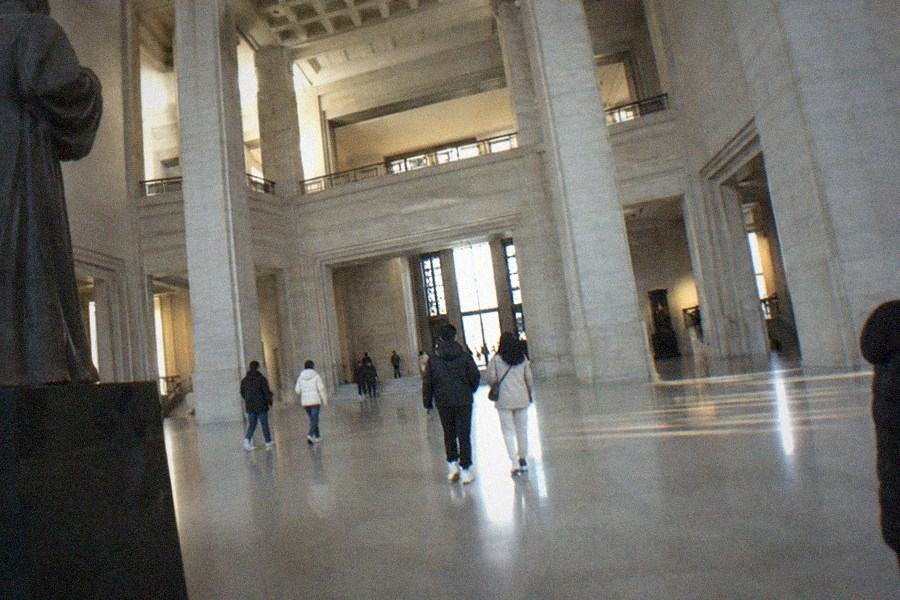
The building's sheer size is the hidden factor. The National Museum of China is one of the largest museums in the world by floor area, and its two main entrances, security screening, and long escalator runs mean that even moving between two galleries takes longer than it would in an ordinary museum. Add the Tiananmen Square security perimeter outside, which everyone must pass through, and the door-to-first-exhibit walk can eat twenty minutes before you have seen a single artifact. Visitors who plan their arrival around that buffer are the ones who are not still catching their breath in the first hall.
Here is a realistic time budget, drawn from how the museum is actually laid out rather than from optimistic guidebook arithmetic. Treat the ranges as planning figures: crowds, closures of individual halls, and your own pace will shift them in either direction. The one number that never shifts is the reservation requirement, which is covered in full further down this page.
| Visit style | What you see | Realistic time |
|---|---|---|
| Highlights sweep | Ancient China gallery plus one floor of your choice | 2 to 3 hours |
| Standard visit | Main permanent galleries plus one special exhibition | 3 to 4 hours |
| Deep visit | Everything, read at museum pace, with a break | 4 to 5 hours |
| Quick stop | One gallery only, often possible with a late slot | 60 to 90 minutes |
One warning that saves whole days: the museum closes on Monday, except statutory holidays. A Monday plan built around this museum collapses entirely, and Tiananmen Square itself does not fill the gap. The site's guide to museums open on Monday in Beijing covers the alternatives if your itinerary lands on the wrong day, and it is worth checking before you book anything, because the reservation system will happily let you book a Tuesday slot for a museum you thought you were visiting on Monday.
Should someone else take care of the timed reservation while you plan the galleries?
A few practical details will sharpen whatever time budget you settle on. The reservation system releases timed-entry slots seven days in advance, and the free tickets for the most popular days, weekends and public holidays especially, can be claimed quickly, so booking the moment your date opens gives you the widest choice of entry times. Visitors with a Chinese passport can reserve directly through the museum's official WeChat account, while foreign visitors without a Chinese ID use the museum's official website instead, and the website can be slow, so allow patience at booking time rather than at the museum door. Each reservation covers the permanent collection; special exhibitions are ticketed separately, and some of the biggest blockbusters have sold out within hours of release, so if a marquee exhibition is the reason for your visit, book that ticket first and build the rest of the day around it.
Once you are inside, the layout rewards a little strategy. The Ancient China gallery sits in the basement, which is also where the heaviest crowds concentrate in the first hours after opening, so visitors who take the escalators straight down at entry and work backward up the building often move faster than those who start on the ground floor and descend into the afternoon rush. The upper floors hold the special exhibition halls, the Road to Rejuvenation galleries covering modern Chinese history, and rotating thematic displays, and the top-floor galleries are noticeably quieter than the basement at almost any hour of the day. If your legs give out partway through, the museum has cafés and seating areas on the upper floors where you can rest without rejoining any queue, and re-entering a gallery you have already left is simply a matter of walking back in.
Timing within the day matters nearly as much as the day itself. Late-afternoon slots are the least crowded because tour groups tend to book morning entries, and the final admission window leaves enough time for a highlights sweep but not for a deep visit, so match your slot to your ambition. Photography is allowed in most of the permanent galleries, though flash and tripods are not, and the security screening at the entrance will flag large bags, so traveling light speeds up the single slowest step between the street and the first display case. Visitors who combine all of this, a shortlist of galleries, a booked special exhibition, a weekday or late slot, and a bag small enough to sail through screening, routinely finish a standard visit inside the three-to-four-hour range even when the museum is busy.
Which Galleries Deserve The Most Time?
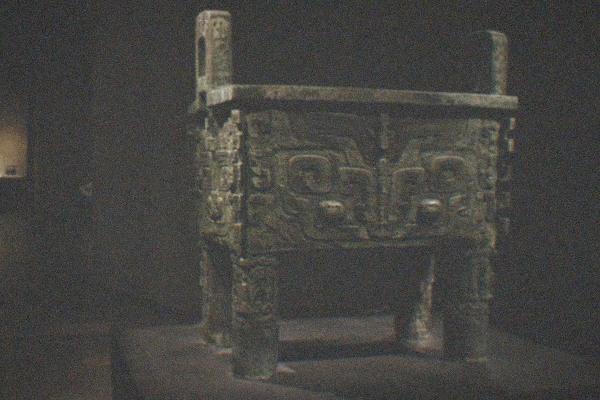
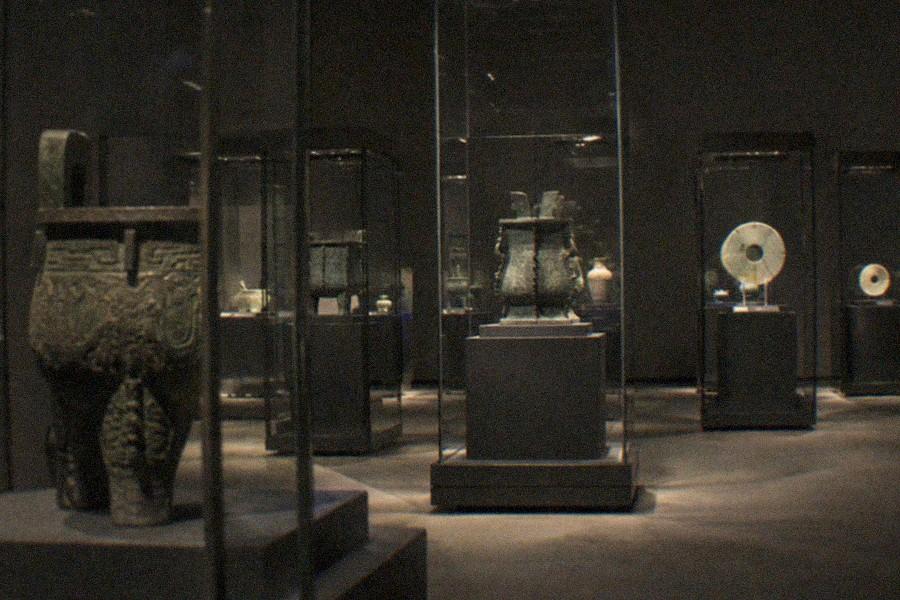
Plan to spend the bulk of your visit in the Ancient China gallery, which is the single biggest time investment and the one most worth making. After that, give your remaining attention to the bronze, ceramic, and sculpture halls, which sit on the same circuit and can be taken together at a steadier pace once the main gallery has been covered. It walks chronologically from prehistory through the Qing dynasty, and it is where the museum's most famous objects live. Budget at least an hour here even on a fast visit, and more if you read the display panels, because the gallery is long, dense, and arranged so that skipping sections means backtracking. This is the gallery that justifies the museum's reputation, and it is where most of your minutes should go.
The layout rewards a top-down or bottom-up strategy rather than wandering. Start with Ancient China, then move to the themed halls that interest you most, and leave the smaller rooms for whatever energy you have left. Visitors with children often invert this: the museum's more visual galleries hold younger attention better than long cases of inscribed oracle bones. If you are traveling with kids, the site's roundup of Beijing museums with kids places this one in context against more hands-on options, including the China Science and Technology Museum, which reserves 7 days ahead at 18:00 and sells a booking service from $21.
Special exhibitions are the wildcard. The museum hosts major loan exhibitions that can carry their own admission charge and their own queue, and a blockbuster show can add an hour or more to a visit that was supposed to be short. Check what is on before you book your slot, because a special exhibition you care about justifies a morning slot rather than a squeezed afternoon one. The museum announces exhibitions on its official channels, and the Beijing municipal government's English portal maintains a current museum listings page that covers openings and seasonal notices across the city.
A practical pacing rule that works in this building: after every two galleries, sit down for five minutes. The museum has benches in the central halls, and the difference between a four-hour visit that ends well and one that ends in fatigue is usually those short rests. Visitors who skip them tend to rush the second half of the collection and remember less of it. Museum fatigue is real, it arrives faster in large buildings, and the visitors who plan for it are the ones who leave with favorite objects rather than a blur of bronze. Other pages covering the same trip are gathered on Beijing Museums.
How Does The Reservation System Shape Your Timing?
Entry is free, but you must book a real-name timed reservation in advance, with slots opening 7 days ahead at 17:00 Beijing time. Because each slot comes with its own entry window, the reservation you manage to grab effectively dictates when you arrive and how long you can stay inside, so booking the moment slots release is essential to getting your preferred time. There are no walk-up tickets for general visitors, and the free quota for popular dates, especially weekends and holidays, can be gone within minutes of release. Foreign visitors book with a passport, and the passport used at booking is the document checked at the door. The system is the barrier, not the price, and it deserves as much planning as the galleries themselves.
This is the part of the plan that most English-language guides underplay. The reservation is not a formality, it is the gate. If you miss the release window for your chosen date, no amount of itinerary planning recovers it, and the museum's own visit page is explicit that reservations are required: see the official reservation guide. The release time of 17:00 is Beijing time, which matters for travelers booking from Europe or North America, where that window falls in the middle of the night or the middle of the working day. Set an alarm, or hand the task to someone in the right time zone.
Because the system is the barrier rather than the price, a reservation service is a legitimate shortcut for visitors who cannot be online at release time. The service books the official free ticket under your passport details; it does not sell the museum's ticket, which has no price. The listing for the National Museum of China product starts from $4.58, and the fee buys the booking labor, not entry. For a full walkthrough of the booking mechanics, the site's guide on how to book Beijing museum tickets covers the release windows, passport rules, and common failure points across the city's museums in one place.
If you would rather book it yourself, the strategy is simple. Decide your date, be ready at 17:00 Beijing time seven days before it, and have every visitor's passport details on hand, because each ticket is real-name and non-transferable. Book the earliest slot you can get: morning slots give you the option to extend, afternoon slots never do. And if the date sells out before you secure a slot, do not buy from a street tout or an unverified reseller, because the museum's real-name checks at the door will catch a ticket booked under someone else's details.
Is A Half Day Enough, Or Should You Plan A Full Day?
For most visitors, a half day is genuinely enough to see the highlights without feeling shortchanged, so you can comfortably add another activity to your afternoon. A full day only makes sense if you are a dedicated museum-goer who likes to read every placard, or if the special exhibitions during your visit are particularly strong. If neither applies, plan a half day and move on. Four to five hours covers the permanent collection at a reading pace with breaks. Beyond that, fatigue sets in, the later galleries blur together, and most visitors report diminishing returns from a sixth hour on their feet. The visitors who enjoy this museum most are the ones who leave while they still want more, not the ones who finish out of obligation.
The stronger play is often to pair the museum with something nearby rather than to stretch it. The museum sits directly on Tiananmen Square, so the square itself, the Qianmen pedestrian street to the south, and the Forbidden City to the north are all walking-distance additions. But be careful with that last pairing: the Forbidden City needs its own reservation, opens 7 days ahead at 20:00, sells a booking service from $7, and takes several hours on its own. Trying to do both properly in one day is the classic Beijing overreach. The site's 3-day Beijing museum itinerary splits them across separate mornings for good reason, and it builds the National Museum into a day that also leaves room for lunch and the walk between them.
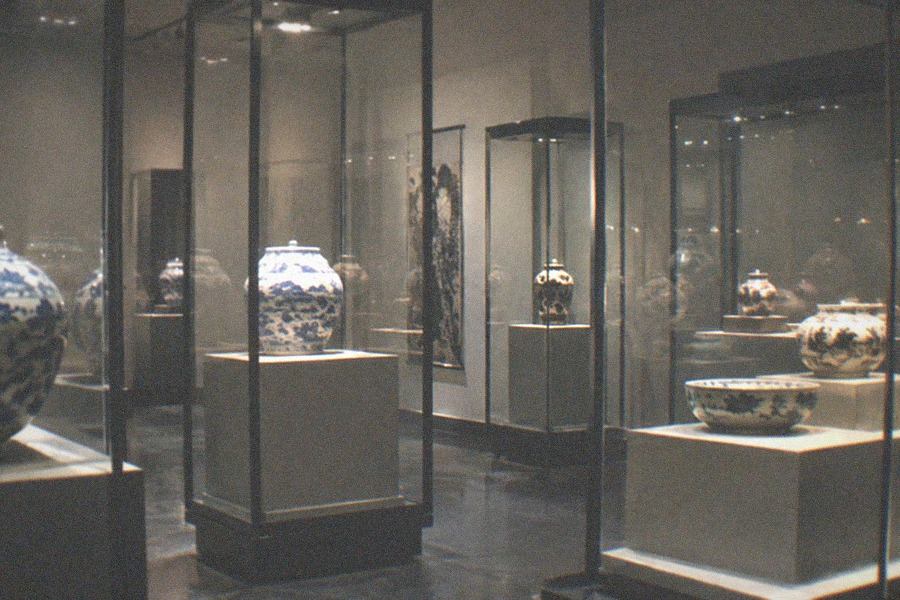
For travelers who want a second museum on the same kind of ticket system, two nearby venues compare well. The Military Museum of the Chinese People's Revolution is also free with mandatory reservation, opening 8 days ahead with releases at 08:00, 17:00, and 20:00, and a booking service for it starts from $21 with a 4.4 rating across 10 reviews. The Confucius Temple and Imperial College Museum is a quieter, paid alternative at CNY 30 at the door, reserving just 1 day ahead, with a reservation service from $12. If your afternoon slot at the National Museum leaves you with a spare morning, the Confucius Temple pairs especially well, and the site's piece on whether Confucius Temple and Guozijian need two tickets answers the question visitors ask most about it.
Whichever way you build the day, the sequencing rule that matters most is this: put the National Museum of China in the morning if you can. Morning slots are the hardest to get and the most worth fighting for, because they turn a compressed visit into an open-ended one. An afternoon slot works, but it converts your four-to-five-hour realistic visit into a two-to-three-hour one whether you like it or not, and no amount of enthusiasm at the door changes the closing time.
Common Questions About The National Museum Of China Visit Length
How Long Does It Take To See The National Museum Of China?
Plan on two to three hours for the highlights and four to five hours for a thorough visit. The building is vast, the permanent galleries cover thousands of years, and the walking between halls adds real time. A dedicated enthusiast can fill a full day, but most visitors are best served by a half day with a shortlist of galleries.
Is the National Museum of China free?
Yes, general admission to the permanent collection is free, but a real-name timed reservation is mandatory. Slots open 7 days ahead at 17:00 Beijing time, and there are no walk-up tickets for general visitors. The site's guide on whether the National Museum of China is free covers the details.
When does the museum close?
The museum closes on Monday, except statutory holidays. This is the single most expensive planning mistake to make, because the museum sits in the Tiananmen Square area, where a Monday built around it collapses entirely.
Can I visit the Forbidden City on the same day?
It is possible but usually a mistake. The Forbidden City requires its own reservation, opens 7 days ahead at 20:00, and takes several hours. Most visitors enjoy both far more on separate mornings, and the site's itinerary guide splits them across different days.
How much walking is involved?
A lot. The National Museum of China is among the largest museums in the world by floor area, and moving between distant galleries, plus the security perimeter outside, can add twenty minutes before your first exhibit. Comfortable shoes matter more here than in almost any other Beijing museum.
Do special exhibitions add time?
Yes, often an hour or more. Major loan exhibitions can carry separate queues and occasionally separate charges on top of the free permanent galleries. Check what is showing before you book your time slot, and choose a morning slot if a special exhibition is on your list.