Is The Military Museum Of The Chinese People's Revolution Free?
Yes, general admission to the Military Museum of the Chinese People's Revolution is free, but you must reserve a timed slot in advance. Here is how the booking window works and what to expect inside.
Yes, general admission to the Military Museum of the Chinese People's Revolution is free, and it has been for years. The catch is the one that catches almost everyone in Beijing: free does not mean walk in. The museum requires an advance real-name reservation, the window opens eight days ahead of your visit, and slots release at 08:00, 17:00 and 20:00 Beijing time. Miss the window and the free ticket is gone, because there is no same-day on-site booking for general visitors. The museum sits at No. 9 Fuxing Road in Haidian District, on the west side of the city where Chang'an Avenue runs into the military district, and it is one of the largest single-building museums in China. Its full Chinese name, Zhongguo Renmin Geming Junshi Bowuguan, appears on every Beijing map, but almost no English guide explains the reservation system that actually governs a visit.
Is The Military Museum Of The Chinese People's Revolution Free?
Yes, the permanent galleries are completely free to enter, with no ticket price at the door and no suggested donation, but only for visitors who hold a confirmed real-name reservation made in advance. The museum sells nothing at the entrance for general admission. Walk-up entry is not available for ordinary visitors, and the daily quota is allocated entirely through the official booking channel, which opens eight days ahead of the visit date.
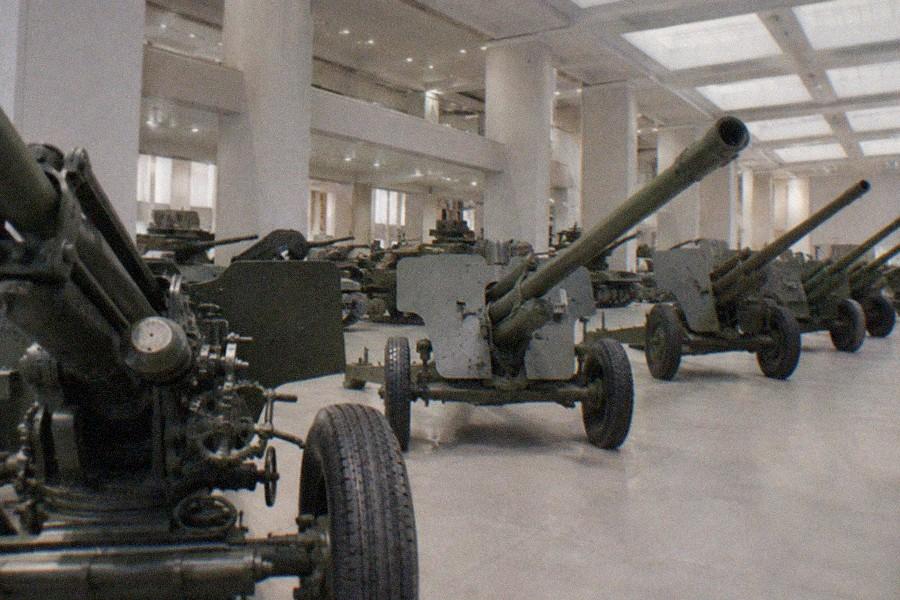
The free policy is the museum's own, published on its official visiting guide at jb.mil.cn, and it covers the permanent exhibitions that fill the building's enormous halls. Rows of tanks, aircraft, artillery and missiles pack the ground floor, and the upper galleries trace the history of the People's Liberation Army from its founding through the present day. None of that costs a yuan.
What trips up foreign visitors is not the price but the procedure. China's state museums moved almost universally to real-name timed reservation systems in recent years, and the Military Museum followed. Your passport is your ticket: the reservation is tied to your passport number, and you show the physical passport, the same one used to book, at the entrance. A passport copy or a photo on a phone does not work. This is worth saying plainly because the pattern repeats across the city, and it is the single most useful thing to understand about Beijing Museums as a category: the museum is free, the booking window is the barrier.
There is a paid shortcut. A third-party reservation service, from $21, books the official free slot under your passport details and handles the Chinese-language WeChat channel for you. It carries a 4.4 rating from 10 reviews, a small base but a real one, and it is refundable if the quota sells out before your booking is placed. Whether that is worth the money depends entirely on how comfortable you are operating a WeChat mini-program in Chinese, and on how fixed your travel dates are.
How Do You Reserve A Free Ticket To The Military Museum?
Reservations open eight days before your visit date and release in three batches, at 08:00, 17:00 and 20:00 Beijing time, through the museum's official WeChat public account or its WeChat mini-program. Foreign visitors can book with a passport, entering the passport number exactly as it appears in the document. There is no same-day reservation and no on-site counter for general visitors, so the eight-day window is the only route.
The three daily release times are unusual, and they matter. Most Beijing museums release their slots once a day: the Palace Museum at 20:00, the National Museum of China at 17:00, the National Art Museum at 16:00. The Military Museum spreads its quota across morning, late afternoon and evening releases, which in practice means a popular weekend date can still have evening slots left after the morning batch is gone. If you miss one release, set an alarm for the next. Local ticketing trackers such as Beijing Bendibao's museum reservation guide document the same pattern.
Booking in Chinese through WeChat is the standard route, and it is genuinely doable with a translation app and some patience. The account is named for the museum, the booking path sits under the visiting-services menu, and the form asks for name, passport number and a visit time slot. Confirmation comes back in the app, and you show the passport at the north entrance security check. Visitors who hold a foreign permanent residence ID can use that instead. Give yourself a quiet fifteen minutes the first time, because the mini-program's menus are dense and the time-slot picker uses a calendar layout that translation apps handle imperfectly.
If that sounds like friction you would rather pay to avoid, the reservation service above handles the whole sequence. You supply passport details, the provider places the booking when the window opens, and you receive confirmation tied to your passport. The product page describes exactly this: a booking service for the free official slot, not a ticket the museum sold to a reseller. The museum itself authorized no agents, a point worth knowing, and the service's value is procedural, not preferential. It gets you the same free slot you could book yourself, with someone else doing the Chinese-language part.
There is a way to stretch a Haidian museum day into something bigger, and it costs nothing up front. The revolutionary-history theme continues across the city on A Walk Through Beijing's Revolutionary Hub, a pay-what-you-want walking tour led by a guide named April, rated 4.87 from 46 reviews, which runs 2 hours 15 minutes from Guang'anmennei station and takes in Baoguo Temple, Niujie Food Street and the Niujie Mosque. It does not pass the Military Museum, but it covers the same revolutionary story on foot, and you book a free slot and tip the guide at the end. The full catalogue of English-language walks is on the Beijing GuruWalk hub.
What Can You See Inside The Military Museum?
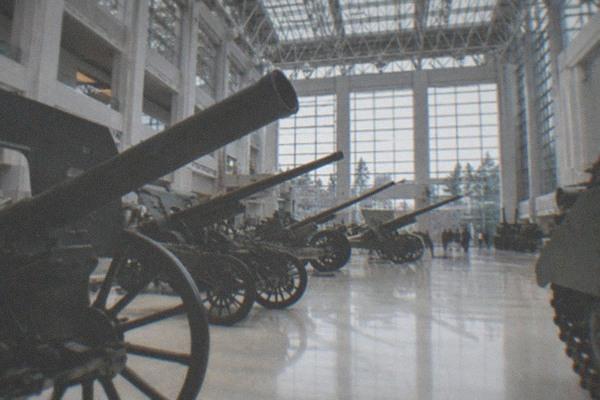
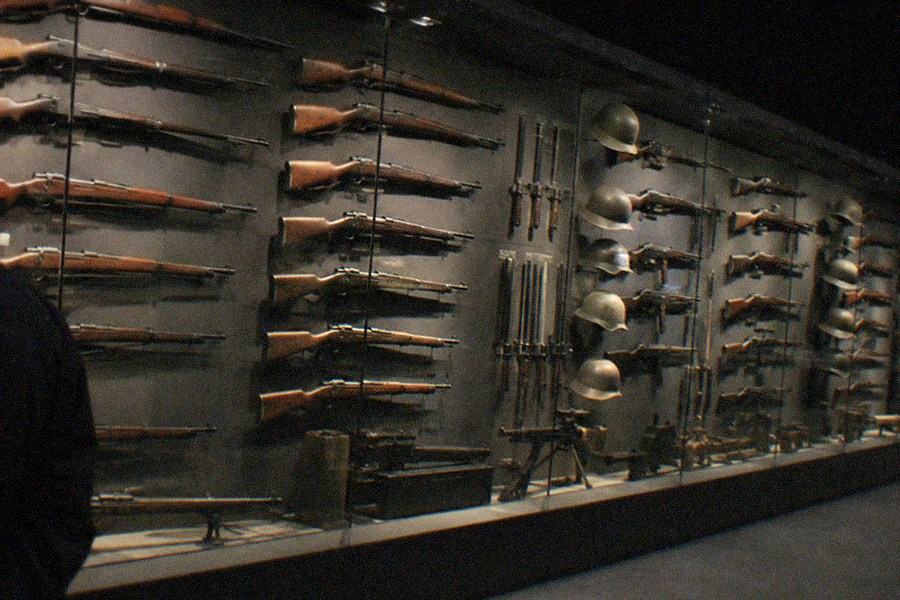
The permanent collection covers the whole history of the People's Liberation Army, with tanks, aircraft, artillery, missiles, small arms, uniforms and captured equipment filling a building of colossal scale. The central hall alone holds full-sized aircraft and tanks on two levels. Plan on two to three hours for the permanent galleries, more if you read the Chinese-only labels through a translation app, since English signage is partial.
The ground-floor hall is the showpiece. Aircraft hang from the ceiling, tanks sit wheel to wheel on the floor, and the scale is closer to an airshow than a glass-case museum. The galleries above walk through the army's history in chronological order, from its early revolutionary campaigns through the Korean War and into modern equipment displays. For anyone with an interest in twentieth-century history, the museum is one of the most substantive free afternoons in the capital.
Families do well here, and the museum is a strong pick from the Beijing museums with kids guide, precisely because the hardware is physical and enormous rather than interpretive. Small children respond to tanks differently than they respond to display cases. The building is also a reliable bad-weather option, listed in the indoor Beijing guide for cold and rainy days, since the whole visit happens under one roof and the halls are heated in winter.
One honest note on language: the permanent galleries are signed primarily in Chinese, with some English panels at major exhibits. A phone camera with live translation covers most of it. Temporary exhibitions occasionally charge separately, and those are the only paid elements inside, so check the WeChat account for what is running during your dates.
Photography is generally welcome in the permanent halls, though the security screening at the entrance is thorough and the queues on free-admission weekends reflect the price. Bring the passport, keep the booking confirmation accessible on your phone, and expect an airport-style bag scan before the north entrance. None of this is difficult; it just runs on Chinese museum rhythm rather than Western gallery rhythm, and visitors who arrive expecting a quick stroll-in often lose twenty minutes recalibrating.
Is The Paid Reservation Product Worth $21?
For most independent travelers, no: the official slot is free and the passport booking process works, so $21 buys convenience rather than access. For visitors without a Chinese SIM, without WeChat set up, or traveling on a tight date with no second chance, the service is a reasonable insurance policy, refundable if the quota sells out first. It holds a 4.4 rating from 10 reviews, a thin but genuine base.
The honest framing is that this product sells a task, not a ticket. The museum's admission is free; what costs money is having someone else operate the WeChat booking system under your passport details on the day the window opens. That is a real service with a real failure mode it protects against: the daily quota for popular dates, especially weekends and Chinese public holidays, can exhaust within a release batch.
Compare it with the other paid-free products in the city. The National Museum of China, covered in is the National Museum of China free?, sells a comparable reservation service from $4.58, a lower price for a museum whose own booking channel is notoriously competitive. The Confucius Temple and Imperial College product, from $12, covers a museum that charges CNY 30 at the door, so there the product is a genuine admission purchase rather than a booking service. Three different transactions, three different prices, and only the third one buys entry itself.
The decision rule is simple. If you have WeChat working, a passport in hand and a date at least eight days out, book it yourself for free and spend the money on lunch. If your dates are fixed and inflexible, or the WeChat registration has already defeated you once, the service removes the one step that can sink the visit. It is also worth remembering that the refund protection cuts both ways: if the quota is gone before the provider can book, you get your money back, which is a better outcome than discovering the problem in person at the gate.
How Does The Military Museum Compare With Other Free Beijing Museums?
The Military Museum is one of six genuinely free venues among the major Beijing museums profiled on this site, and it is the only one whose slots release in three daily batches. It is larger inside than most of its Haidian neighbors, less crowded than the National Museum on Tiananmen Square, and it requires reservation where the Capital Museum takes walk-ups with ID.
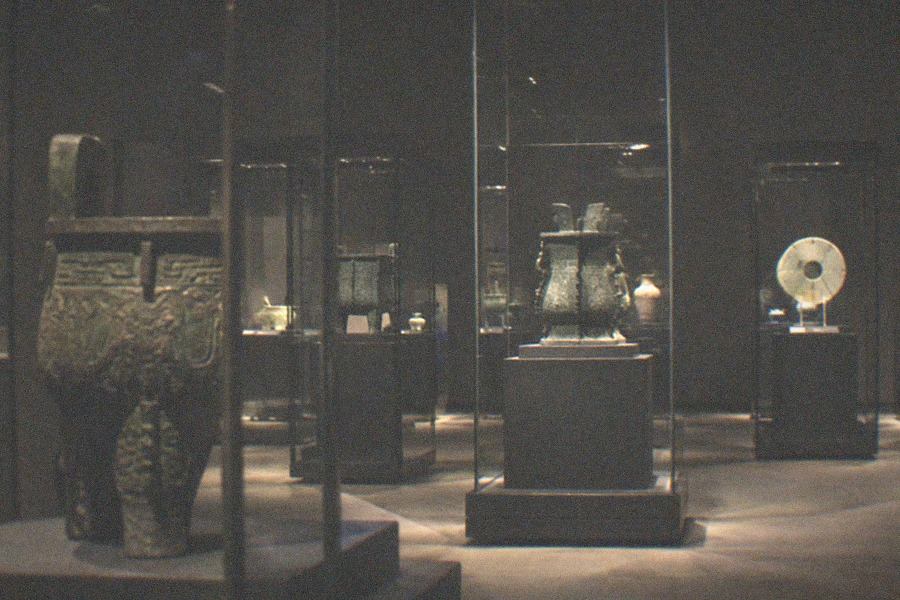
The free landscape in Beijing splits into three patterns, and knowing which pattern a museum follows tells you almost everything about planning. Some free museums require reservation, some take walk-ups, and the differences are not obvious from the outside. The table below puts the Military Museum against the other free heavyweights.
| Museum | Admission | Reservation | Booking window | Closed day |
|---|---|---|---|---|
| Military Museum of the Chinese People's Revolution | Free | Required | 8 days ahead, 08:00 / 17:00 / 20:00 | Monday, except statutory holidays |
| National Museum of China | Free | Required | 7 days ahead at 17:00 | Monday, except statutory holidays |
| National Art Museum of China | Free | Required | 7 days ahead at 16:00 | Monday, except statutory holidays |
| National Natural History Museum of China | Free | Required | 3 days ahead at 11:00 | Monday, except statutory holidays |
| Capital Museum | Free | Walk-up with ID | No advance booking needed | Tuesday |
| Museum of the War of Chinese People's Resistance Against Japanese Aggression | Free | Walk-up | No advance booking needed | Monday, except holidays and commemorative days |
Two patterns stand out. First, Monday closes nearly everything, and the exceptions are rare: the Capital Museum closes Tuesday instead, and the Palace Museum follows the same Monday rule with holiday exceptions. A Monday spent museum-hopping in Beijing is a Monday spent reading closed signs, which is why the site keeps a dedicated guide to Beijing museums open on Monday. Second, the walk-up venues are the flexible ones. The Capital Museum, the war museum at Wanping and the Grand Canal Museum in Tongzhou all take visitors with ID at the door, making them the right picks for an unplanned afternoon.
The Military Museum sits in the middle: free, but planned. Its advantage over the National Museum of China is crowd density. The National Museum, sitting on Tiananmen Square, is one of the most visited museums on earth and its slots vanish accordingly. The Military Museum's Haidian location, a short ride west of the center along Fuxing Road, means its quota lasts longer and its galleries breathe. For a visitor who wants a free museum without a booking battle, it is often the smarter target.
What Mistakes Should You Avoid When Visiting?
The three expensive mistakes are arriving on a Monday, arriving without the passport used for the booking, and assuming the free policy means no planning. Monday closes the museum except on statutory holidays, the passport must be the physical original matching the reservation, and the eight-day window means last-minute decisions usually fail. Avoid those three and the visit itself is straightforward.
The Monday rule deserves its own sentence because it ruins more Beijing itineraries than any ticket price ever has. Statutory holidays override it, so a Monday during Golden Week can be open, but an ordinary Monday is closed and there is no partial opening to fall back on. Build the week around it: reserve the Military Museum for a midweek day and keep the walk-up museums in reserve for Monday, or accept that Monday belongs to parks and the few Tuesday-closed venues seen the day before.
The passport rule is the second. Real-name registration means the name and number on the reservation must match the document at the gate, exactly. A family where one member booked everyone's slots must still have each person's own passport present, because each reservation is tied to an individual document. Group bookings through the official channel follow the same logic, and a mismatch at the security desk is not something the staff can quietly fix.
The third mistake is timing. Because the window opens eight days ahead, a traveler who decides on a museum four days into a ten-day trip has already missed the earliest batches for the back half of the trip. Book the moment the window opens, prefer the 20:00 release if the morning batches look thin, and hold a backup plan in the walk-up museums if the quota is gone. The reservation service can make sense precisely here, since its whole job is being ready at the release moment with your passport details already on file.
Common Questions About The Military Museum In Beijing
Is The Military Museum Of The Chinese People's Revolution Free?
Yes. General admission to the permanent galleries is free, but an advance real-name reservation is mandatory, with slots releasing eight days ahead at 08:00, 17:00 and 20:00 Beijing time. There is no same-day on-site booking for general visitors, so the free ticket still requires planning.
Do foreigners need a passport to visit the Military Museum?
Yes. The reservation is real-name, and a foreign passport is the accepted document for booking and for entry. The physical passport used to make the reservation must be presented at the entrance; a copy or photo is not accepted. Foreign permanent residence IDs also work.
Can you walk in without a reservation?
No, not for general admission. Walk-up entry is not offered to ordinary visitors, though limited green-channel exceptions exist for specific groups such as seniors, disabled visitors and military personnel. Everyone else needs a booked slot from the official WeChat channel.
Is the Military Museum open on Monday?
No, it closes on Monday except on statutory holidays. This matches the near-universal Monday closure rule across Beijing's national museums. If your Monday is free, the Capital Museum, which closes Tuesday instead, is the walk-up alternative.
How long does a visit take?
Two to three hours covers the permanent galleries at a reasonable pace. The central hall with its aircraft and tanks deserves the most time, and the chronological upper floors reward more if you are reading labels through a translation app, since English signage is partial.
What does the $21 product actually buy?
It buys a booking service, not a ticket. The museum's admission is free; the provider places the official reservation under your passport details through the Chinese-language WeChat channel when the eight-day window opens, and the order is refundable if the quota sells out first. It is convenience for visitors who cannot or do not want to run the booking themselves.