Is It Worth Going Inside The Forbidden City?
An honest look at whether paying to enter the Palace Museum is worth it, what you see inside, what it costs, and how the reservation system works for foreign visitors.
Is It Worth Going Inside The Forbidden City?
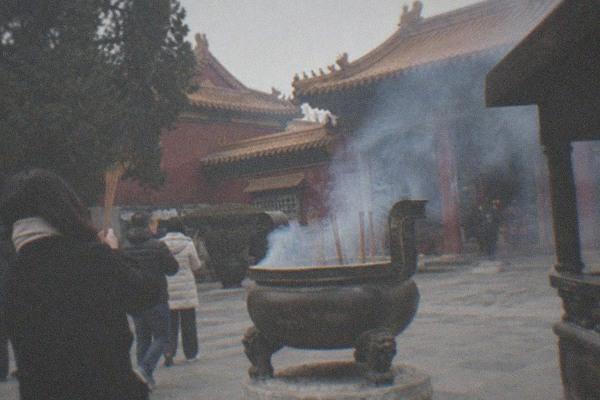
Yes, for most visitors the paid interior is worth it, and the reason is simple: the exterior views are free, but the halls, thrones, galleries and courtyards that make the place the Palace Museum are behind the ticket line. The museum holds a 4.5 rating across 655 reviews, and the overwhelming consensus in those reviews is that the inside justifies the cost. The honest caveats are crowds, the Monday closure, and a reservation system with no same-day fallback.
The question is more real than it sounds, because the outside is genuinely free and genuinely good. You can walk the full moat perimeter, photograph the corner turrets from the streets around it, and stand in Tiananmen Square looking at the portrait on the Meridian Gate without spending a yuan. Plenty of visitors do exactly that and leave happy. The paid interior is a different product: the imperial palace complex at the heart of the city, the Hall of Supreme Harmony, the Palace of Heavenly Purity, the imperial garden, and two paid galleries holding the museum's finest objects. The Beijing Museums coverage exists because the gap between "seeing the Forbidden City" and "going inside the Forbidden City" is where most of the planning mistakes happen.
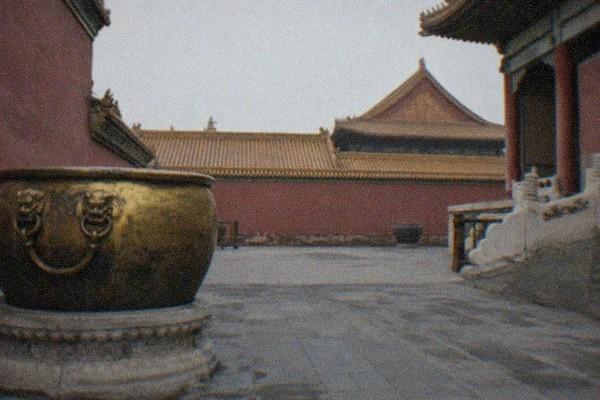
What the ticket buys, in practice, is scale. The sequence of gates and halls along the central axis is arranged to make a visitor feel small, and it still works that way five centuries after it was built. You cannot get that from the outside, and you cannot get it from Jingshan Park either, which gives you the famous rooftop panorama but not the interior. If your interest in Beijing is imperial history at any depth, skipping the interior means skipping the substance.
The counter-case deserves a fair hearing. In peak season the courtyards are dense with people, the walk from the Meridian Gate to the north exit covers serious distance, and the main halls are viewed from behind railings rather than entered. Visitors who arrive expecting to wander through palace rooms sometimes come away disappointed, because most interiors are seen from the doorway. That is a real limitation, and it is why the honest answer depends on what you want from the visit rather than on the ticket price, which is modest for what it covers.
There is also a middle position worth naming, because some visitors take it by accident. They enter, walk the central axis in a crowd, exit through the north gate within two hours, and remember the visit mostly as a long hot walk between barriers. That outcome is not an argument against the interior; it is an argument against doing the interior badly. The palace rewards visitors who leave the axis, and it punishes visitors who treat it as a corridor. The sections below cover what you actually see, what it costs, how the booking works, and who should genuinely skip it.
What Do You Actually See Once You Are Inside?
The interior delivers the central axis halls, the two paid galleries, the western and eastern palaces, and the Imperial Garden, and the difference between a rushed visit and a good one is measured in hours. The Hall of Supreme Harmony, the largest surviving timber hall in China, anchors the route, and the Treasure Gallery and the Gallery of Clocks are separate 10 CNY add-ons that most visitors rate among the best parts. Plan on half a day minimum.
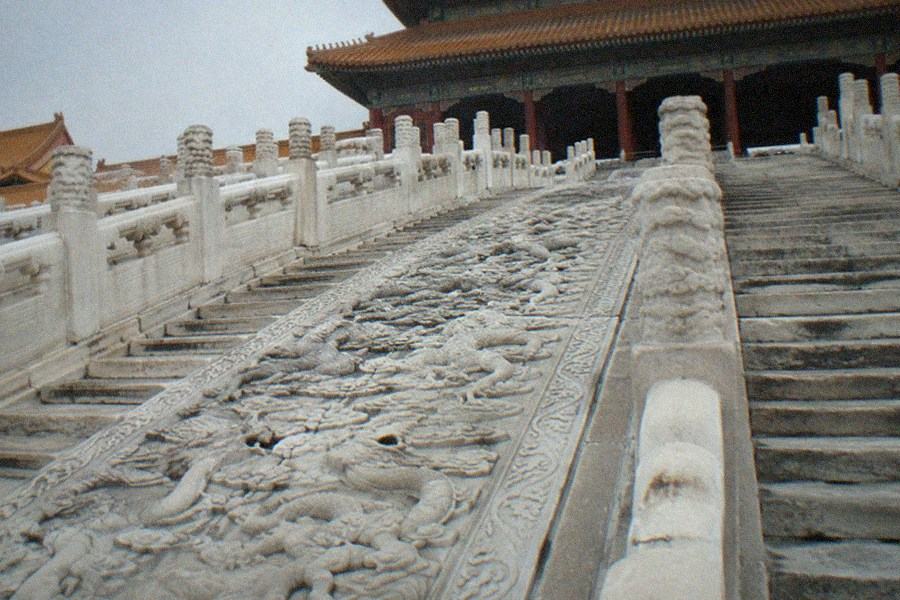
The standard route runs south to north. You enter through the Meridian Gate, cross the Golden Water bridges, and pass through the Gate of Supreme Harmony into the great courtyard. From there the three great halls rise in sequence: the Hall of Supreme Harmony, the Hall of Central Harmony, and the Hall of Preserving Harmony. Behind them sits the Inner Court, with the Palace of Heavenly Purity, the Hall of Union, and the Palace of Earthly Tranquility, then the Imperial Garden near the north exit. Most first-time visitors follow exactly this line and leave through the Gate of Divine Prowess into Jingshan Park opposite.
The side routes are where the visit improves. The Treasure Gallery, in the restored Palace of Tranquil Longevity complex in the northeast, holds the museum's most celebrated small objects, and the Gallery of Clocks displays the famous Qing dynasty clockwork collection. Both charge 10 CNY each on top of general admission, and both are worth the small extra cost. The less-visited western palaces and the eastern side halls thin the crowds considerably, and a visitor who budgets time for them gets a calmer experience than one who fights through the central axis only.
How long the interior deserves is its own question, and the answer shapes whether it is worth going in at all. There is a separate breakdown of how much time you need in the Forbidden City that covers the timing in detail, but the short version is that a rushed two hours along the axis is the worst way to do it: long enough to be tired, short enough to miss everything that makes the ticket worthwhile.
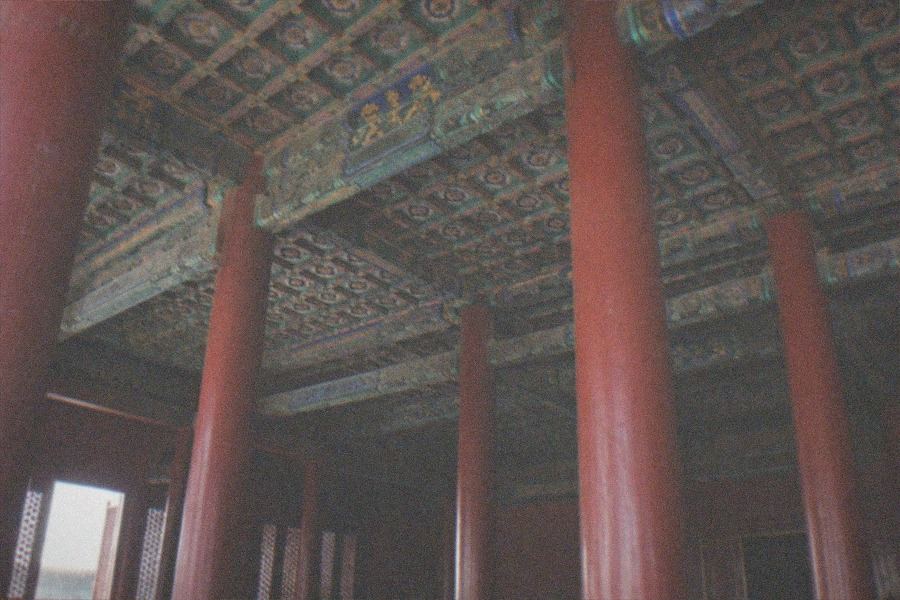
One more thing the interior gives you is context you cannot reconstruct from photos. The scale of the courtyards, the sound of tens of thousands of people absorbed by stone, and the sheer repetition of gate after gate are physical experiences. Reviews on the operator's live listing repeatedly make this point in different words, that photographs flatten the place and the visit does not. That is a subjective judgment, but it is a consistent one, and it is the strongest single argument for going inside.
How Much Does It Cost To Go Inside?
General admission is 60 CNY at the door in peak season, April 1 through October 31, and 40 CNY in the off-peak season, November 1 through March 31. The Treasure Gallery and the Gallery of Clocks are separate 10 CNY add-ons each. A third-party reservation service listing starts from $7, which is a different transaction from the door price: it books the official ticket under your passport details rather than replacing it.
The two price columns confuse people, so they are worth separating cleanly. The door price is what the Palace Museum itself charges, paid through its official booking channel. The third-party product price is what a reservation service charges to handle that booking for you, useful when the WeChat mini-program or the language is the barrier. The two figures describe different transactions and should never be averaged or compared as though they were the same thing.
| Item | Cost | Notes |
|---|---|---|
| General admission, peak season | 60 CNY | April 1 to October 31 |
| General admission, off-peak | 40 CNY | November 1 to March 31 |
| Treasure Gallery add-on | 10 CNY | Separate ticket inside |
| Gallery of Clocks add-on | 10 CNY | Separate ticket inside |
| Reservation service listing | from $7 | Books the official ticket under your passport details |
Against that scale, the value question answers itself for most people. A peak-season visit with both galleries comes to 80 CNY at the door, roughly the cost of a mid-range meal in the city, for one of the largest and best-preserved imperial palace complexes on earth. The museum states on its official site that it sells tickets only through its official channels, and that matters for how you read the third-party products: they are booking services that reserve the official ticket in your name, not resellers holding separate inventory, and they refund if the official quota sells out first.
The seasonal split is worth using rather than merely knowing. The off-peak 40 CNY rate covers the same buildings, the same galleries and the same add-ons as the peak rate, and the winter months bring thinner crowds to match it. Cold weather is the trade, and Beijing winters are genuinely cold, but a visitor who dresses for it gets the palace at its quietest for a third less at the door. Visitors who can only travel in summer should simply book the moment the window opens and go early in the day.
How Hard Is It To Get A Ticket, And Can A Foreigner Book One?
Tickets open 7 days ahead at 20:00 Beijing time through the official WeChat mini-program or website, foreign passports work in the official channels, and there are no same-day tickets at all, on site or anywhere else. The museum is closed Mondays except statutory holidays. The quota is capped, and popular dates sell out, which is the real barrier rather than the price.
This is where going inside becomes a planning decision rather than a spontaneous one. The booking window opening 7 days out at a fixed evening hour means a visitor who decides the night before simply cannot go. Popular dates, national holidays and weekends in peak season sell through quickly once slots release. The museum's own English pages state plainly that it has not authorized any third-party institutions or individuals to act as ticket agents, and that warning should be read alongside any third-party product: the reservation services this site links book the official ticket under the passport details you provide, and both facts belong together.
For foreign visitors the passport situation is better than rumor suggests. The official channels accept a passport for real-name booking, and the entry check matches the passport used to reserve, so the document you book with is the document you carry in. The friction is practical rather than exclusionary: the mini-program is in Chinese, payment needs a card the system accepts, and the 20:00 release time means booking from a different time zone. The reservation-service product exists precisely for that gap, and the guide to booking Beijing museum tickets walks through the official route step by step for visitors who prefer to do it themselves.
One structural fact worth knowing: the Palace Museum's North Campus is not yet open. Its subject building was completed in 2025 with an opening expected around the end of 2026, so for now the entire visit happens at the historic central complex. Nothing about the current ticket covers a second site, and nothing about the North Campus changes the value of the main one.
A practical note on timing the booking. Because slots release at 20:00 Beijing time exactly 7 days ahead, a visitor in Europe is booking in the early afternoon and a visitor in North America in the morning, local time. Setting a calendar reminder for that moment, with passport details to hand, converts the hardest part of the visit into a two-minute task. Visitors who miss the window for a given date do not get a second chance at that date, which is why the discipline matters more than any other single step in the plan.
What Are The Alternatives If You Skip The Interior?
If you skip the paid interior, the free exterior circuit is genuinely rewarding: the moat and corner turrets, Jingshan Park's hilltop panorama opposite the north exit, and Tiananmen Square's view of the Meridian Gate. If the reason to skip is palace fatigue rather than cost, the Summer Palace and the Lama Temple offer imperial and religious architecture with their own paid interiors, from $14 and $10 respectively through reservation listings.
The free circuit deserves to be described accurately rather than as a consolation prize. The corner turret at the northeast, reflected in the moat, is one of the most photographed compositions in the city. Jingshan Park gives you the view over the palace roofs that the interior cannot: you look down on the golden roofline stretching south, which is the single best visual argument for what you are deciding whether to enter. The square side gives you the gate, the portrait and the scale of the wall. What none of it gives you is the halls, the galleries, or the interior sequence, which is the entire trade.
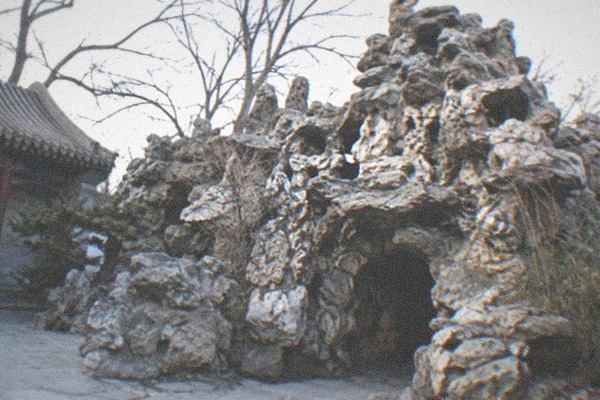
For visitors whose hesitation is crowds rather than money, timing matters more than substitution. An off-peak November visit at 40 CNY with thin crowds in the side palaces is a different experience from a peak Saturday. And for visitors who want imperial Beijing but not this specific building, the alternatives are strong. The Summer Palace's lake and Longevity Hill complex, with its inner halls such as the Tower of Buddhist Incense closing Monday, and the Lama Temple, a working Tibetan Buddhist temple rather than a museum in the strict sense, both carry the same reservation logic and their own rewards. The separate ticket for the Forbidden City Treasure Gallery is worth understanding too, since it changes what a full interior visit includes.
It is also worth being precise about what the alternatives are not. The Summer Palace is a landscaped imperial garden with scattered halls, not a dense palace complex; the Lama Temple is an active religious site with incense and worshippers, not a gallery of thrones. Each is excellent on its own terms, and each substitutes for a different aspect of the Forbidden City rather than for the whole. A visitor who wants architecture walks the Summer Palace; a visitor who wants living ritual walks the Lama Temple; only the Palace Museum gives you the imperial court itself, which is why the substitution argument only goes so far.
Who Should Skip The Interior, Honestly?
Skip it if you cannot secure a reservation in the 7-day window, if your only day in the city is a Monday, or if a crowded courtyard walk in summer heat sounds worse than the moat walk. Do not skip it on price: 60 CNY peak or 40 CNY off-peak is small against what the visit delivers. The Monday closure except statutory holidays is the most expensive planning mistake in Beijing.
The Monday trap catches an extraordinary number of visitors, because the Palace Museum, the National Museum of China and most major municipal museums all close the same day. A traveler who lands Sunday and plans the Forbidden City for Monday sees nothing but walls. The reservation window is the second trap: decide too late and the date is gone, with no same-day option to rescue the plan. Both failures are avoidable with a calendar, which is the practical sense in which the question "is it worth going inside" is really a question about whether you planned to.
The third honest skip is temperament. Visitors who dislike crowds, heat, long walks or queueing should weigh that honestly, because the interior delivers all four in peak season. The off-peak season softens every one of them, and the side palaces soften them year-round. But a visitor who knows they will be miserable in a dense crowd is better served by Jingshan, the moat and a different museum entirely than by a ticket bought out of obligation. Beijing has 31 museum venues covered on this site, and plenty of them, from the free Capital Museum to the walk-up Guanfu Museum, ask nothing of your patience.
For everyone else, the answer holds. The interior is worth the price, worth the reservation discipline, and worth the half-day it properly demands. The exterior is a fine free experience, but it is a preview, and the palace is the show. Book when the window opens, carry the passport you booked with, add the two galleries, and give the visit the hours it needs: that is the whole recipe, and it is the difference between the visitors who call the Forbidden City the highlight of their trip and the ones who call it a long walk.
Common Questions About Going Inside The Forbidden City
Is It Worth Going Inside The Forbidden City?
For most visitors, yes. The exterior is free and attractive, but the halls, thrones, Treasure Gallery and Imperial Garden are behind the ticket. The museum holds a 4.5 rating across 655 reviews, and admission is 60 CNY peak season or 40 CNY off-peak, modest for one of the world's largest palace complexes.
Can you buy Forbidden City tickets at the gate?
No. The Palace Museum sells no same-day tickets at all, on site or through any channel. Every visitor must hold a real-name reservation made in advance, and the booking window opens 7 days ahead at 20:00 Beijing time.
How much time do you need inside the Forbidden City?
Half a day is the realistic minimum for the central axis plus the Imperial Garden, and a full day if you add the Treasure Gallery, the Gallery of Clocks and the side palaces. A rushed two-hour walk covers the axis but misses most of what makes the ticket worthwhile.
Is the Forbidden City closed on Mondays?
Yes, closed Mondays except statutory holidays. This matters doubly because the National Museum of China and most major Beijing museums close the same day, so a Monday plan can strand several stops at once.
Do the Treasure Gallery and Gallery of Clocks cost extra?
Yes. Both are separate 10 CNY add-ons on top of general admission, and both are widely rated among the best parts of the visit. Budget for them when deciding whether the interior is worth it.
Can a foreign passport book a Forbidden City ticket?
Yes. The official booking channels accept a passport for real-name reservation, and the passport used to book is the one checked at the Meridian Gate. The barrier is practical, a Chinese-language mini-program and the fixed release time, not exclusion.