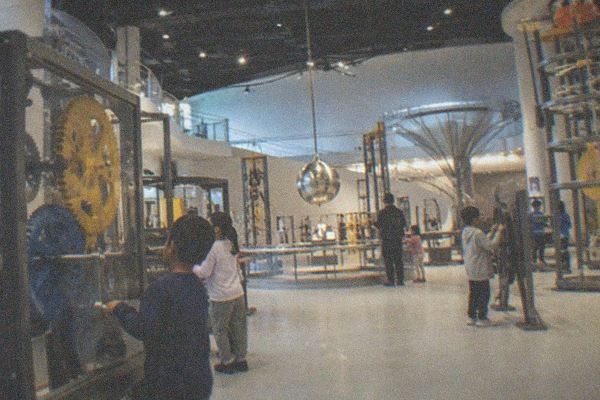
China Science and Technology Museum
Chaoyang
from $21 per person, live price on the listing Check availability →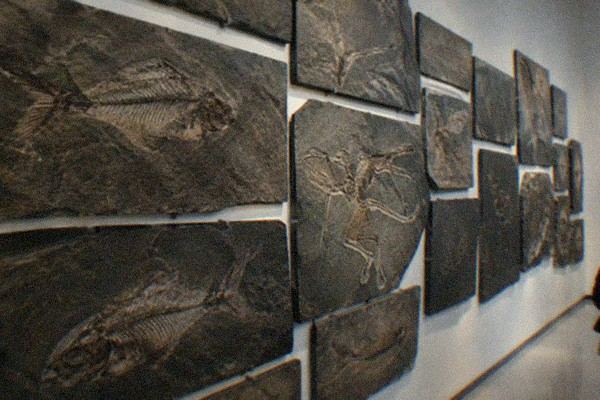
Current admission is on the museum's own ticket page.
Visitor info →Opens the museum's own website. Book on the official site; nothing is charged on this page.
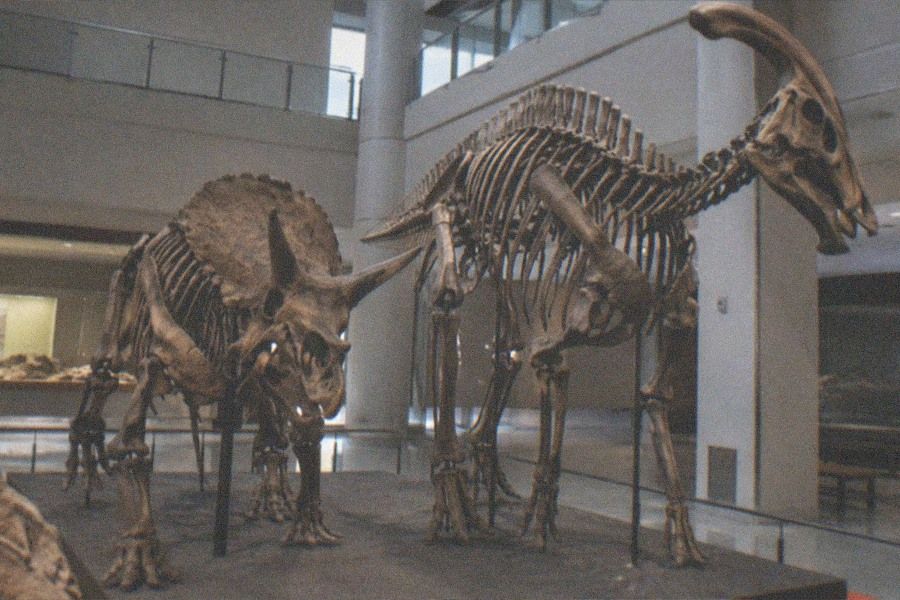
A museum built around bones that are hundreds of millions of years old stands directly across the street from the Beijing Planetarium, on Xizhimenwai Street in Xicheng District. The Paleozoological Museum of China, known locally as Zhongguo Gudongwu Guan, is the national museum of ancient vertebrates: mounted dinosaur skeletons, fish fossils older than any land animal, and the fossil evidence behind the story of how vertebrates crawled out of the sea. It is a compact, single-purpose institution, and that is exactly its appeal, a family can see the whole collection in a morning and still make it to the Planetarium or the zoo before lunch.
The Paleozoological Museum of China is Beijing's national museum of fossil vertebrates, run by the Institute of Vertebrate Paleontology and Paleoanthropology of the Chinese Academy of Sciences. It sits at 142 Xizhimenwai Street in Xicheng District, directly opposite the Beijing Planetarium and a short walk from the Beijing Zoo. Its collection covers fish, amphibians, reptiles, birds and mammals across roughly 500 million years of vertebrate history, with Chinese fossil localities unusually well represented.
The museum occupies a single main building arranged over several floors of exhibition halls. The ground floor carries the large mounted skeletons that most visitors come for, dinosaurs from Chinese digs, marine reptiles, and the enormous limb bones of extinct mammals. Upper floors trace the earlier chapters: jawless fish from Chinese Devonian rock, early tetrapods, and the mammal and bird material for which the institute's fieldwork is famous. Because the museum belongs to a research institute rather than a tourism operator, the labeling leans scientific, and many labels are in Chinese, so the exhibits reward visitors who arrive with some curiosity already in hand.
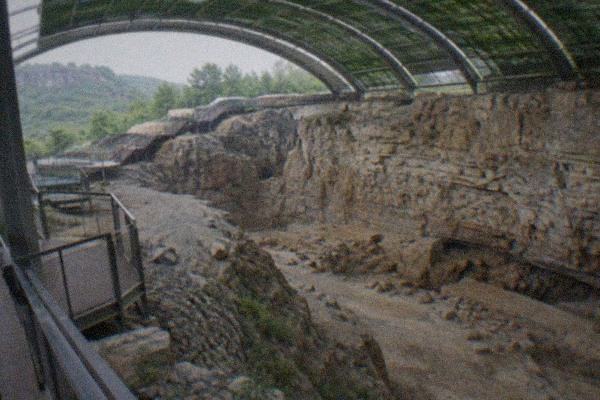
What distinguishes this museum from other natural history venues in the city is its focus. The National Natural History Museum of China covers living and extinct nature across the board; the Paleozoological Museum is specifically about ancient vertebrate life, and almost every major specimen on display was excavated in China. For travelers who have already seen the dinosaurs at the Zhoukoudian Peking Man Site Museum in Fangshan, this is the companion piece: the same institute's collection, displayed in the city rather than at the dig site.
The museum is a genuine science institution with a public exhibition arm, not a purpose-built tourist attraction, and the tone of the galleries reflects that. School groups are common on weekday mornings, and the building can feel busy at opening time before thinning out by early afternoon. Visitors expecting interactive screens and themed lighting, the style of the China Science and Technology Museum in Chaoyang, should adjust expectations: this is a specimen museum, and its strength is the bones themselves.
Standard adult admission to the Paleozoological Museum of China is CNY 20, paid at the venue. This is a door price in Chinese yuan, not a converted or third-party figure. The museum is not free, unlike many state museums in Beijing, and there is no affiliate ticket product for it on any international platform, the only booking route is the museum's own channel at https://www.paleozoo.cn/, where tickets and reservations are handled directly.
CNY 20 puts this museum at the low end of Beijing's paid venues, the same as the Beijing Ancient Observatory and the China Railway Museum's Dongjiao hall, and below the CNY 30 charged at the Zhoukoudian Peking Man Site Museum or the Beijing Auto Museum. Discounted and free categories exist for eligible groups such as children, seniors and students with valid ID, and those visitors still go through the reservation system rather than simply walking in.
| Ticket | Price |
|---|---|
| Standard adult admission (at the venue) | CNY 20 |
| Discounted and free categories (children, seniors, students with valid ID) | Free or reduced, reservation still required |
| Third-party booking platforms | No product exists for this museum |
Two cautions on price. First, do not confuse this museum's CNY 20 door price with any multi-attraction package sold elsewhere, combination products that name several Beijing sites are a different transaction and guarantee entry to none of them. Second, the museum's own website is the authoritative source for the current price and any temporary exhibition surcharges; the official site is in Chinese, so a translation tool in the browser is useful at checkout. The museum has no English-language version of its site, which is worth knowing before you start the booking process.
Yes. A reservation is required for the Paleozoological Museum of China, and the booking window opens up to 6 days ahead of your visit date. The reservation runs through the museum's official WeChat public account and mini-program, with tickets handled via the museum's own channel at https://www.paleozoo.cn/. The exact time of day at which each day's slots release is not published, so there is no single daily release hour to camp on.
This is the standard Beijing real-name system: you book a dated, timed slot against an identity document, and you show that same document at the door. A foreign passport is accepted for the identity verification at this venue, so international visitors are not locked out of the official channel, but the interface is Chinese-language, and the process is smoother with WeChat installed and set up on your phone before you try. Budget ten or fifteen minutes the first time you use the mini-program rather than attempting it on the museum steps.
Practical timing advice follows from the 6-day window. You cannot book more than 6 days out, so there is no advantage in trying weeks ahead, the slot simply will not exist yet. Six days is a shorter runway than the 7-day windows at the Forbidden City or the China Science and Technology Museum, and shorter than the 10 days at Prince Gong's Mansion, which means you should set a reminder for the day your target date enters the window rather than assuming you can lock it in early. Demand at this museum is real but not brutal: weekends and school holidays fill first, and weekday mornings are usually obtainable even a day or two ahead. The one date to be strict about is Monday, the museum is closed every Monday, and a Monday booking attempt will simply fail.
Because the release time of day is not published, the workable strategy is to check the booking channel on the morning your date opens and again in the evening if the morning shows nothing. Do not treat any third-party seller as a shortcut for this museum, none carries it, and a resold or unofficial ticket for a real-name venue in Beijing is a ticket that will not match your passport at the gate.
The Paleozoological Museum of China is at 142 Xizhimenwai Street, Xicheng District, Beijing, the north side of the street, directly opposite the Beijing Planetarium at number 138. Xizhimen is one of the city's best-connected transport hubs, with the Line 2, Line 4 and Line 13 interchange at Xizhimen station and the Beijing Zoo station on Line 4 also within reasonable walking distance of the museum. Schedules and line information are on the operator's site at https://www.bjsubway.com/.
Coming by Metro, the Xizhimen interchange is the anchor: from there it is a walk west along Xizhimenwai Street, past the zoo's south gate area, with the Planetarium's domes on your left across the road marking that you have arrived. Beijing Zoo station on Line 4 sits slightly further west and works just as well if your train comes in on that line, the museum, the Planetarium and the zoo form a tight triangle, and any station serving one of them serves all three. The street itself is a wide, signposted boulevard with crossings at regular intervals, so the final approach is straightforward even on a first visit.
By car or taxi, Xizhimenwai Street is a major artery and drivers know the Planetarium as a landmark, giving that as the drop-off reference usually works better than the museum's Chinese name. The surrounding blocks carry heavy traffic at rush hour, so a taxi arriving between 8:00 and 9:30 or between 17:00 and 19:00 will be slow; mid-morning and early afternoon are the painless windows. Parking in this part of Xicheng is limited and the zoo next door generates heavy weekend demand for every space in the district, so on Saturdays, Sundays and holidays the Metro is not just cheaper but genuinely faster door to door.
The location is the museum's hidden advantage. The Beijing Planetarium is across the street; the Beijing Zoo is a few minutes' walk; the National Natural History Museum of China on the other side of town covers the living-world side of natural science. A visitor with a full day can do the Paleozoological Museum in the morning, the Planetarium after lunch, and still have daylight left. Note that the Planetarium closes on Tuesdays rather than Mondays, so the pairing works best on a Wednesday through Sunday, when both are open.
Allow about two hours for the Paleozoological Museum of China. The building is compact by Beijing museum standards, the collection is focused on fossil vertebrates rather than spanning centuries of artifacts, and a steady walk through the main halls with stops at the mounted skeletons covers it comfortably in a morning or afternoon. Families with young dinosaur enthusiasts often stay longer; visitors with no particular interest in paleontology will finish faster.
A sensible sequence is to start on the ground floor with the large mounted skeletons, where the visual impact is concentrated, then work upward through the geological timeline so the story reads in order, water first, land later. The halls are not enormous, so there is no need to plan a route the way you would at the Forbidden City or the National Museum of China; you can wander without losing anything important. The museum closes on Mondays, so the planning decision that actually matters is the day of the week, not the hour of arrival.
| At a glance | Detail |
|---|---|
| Closed day | Monday |
| District | Xicheng |
| Address | 142 Xizhimenwai Street, Xicheng District, Beijing |
| Reservation required | Yes |
| Booking window | Up to 6 days ahead |
| Time to allow | About 2 hours |
Pairing the visit is where the timing pays off. Two hours here plus two hours at the Planetarium across the street makes a full, easy day in Xicheng without a single long Metro transfer. If you are traveling with children, the zoo next door can extend the day further, though it doubles the walking. If your interest is specifically human origins rather than ancient animals, the fuller story is at the Zhoukoudian Peking Man Site Museum out in Fangshan, which is a half-day trip in itself and should not be squeezed into the same day as this museum.
The Paleozoological Museum of China suits families with school-age children, anyone with a genuine interest in fossils or paleontology, and visitors who have already seen Beijing's headline museums and want something specific. It does not suit visitors who want broad history, art, or interactive technology displays, those needs are better met by the Capital Museum, the National Art Museum of China, or the China Science and Technology Museum respectively.
For families, the combination of mounted dinosaur skeletons, a compact building and a two-hour visit length is close to ideal. Children old enough to be excited by a full skeleton but young enough to tire in a giant museum will get the payoff without the exhaustion. The CNY 20 adult price also keeps a family outing cheap by Beijing standards, and the zoo next door gives you a reward activity if interest runs out early.
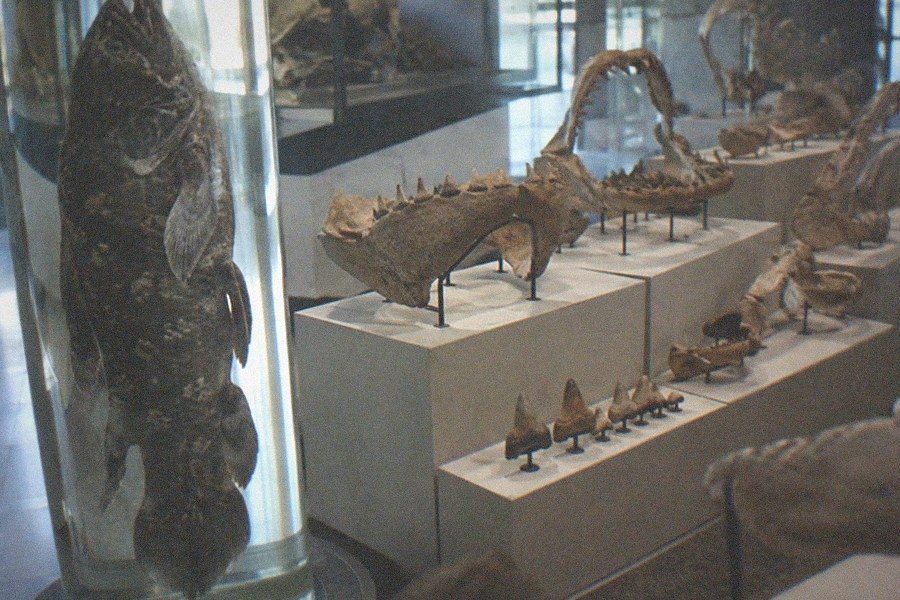
For serious enthusiasts, the museum's connection to the Institute of Vertebrate Paleontology and Paleoanthropology is the draw: this is a research institute's public face, and the collection reflects decades of Chinese fieldwork rather than purchased display pieces. The labeling is scientific in tone and largely in Chinese, so serious visitors get more out of it with a translation app and some background reading. Casual visitors should not be put off, the skeletons speak for themselves, but they should know that this is a specimen museum, not a themed entertainment venue.
Who should skip it? Visitors with only two or three days in Beijing and no particular interest in fossils will get more from the Forbidden City, the Temple of Heaven or the National Museum of China. And anyone who cannot handle a Chinese-language booking interface without help should plan for that friction in advance, the reservation system is the one genuinely demanding part of this visit, and it is unavoidable, because entry without a reservation is not possible.
Standard adult admission is CNY 20, paid at the venue. Discounted and free categories exist for eligible groups such as children, seniors and students with valid ID, and those visitors still need a reservation. There is no third-party ticket product for this museum, booking goes through the museum's own channel.
No. Unlike many state museums in Beijing, this one charges admission: CNY 20 for a standard adult ticket. Free entry applies only to specific eligible categories, and even free-category visitors go through the reservation system rather than walking up.
Yes, a reservation is required for every visitor. The booking window opens up to 6 days ahead of your visit date through the museum's official WeChat account and mini-program. The exact time of day at which slots release is not published.
The Paleozoological Museum of China is closed on Mondays. This is the single most common planning mistake for Beijing museums, so build your itinerary around Tuesday through Sunday for this venue. Note that the Beijing Planetarium across the street closes on Tuesdays instead.
Yes. A foreign passport is accepted for the identity verification in the reservation process at this venue. The booking interface is in Chinese and runs through WeChat, so install and set up WeChat before you start, and allow ten to fifteen minutes for the first booking.
About two hours covers the museum comfortably. The building is compact and the collection is focused on fossil vertebrates, so there is no need to plan a route. Families with keen children often stay longer; pairing with the Planetarium across the street makes a full day.
The address is 142 Xizhimenwai Street, Xicheng District, Beijing, directly opposite the Beijing Planetarium. The Xizhimen Metro interchange on Lines 2, 4 and 13 is the nearest major hub, with Beijing Zoo station on Line 4 also within walking distance. Metro information is at https://www.bjsubway.com/.
Yes, for school-age children it is one of the easier Beijing museums: mounted dinosaur skeletons, a two-hour visit, a CNY 20 adult price, and the Beijing Zoo a few minutes' walk away for a follow-on activity. It is a specimen museum rather than an interactive one, so very young children may engage less.
Chaoyang
from $21 per person, live price on the listing Check availability →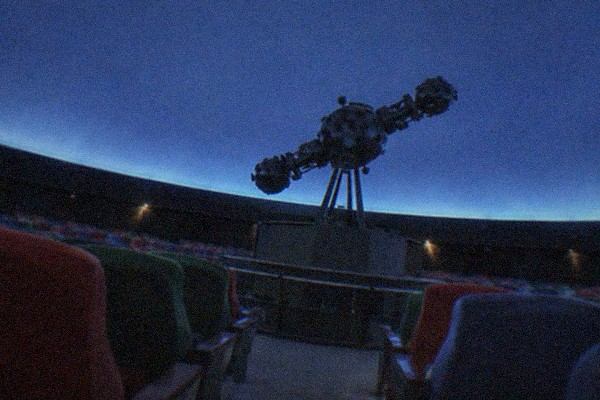
Fangshan
from $13 per person, live price on the listing Check availability →