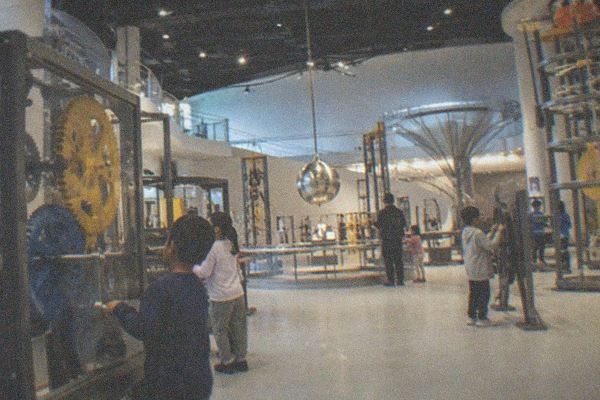
China Science and Technology Museum
Chaoyang
from $21 per person, live price on the listing Check availability →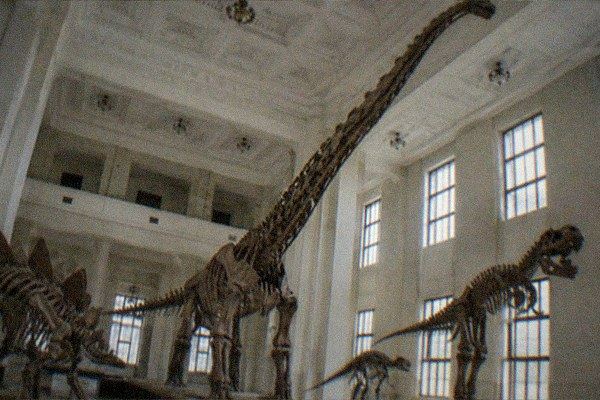
Free entry, no ticket needed.
Plan your visit →Opens the museum's own visitor page. There is nothing to book: the permanent collection is free.
Dinosaur skeletons, taxidermy halls and fossil displays fill the National Natural History Museum of China on Tianqiao South Street, one of Beijing's most visited free museums and a fixture of Chinese school trips. The permanent exhibitions cost nothing, which is the good news. The catch is the reservation: entry is by advance real-name booking only, individual slots open three days ahead at 11:00, and there is no on-site option at all. Families who arrive at the door without a booking are turned away, weekend quota disappears fast, and the museum closes on Mondays. Getting the booking right is the entire game here.
The National Natural History Museum of China, formerly the Beijing Museum of Natural History, is a free natural science museum at 126 Tianqiao South Street in Dongcheng District, covering paleontology, zoology, botany and human biology through skeleton mounts, fossils and dioramas. It is one of the largest natural history museums in China and a standard destination for Beijing school groups, which shapes everything about how you should visit it.
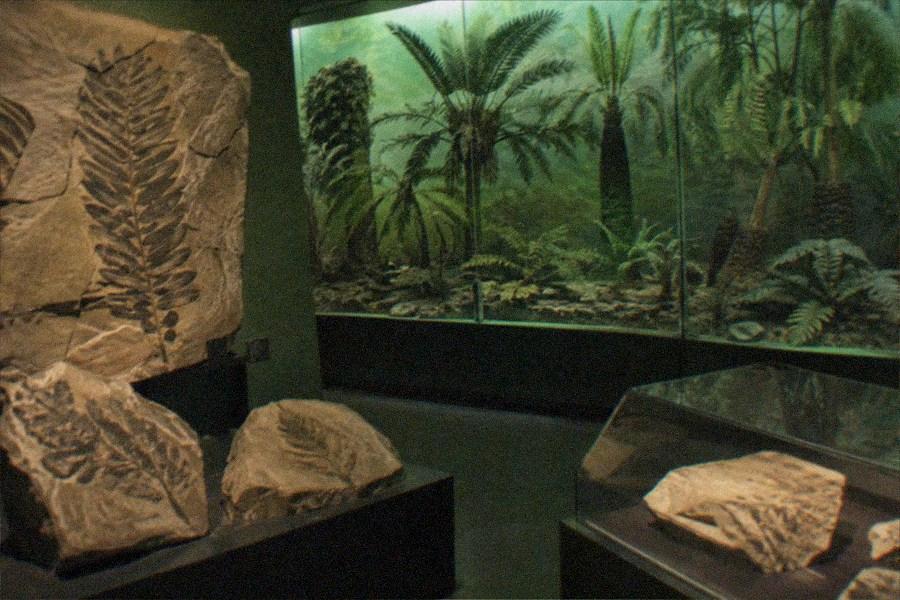
The museum sits just south of the Temple of Heaven, in the Tianqiao area of Dongcheng. Its galleries walk through the history of life on Earth: dinosaur and ancient reptile displays are the headline attraction for most families, alongside invertebrate fossils, taxidermy of Chinese wildlife, plant specimens and exhibits on human origins. The collection grew out of the old National Central Museum's natural history holdings and has been a public institution in this location for decades, rebuilt and expanded over the years into the building you see today.
Two practical things define a visit more than the exhibits themselves. First, the museum is overwhelmingly popular with Chinese families and organized school groups, so weekday mornings are calmer and weekends are crowded. Second, it is free but strictly reservation-only, which means the planning has to happen before you leave your hotel, not at the entrance. The museum publishes its visiting information in English as well as Chinese on its official site, which helps foreign visitors book without a translator.
If your interest is specifically paleontology rather than natural history in general, Beijing offers a useful split: this museum covers the broad sweep of life on Earth, while the Paleozoological Museum of China in Xicheng focuses purely on fossil vertebrates, and the Zhoukoudian Peking Man Site Museum covers human origins at the actual excavation site far to the southwest. For hands-on physics and technology instead, the China Science and Technology Museum in Chaoyang is the bigger-budget cousin, with paid admission and its own reservation system.
General admission to the permanent exhibitions is free: CNY 0 at the door, with no paid ticket to buy for the main galleries. What is not free is everything around the entry. A timed reservation is mandatory, some temporary exhibitions carry a separate charge, and parking in the Tianqiao area is paid. The museum sells nothing through third-party ticket platforms.
This is one of Beijing's genuinely free museums, in the same tier as the Capital Museum and the National Art Museum of China: the permanent collection costs nothing to see. The museum's own English-language pages state plainly that admission is free and that some temporary exhibitions are charged separately. If a paid special exhibition is running during your visit, you buy that ticket through the museum's own channels when you reserve or on arrival with your reservation in hand.
| Item | Price | Notes |
|---|---|---|
| Permanent exhibitions (adult) | Free (CNY 0) | Advance real-name reservation required; no on-site booking |
| Temporary exhibitions | Charged separately | Price varies by exhibition; only some exhibitions carry a charge |
| Reservation | Free | Individuals book 3 days ahead; groups 4 days ahead |
Because entry is free, there is no discount structure to navigate, no student or senior rate to hunt for, and no combination ticket to weigh up. That simplicity is worth something. Compare it with the paid science museums in the city, where you are choosing between main-hall tickets, children's zones and theater sessions priced individually, and the free-but-reserved model here starts to look straightforward.
The honest cost of this museum is time and logistics, not money. The reservation has to be made three days out, the daily quota runs out on popular dates, and a Monday arrival means a closed door. Budget your attention for those three things and the visit itself costs you nothing.
Every visitor needs an advance real-name reservation; there is no walk-up or on-site booking option at all. Individuals book three days ahead of the visit date on the museum's official website or WeChat account, with the daily quota refreshed at 11:00 Beijing time. Groups book four days ahead. One reservation per ID per day.
The system works like this: you go to the museum's official reservation page at https://www.nnhm.org.cn/cgzx/cgxx/index.shtml or its WeChat account, choose your date and time slot, and register with a real name and ID number. Foreign visitors can book using a passport for the real-name registration. The quota for each day is released in stages, refreshed daily at 11:00, so if you are trying for a weekend date during a school holiday, you need to be online at 11:00 three days before your intended visit, not browsing casually the evening before.
Three days is a short window compared with most of Beijing's major museums. The Palace Museum opens seven days ahead, the National Museum of China seven days at 17:00, the National Art Museum seven days at 16:00. The short window here cuts both ways: you do not need to plan a fortnight out, but you also cannot lock in a slot early and forget about it. Set a reminder for 11:00 on the right day.
Bring the same document you registered with. The real-name system means the passport or ID number on the reservation is checked against the document at entry, so a booking made on a friend's account under the wrong name will not get you in. If you are traveling as a family, each person needs their own slot under their own name, including children if the rules at the time of your visit require it.
What happens if the quota is gone? There is no fallback at the door. Your options are to try again at 11:00 the next day for a different date, or to pivot to one of the museums nearby that take genuine walk-ups. The Beijing Planetarium is west of here in Xicheng, though it has its own reservation requirements for shows; the Beijing Planetarium page covers that system in detail.
The museum is at 126 Tianqiao South Street, Dongcheng District, in the Tianqiao area directly south of the Temple of Heaven. Beijing's Metro is the practical way to arrive: the museum is a short walk from stations on the lines serving the Tianqiao area, and full network maps, fares and station information are on www.bjsubway.com. Driving is possible but parking around Tianqiao is limited and paid.
Tianqiao is one of the better-connected corners of old south-central Beijing. The Metro fare structure is flat and cheap by any international standard, and stations in this area sit on routes that also serve Qianmen, the Temple of Heaven and Dashilan, which makes a combined day easy to build. Check the line and exit closest to Tianqiao South Street on the Beijing Subway site before you set out, since the correct exit saves a ten-minute walk with children in tow.
Arriving by car is the weaker option. The museum is on a busy street in a dense, older district, and there is no large dedicated visitor car park of the kind you find at purpose-built museums in the suburbs. Street parking and commercial lots in the surrounding blocks are paid, and no official rate for museum parking is published, so treat parking as whatever the nearby lot charges and expect it to be scarce on weekends. A taxi or ride-hail drop-off on Tianqiao South Street avoids the parking problem entirely and is what most visiting families do.
| At A Glance | |
|---|---|
| Area | Dongcheng District |
| Address | 126 Tianqiao South Street, Dongcheng District, Beijing |
| Closed day | Monday (except statutory holidays) |
| Reservation required | Yes, mandatory, no on-site option |
| Booking window | Opens 3 days ahead; quota refreshed daily at 11:00 (groups 4 days) |
| Parking | Limited paid parking in surrounding streets and lots; no official museum rate published |
| Time to allow | About 2 to 3 hours for the permanent exhibitions |
The Monday closure is the single most expensive planning mistake available here. The museum closes every Monday except statutory holidays, when it stays open and the surrounding sites do too. If your Beijing itinerary has the Temple of Heaven on a Monday, do not assume the natural history museum next door will absorb the afternoon; it will be shut.
Allow two to three hours for the permanent exhibitions at an adult pace, longer with children who want to linger at the dinosaur displays. The museum's location is its hidden asset: the Temple of Heaven is immediately to the north, Qianmen and Dashilan are a short hop away, and the whole southern stretch of the old city can be walked in one day.
The museum is compact by the standards of national institutions, which is part of its charm. You are not signing up for a full-day marathon as you would at the National Museum of China; two hours covers the highlights and three lets you read cases properly. A sensible sequence is a morning museum slot followed by lunch in the Qianmen area and an afternoon in the Temple of Heaven park, which works because the park is open daily while the museum is not, so the park can absorb any day of the week.
With children, pair this museum with others in the same science-nature family rather than with imperial sites. The China Science and Technology Museum in Chaoyang is the obvious second day, with hands-on halls aimed squarely at kids, though it is paid and on the far side of the city. The Zhoukoudian Peking Man Site Museum suits older children with a specific interest in human evolution, but it is in Fangshan, far to the southwest, and is a half-day trip in itself rather than a pairing.
For a same-afternoon pairing without travel, the Tianqiao neighborhood itself is worth the walk: it is the historic home of Beijing folk performance culture, and the area around the museum has been redeveloped with that heritage in mind. The Temple of Heaven's east gate is the nearest major entrance to the museum, which makes the two-site day a genuinely walkable circuit rather than a Metro-and-taxi shuffle.
Families with children between roughly five and twelve are this museum's core audience, and it serves them extremely well: dinosaur skeletons, animal displays and human-origins galleries pitched at a school-trip level. Adults with a serious research interest will find the permanent halls broader than deep, and should calibrate expectations accordingly.
The strength of the museum is accessibility. Displays are designed for a general audience, the building handles large school groups without collapsing into chaos, and the free price means a family of four can spend a morning here for the cost of the Metro fare. If your children have outgrown toy dinosaurs but are not yet ready for university-level paleontology, this is the sweet spot. The Beijing Planetarium covers a similar age range for astronomy and makes a natural second stop for a science-minded child, subject to its own show-based ticketing.
Who should skip it or adjust plans? Visitors with only two or three days in Beijing and a priority list topped by imperial sites will find the reservation requirement and Monday closure eat more planning effort than the visit repays; the Temple of Heaven next door is the stronger single stop in this neighborhood. Anyone with mobility concerns or a strong aversion to crowds should target a weekday morning slot, arriving for the first entry window, because midday weekends bring the school groups in force.
For residents and long-stay visitors, the museum earns its place differently: the rotating temporary exhibitions, some of them paid, give repeat visits a reason to exist, and the short three-day booking window makes this one of the easiest major museums in Beijing to slot into a week on short notice. That flexibility, more than any single exhibit, is what distinguishes it from the seven-day-window giants elsewhere in the city.
Yes. General admission to the permanent exhibitions is free, CNY 0 at the door. Some temporary exhibitions carry a separate charge, and parking in the surrounding Tianqiao streets is paid, but the main galleries cost nothing to enter.
No. The museum has no on-site booking option at all. Every visitor needs an advance real-name reservation made on the official website or WeChat account, and the document you registered with is checked at entry. Arriving without a booking means being turned away.
Individuals book three days ahead of the visit date, with the daily quota refreshed at 11:00 Beijing time. Groups book four days ahead. For weekend or holiday dates, be online at 11:00 on the release day, because the quota runs out.
Yes. Foreign visitors can register with a passport for the real-name reservation on the museum's official channels. Bring the same passport on the day, since the reservation is checked against the document at the entrance.
Every Monday, except statutory holidays, when it stays open. This is the most common planning mistake for this museum: a Monday visit, or a trip built around the Temple of Heaven on a Monday, will find the natural history museum shut.
About two to three hours for the permanent exhibitions at an adult pace, longer with children who want to linger at the dinosaur skeletons. The museum is compact compared with Beijing's national museums, so it pairs easily with the Temple of Heaven in a single day.
It is at 126 Tianqiao South Street in Dongcheng District, just south of the Temple of Heaven. The Metro is the practical way to arrive, with network and fare information at www.bjsubway.com. Parking nearby is limited and paid, with no official museum rate published.
Yes, it is one of Beijing's best free museums for children, with dinosaur skeletons, animal displays and human-origins galleries pitched at a school-trip level. Aim for a weekday morning slot; weekends bring large school groups and family crowds.
Chaoyang
from $21 per person, live price on the listing Check availability →
Fangshan
from $13 per person, live price on the listing Check availability →