Confucius Temple and Imperial College Museum
Dongcheng
from $12 per person, live price on the listing Check availability →
Free entry, no ticket needed.
Plan your visit →Opens the museum's own visitor page. There is nothing to book: the permanent collection is free.
At the eastern edge of Beijing, where the Grand Canal historically met the city, the Beijing Grand Canal Museum tells the story of the man-made waterway that carried grain, goods and people to the capital for centuries. The museum, also known as the Capital Museum East Branch, stands in the canal-side cultural district of Tongzhou, and its galleries trace how this river shaped the way Beijing was fed, built and governed. General admission is free, and unlike most free museums in the capital, no advance reservation is needed: you simply walk up. This guide covers tickets, the Monday closure, getting there, and how to plan the day.
Yes, general admission to the Beijing Grand Canal Museum is completely free. The door price is zero CNY, there is no paid ticket for the permanent galleries, and no booking stands between you and the entrance. Among Beijing's free museums it is also one of the easiest to actually get into, because it accepts walk-ups rather than timed slots.
Free admission here means what it says. There is no concession structure to navigate, no peak-season rate, no combination ticket you are quietly steered toward. The permanent presentation on the Grand Canal and on Tongzhou, the canal town at the waterway's northern end, costs nothing to see. That puts the museum in the same free tier as the Capital Museum and the Museum of the War of Chinese People's Resistance Against Japanese Aggression, but with an important difference in ease of entry that is covered in the next section.
What is not free is worth naming plainly, because it is where a visitor's money actually goes. Parking in the surrounding Tongzhou cultural district is paid and is entirely separate from museum admission, if you arrive by car, the car is the one thing you will pay for. Special exhibitions, when the museum runs ticketed ones, are also charged separately from the free general admission. The core visit itself never acquires a price.
| Ticket | Price |
|---|---|
| General admission (permanent galleries) | Free, 0 CNY at the door |
| Advance reservation | Not required, walk-up entry |
| Ticketed special exhibitions, when running | Charged separately from admission |
| Parking in the district | Paid, separate from admission |
The museum's own website, https://www.canalmuseum.org.cn/, is where current exhibitions and visitor notices are published, and it is the right channel for anything timed or ticketed that comes up during your visit window. Nothing on the general-admission side requires it.
No. The Beijing Grand Canal Museum is one of the small group of Beijing museums that take genuine walk-up entry, no timed slot, no real-name booking, no daily quota to compete for. You arrive, pass security, and walk in. Of the thirty-one major venues this site covers, twenty-two require an advance real-name reservation; only six take true walk-ups, and this is one of them.
That rarity is the single most useful planning fact about this museum. The free museums visitors usually hear about are the hard ones. The National Museum of China is free but its timed reservation opens seven days ahead at 17:00 Beijing time, and popular dates run out. The Military Museum of the Chinese People's Revolution is free but releases slots eight days ahead at 08:00, 17:00 and 20:00. The Beijing Grand Canal Museum asks for none of that: no window, no release time, no alarm set for a booking drop.
Because there is no reservation, there is also nothing to register a passport against in advance. The booking systems that frustrate foreign visitors elsewhere in Beijing, mini-programs, daily caps, slots vanishing minutes after release, simply do not apply here. The trade-off is distance: this museum sits far out in Tongzhou, so the effort you save on booking you spend on travel. For anyone who has fought the reservation systems at the big central museums, walking straight into a major free museum is a genuinely pleasant change.
One caution carries over from every other museum in the city: the closed day. The Beijing Grand Canal Museum is closed on Mondays, except national holidays. A Monday arrival, reservation or no reservation, is the most expensive planning mistake available here. Every other day of the week works, and because entry is not slotted, you are not tied to an arrival time you booked weeks ago.
The Beijing Grand Canal Museum is a history-and-culture museum devoted to the Grand Canal, the man-made waterway that linked Beijing to the south, and to Tongzhou, the canal town at its northern end that grew rich unloading the capital's grain. Expect canal history, archaeology and Beijing city stories, presented at museum scale, rather than fine art or blockbuster exhibitions as the permanent draw.
The Grand Canal is the organizing idea of everything inside. For centuries the canal was the supply line that made Beijing viable as a capital: grain from the southern harvests came north by boat, and Tongzhou, where the canal met the city, was the unloading point, the warehouses, wharves and merchant streets of the museum's home district grew directly out of that traffic. The galleries take that story from the waterway's engineering and operation through to the everyday life it carried: boats, cargo, the towns along the banks, and the slow shift from water transport to rail and road that left the canal a heritage site rather than a working artery.
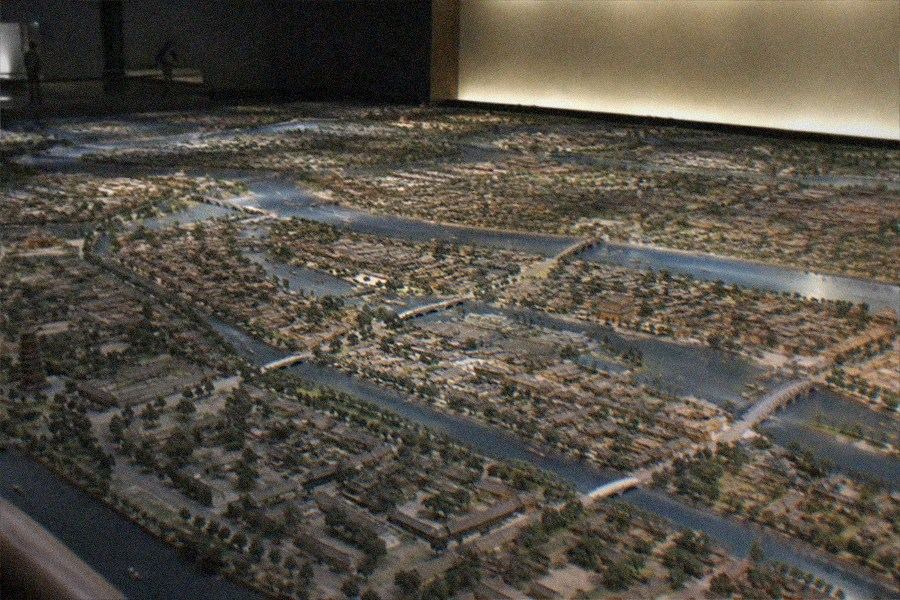
The museum is also known as the Capital Museum East Branch, and that relationship tells you something about its character: it is a large, purpose-built institution with the curatorial resources of the Capital Museum behind it, not a small district hall. The building sits in the canal-side cultural district of Tongzhou, deliberately placed where the canal story actually happened, and the district itself, parks, water and new cultural architecture, reads as part of the same narrative once you step back outside.
For English-speaking visitors, one honest note: the museum's own website does not carry an English version, so the depth of English-language labeling inside is worth setting expectations about before you go. The story the museum tells, a river, a capital, and the town that connected them, is visual and physical enough that it carries a visit even where text support thins out.
The museum stands at Building 5, 1 Luxin Street, Tongzhou District, at Beijing's eastern edge, a genuinely long way from the center, so treat travel time as part of the plan rather than an afterthought. The subway network reaches Tongzhou, and driving is workable, with paid parking in the district. Whichever way you go, this is not a museum you stumble past between two other sights.
By subway, Tongzhou sits at the far eastern end of the Beijing network, and the ride out from the center is a real journey, comfortable and cheap, but long enough that you should build your day around it rather than squeeze the museum between other commitments. Beijing Subway's own site, https://www.bjsubway.com/, carries the full network map and fare information, and it is the authoritative place to plan the route and count the transfers before you set out. From the relevant station, the walk or short hop to the canal-side cultural district completes the trip.
By car, the museum's position in a purpose-built cultural district is an advantage: the district was laid out with visitors in mind, and parking exists there. It is paid parking, separate from the museum's free admission, the car is the one thing on this visit that will cost money. The drive out from central Beijing is straightforward in direction but subject to the capital's traffic, so an off-peak start saves real time in both directions.
The distance cuts both ways. It keeps the museum noticeably calmer than the central institutions, and it makes the visit feel like an outing rather than a queue. But it also means Monday is not the only day to avoid, a late start that lands you in Tongzhou mid-afternoon will compress what you can comfortably see. Go early, and let the district, the water and the museum fill the day at a sane pace. The museum works as a day trip by design, and that is the honest way to plan it.
Allow roughly half a day for the Beijing Grand Canal Museum itself, and treat the surrounding canal-side cultural district as part of the same visit, the district is half the reason to come out to Tongzhou. The museum is closed on Mondays except national holidays; every other day works, and because entry is unslotted, you set your own arrival time.
Half a day covers the permanent galleries at a proper pace, with time for the objects that deserve stopping for rather than a sweep past everything. Visitors who want to add the district, the waterfront, the parks, the walkable new quarter around the museum, should plan the full day and treat the museum as the anchor of it rather than the whole trip. Families get particular value from that shape: the museum is free, so there is no sunk cost pressuring anyone to stay interested past their limit, and the district gives children somewhere to run when the galleries are done.
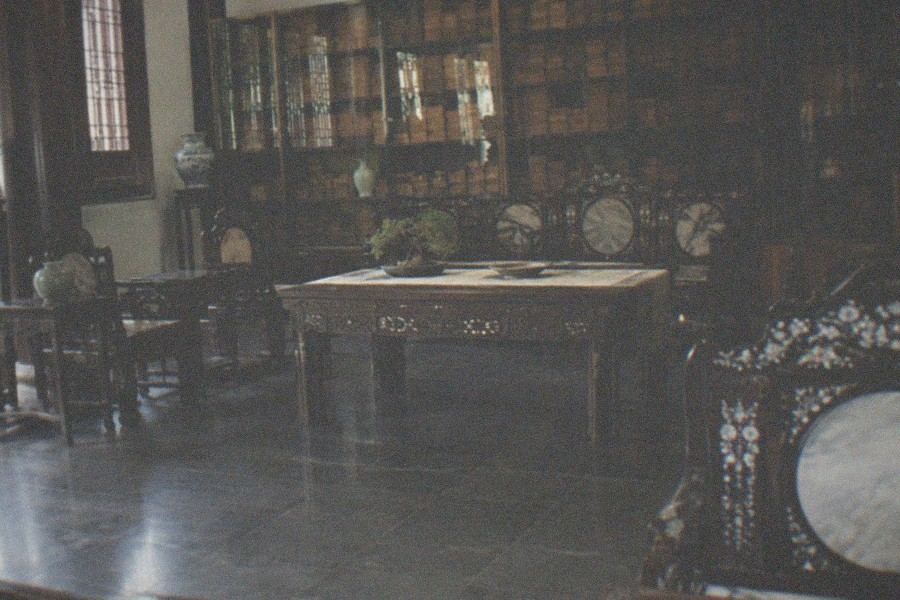
Sequencing advice is simple: arrive early, do the museum first while legs are fresh, then give the district the looser second half of the day. If you are pairing the trip with anything back in central Beijing, be realistic about the return journey, Tongzhou to Dongcheng is not a five-minute hop, and the day-trip framing exists for a reason.
| Fact | Detail |
|---|---|
| Area | Tongzhou District, eastern Beijing |
| Address | Building 5, 1 Luxin Street, Tongzhou District, Beijing |
| Closed day | Monday (except national holidays) |
| Reservation required | No, walk-up entry, no booking window |
| Admission | Free |
| Time to allow | About half a day; a full day with the district |
| Parking | Paid, separate from admission |
Nothing about this visit is time-boxed by a ticket: no last-entry deadline imposed by a booked slot, no penalty for arriving at noon instead of nine. The only hard edges are the Monday closure and the journey itself.
The Beijing Grand Canal Museum suits anyone curious about how Beijing actually worked, the grain boats, the warehouses, the waterway that fed a capital, and families who want a free, calm alternative to the crowded central museums. It suits visitors less well if the goal is famous art, imperial treasures or a checklist institution within walking distance of other sights.
The ideal visitor here is interested in systems and stories rather than star objects. The canal is infrastructure history: how a city of Beijing's size got fed, how a waterway shaped settlement, how a district like Tongzhou existed because of boats. If that framing sounds dry, it is not, it is the history of ordinary things at scale, and the museum's position in the landscape it describes gives it a coherence that central museums cannot match. You leave the galleries and stand in the place the galleries were about.
It is also the right choice for the visitor worn down by Beijing's reservation machinery. Every other major free museum in the center asks you to book ahead, watch a release time, and risk a sold-out date. This one asks for a train ride and nothing else. For a traveler with a loose schedule and a free Monday-to-Friday day, that simplicity is worth the distance.
By contrast, if your Beijing time is short and centered on the greatest hits, spend it elsewhere: the National Museum of China for the national story, or the Confucius Temple and Imperial College Museum for imperial scholarship and architecture, both in the center and both closer to everything else you will want to see. Come to Tongzhou when you have a day to give the trip and an appetite for the canal's particular, unglamorous, genuinely important history.
Yes. General admission is completely free, the door price is zero CNY and there is no paid ticket for the permanent galleries. The things that can cost money are separate from admission: paid parking in the Tongzhou cultural district, and any ticketed special exhibition the museum happens to be running during your visit.
No. The museum takes genuine walk-up entry, no timed slot, no real-name reservation, no daily quota. Of the thirty-one major Beijing venues this site covers, only six accept true walk-ups, and this is one of them. You simply arrive on any day it is open, pass security, and enter.
It is closed on Mondays, except national holidays. That is the one hard planning rule for this museum: a Monday arrival is the most expensive mistake available, because no amount of arriving early helps on a closed day. Every other day of the week works, and entry is not tied to a booked time.
Allow about half a day for the museum itself, at a comfortable pace through the Grand Canal galleries. If you add the surrounding canal-side cultural district, the waterfront, parks and walkable quarter around the building, plan the full day. The museum works as a day trip, which is the honest way to schedule it.
It is at Building 5, 1 Luxin Street, Tongzhou District, at Beijing's eastern edge. The subway network reaches Tongzhou, and Beijing Subway's own site at https://www.bjsubway.com/ has the network map for planning the ride. Driving is also workable, with paid parking in the district, the car is the one thing you will pay for.
No. Parking in the surrounding Tongzhou cultural district is paid and is entirely separate from the museum's free admission. Admission itself never acquires a price, the permanent galleries cost nothing, but if you arrive by car, budget for the parking on top of a free visit.
Yes, it is genuinely a day-trip museum. Tongzhou sits at the far eastern end of the city, so the journey out and back is part of the day. Arrive early, do the museum first, then give the canal-side district the looser second half of the day rather than squeezing the trip between central Beijing sights.
Dongcheng
from $12 per person, live price on the listing Check availability →