Confucius Temple and Imperial College Museum
Dongcheng
from $12 per person, live price on the listing Check availability →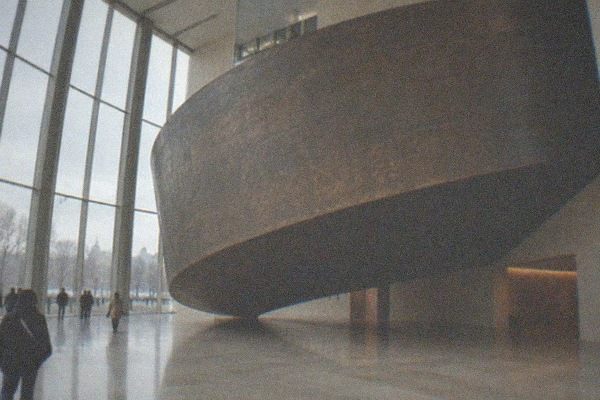
Free entry, no ticket needed.
Plan your visit →Opens the museum's own visitor page. There is nothing to book: the permanent collection is free.
A bronze ritual vessel from the Western Zhou dynasty, a jade burial suit sewn with gold thread, and an entire reconstructed Beijing hutong street under one roof: the Capital Museum tells the story of the city itself, from a frontier garrison town to imperial capital. It sits on Fuxingmenwai Street in Xicheng District, inside a striking modern building whose slanted bronze cylinder echoes the city's ancient walls. Unlike most major Beijing museums, it does not demand an advance online reservation. General admission is free, and you walk in with a valid ID or passport. That combination, free entry and walk-up access, is rare enough in Beijing to shape your whole plan.
The Capital Museum is Beijing's city museum, a large history-and-culture institution in Xicheng District dedicated to the story of Beijing itself, from its earliest settlements through its imperial centuries to the modern capital. General admission is free, entry is walk-up with valid ID, and it is closed on Tuesdays. Its address is 16 Fuxingmenwai Street, Xicheng District, Beijing.
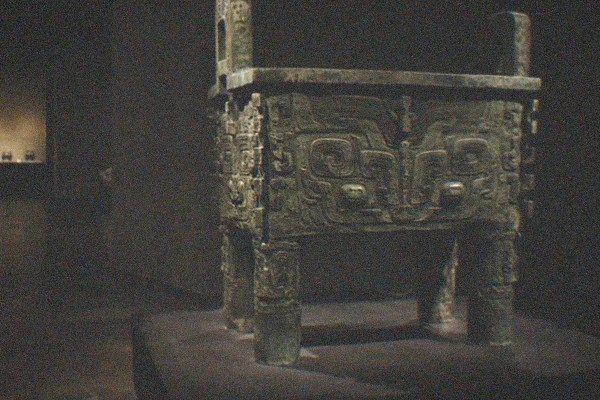
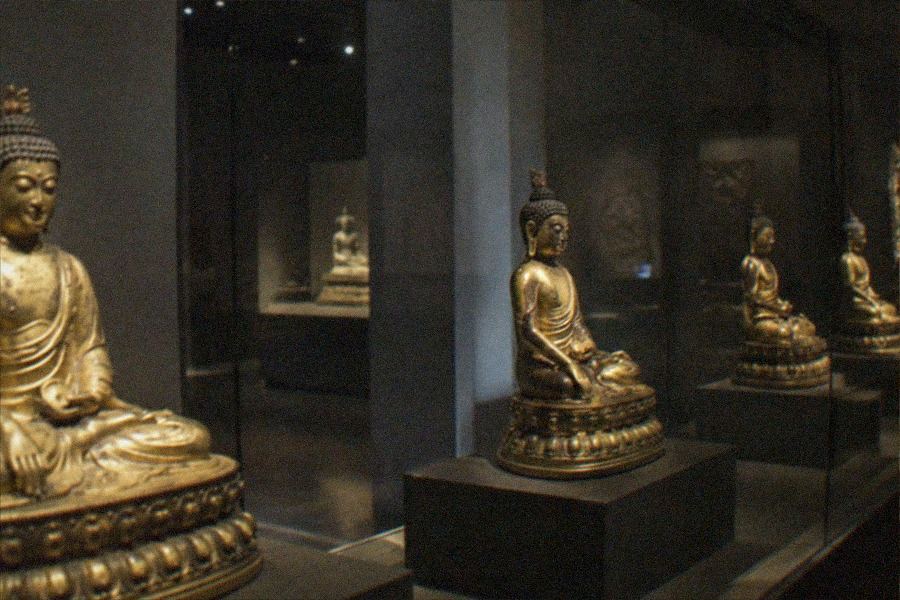
Where the National Museum of China covers the whole sweep of Chinese civilization, the Capital Museum narrows the lens to one city and goes deep. The permanent galleries trace how Beijing grew from a frontier settlement into the capital of three dynasties, and the star objects along that route are genuinely impressive: ancient bronzes, ceramics, Buddhist sculpture, calligraphy, and the museum's celebrated jade pieces.
The building itself is part of the experience. The architecture pairs a stone base meant to evoke the city walls with a projecting bronze cylinder that references the bronze vessels inside. Visitors enter, pass security and ID registration at the north entrance, and move up through galleries arranged around a striking central atrium.
The museum also runs major temporary exhibitions, and this is where the one genuinely useful money note on this page comes from: those special exhibitions are sometimes ticketed separately from the free general admission. If a blockbuster show is running during your visit, budget for a separate special-exhibition ticket, and confirm what is on at the museum's own visit page, which carries an English version.
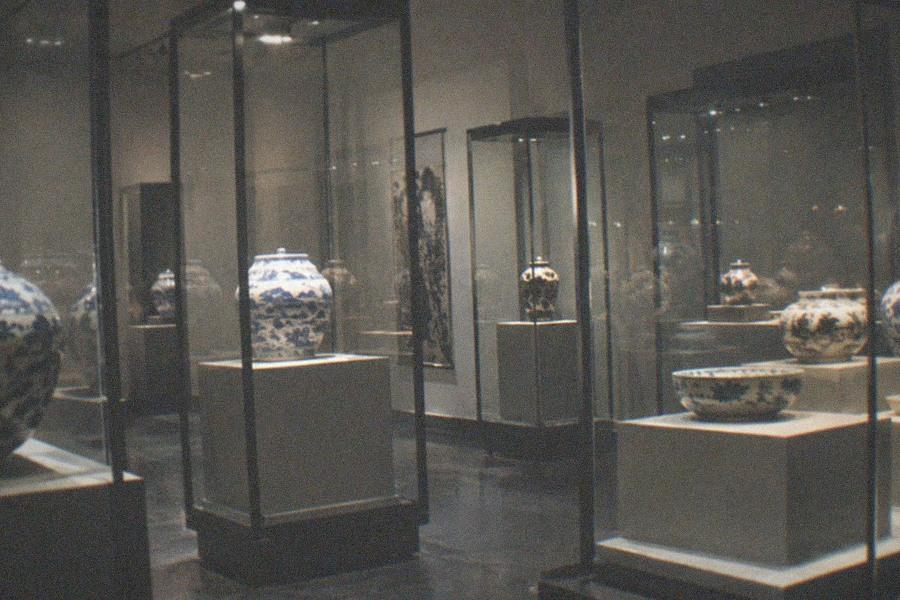
For visitors weighing it against other free museums in the city, the Capital Museum occupies a useful middle ground. It is less crowded than the National Museum of China, more focused than the Military Museum of the Chinese People's Revolution, and pairs naturally with a same-day visit to another Xicheng or Dongcheng sight such as the Confucius Temple and Imperial College Museum.
General admission to the Capital Museum is free. The door price is CNY 0. There is no paid general ticket, no timed-entry product to buy, and no booking fee, because no advance reservation is required. The only things that can cost money are a separately ticketed special exhibition, parking if you drive, and anything you buy in the shop or cafe.
This page carries no buy button and no booking service, and none is needed. The honest cost picture for the Capital Museum is short: entry costs nothing, and the museum's own channel at capitalmuseum.org.cn/visit is the place to confirm current entry rules and see what special exhibitions are running before you go.
What is not free is worth spelling out plainly. Special exhibitions at major Beijing museums are frequently ticketed as separate add-ons to free general admission. If a headline exhibition is on during your dates, expect a separate charge for it, set and announced by the museum itself. Parking around Fuxingmenwai Street is paid commercial parking, not museum parking. And the cafe and gift shop are ordinary retail.
| Ticket type | Price | Notes |
|---|---|---|
| General admission | Free (CNY 0) | Walk-up entry with valid ID or passport; no advance reservation required |
| Special exhibitions | Set by the museum when applicable | Sometimes ticketed separately from free general admission |
| Parking | Paid commercial parking nearby | Not included in admission |
Do not confuse this venue with the paid imperial sites in the city. The Confucius Temple and Imperial College Museum charges CNY 30 at the door, and the Military Museum of the Chinese People's Revolution, like the Capital Museum, is free but requires an advance reservation. The Capital Museum is one of the small number of major Beijing museums where free genuinely does mean walk in.
No. An advance reservation is not required for the Capital Museum. Entry is walk-up: you arrive with a valid ID document, pass security and registration at the north entrance, and go in. A foreign passport is accepted as the valid ID for entry. There is no booking window, no release time and no daily quota to fight for, because there is no reservation system to fight in.
This deserves emphasis, because it is the exception in Beijing. Most major museums in this city are free but reserved: the National Museum of China opens its window 7 days ahead at 17:00, the National Art Museum of China opens 7 days ahead at 16:00, and the Military Museum releases slots 8 days ahead at three separate times of day. Visitors who have spent a Beijing trip setting alarms for ticket drops often assume the Capital Museum works the same way. It does not.
The museum's published entry rules state that visitors hold a valid ID document and enter through the north gate in order, passing security and registration. Nothing in the current rules requires an advance booking for general admission. That policy has shifted at times in the past, so the sensible habit is a quick look at the museum's visit page the day before you go, which is also where any separately ticketed special exhibition would be announced.
For foreign visitors, the ID question answers itself here: a passport is accepted for entry registration. There is no separate foreigner process, no Chinese phone number needed, and no mini-program hurdle, because there is no booking step at all. Bring the passport, show it at the north entrance, and walk in. That makes the Capital Museum one of the lowest-friction major museums in Beijing for travelers without a Chinese mobile setup.
One practical caveat: walk-up entry means the constraint is physical space, not a ticket quota. On holiday periods and peak weekends, lines at security can be long, and a popular special exhibition can draw crowds that fill the galleries. Going early in the day, and avoiding Tuesdays because the museum is closed, keeps the visit comfortable.
The Capital Museum is closed on Tuesdays. That is the single most important scheduling fact on this page, and it is the opposite of the norm in Beijing, where most museums close on Mondays. If you arrive on a Tuesday expecting the free walk-in museum, you will find the doors shut. The museum is open the rest of the week, and it sits in Xicheng District at 16 Fuxingmenwai Street.
The Tuesday closure is a recent adjustment, and it catches out visitors who apply the general Beijing rule of avoid Mondays. Statutory holidays can bring exceptions to the closure, so a Tuesday visit during a national holiday period may still be possible; the museum's own visit page publishes holiday adjustments.
| Fact | Detail |
|---|---|
| Closed day | Tuesday (exceptions possible on statutory holidays) |
| Area | Xicheng District |
| Address | 16 Fuxingmenwai Street, Xicheng District, Beijing |
| Reservation required? | No, walk-up entry with valid ID or passport |
| Booking window | None, there is no advance reservation system for general admission |
| Time to allow | Roughly two to three hours for the permanent galleries |
Planning around the Tuesday closure is easy once you know it, and it actually opens options. Monday, the day when the National Museum of China, the National Art Museum and the Military Museum are all closed, is a normal open day here. A Monday itinerary built around the Capital Museum in the morning and a walk through Xicheng in the afternoon works well, and the reverse, saving it for Tuesday, is the classic mistake.
Allow two to three hours for the permanent collection at a comfortable pace. If a special exhibition is running and you want to see it, add time for it and for the queue it may draw. Visitors with children or with a deep interest in Beijing's imperial history routinely spend longer, since the city-history galleries reward slow reading.
The Capital Museum is at 16 Fuxingmenwai Street in Xicheng District, on Beijing's west side just beyond the Second Ring Road from Fuxingmen. The Beijing Subway is the practical way to reach it, and the city's official network site at bjsubway.com is the authoritative source for lines, stations and service notices when you plan the route.
The museum's position on Fuxingmenwai Street puts it in the corridor west of central Beijing, an area well served by the subway network and by the main east-west arteries that run out from Fuxingmen. Because the museum takes walk-ups rather than timed reservations, you have freedom over arrival time that reserved museums do not give you, so a slightly longer journey costs you nothing but comfort.
Taxis and ride-hailing work too, and the address is simple enough to show a driver: 16 Fuxingmenwai Street, Xicheng District. If you drive, parking nearby is paid commercial parking, not museum parking, so factor that into the cost of a car day in this part of the city.
In itinerary terms, the museum sits close enough to other Xicheng sights to share a half-day. The Beijing Ancient Architecture Museum is in the same district, and crossing the city to Dongcheng opens the Confucius Temple and Imperial College Museum. For a museum-heavy day, pair the Capital Museum with the National Museum of China on opposite sides of the week, remembering that the National Museum closes Monday while the Capital Museum closes Tuesday.
See the Beijing history galleries first. They are the museum's reason for existing, walking you from the city's ancient beginnings through its centuries as an imperial capital, and they hold the strongest objects in the collection, including ancient bronzes, ceramics, jade and Buddhist sculpture. Then climb to the folk-culture galleries, where a recreated old Beijing street scene brings the city's traditional daily life to life.
The permanent collection is arranged so that the city tells its own story. Early galleries cover the settlements and artifacts of the region before Beijing became a capital, including the bronzes and jades for which the museum is known. Later galleries take up the imperial city: its rituals, its crafts, and the material culture of court and commoner alike. The folk galleries round it out with hutong life, opera, festivals and the street commerce of old Beijing.
Two practical notes make the visit better. First, the central atrium is worth a pause in its own right; the architecture is a deliberate echo of the city walls and bronze vessels the museum houses, and the upper walkways give you the building at its most dramatic. Second, check what special exhibitions are on before you go, at the museum's visit page. The Capital Museum hosts major loan exhibitions, and those are the one part of a visit that may carry a separate ticket and a separate queue.
Compared with its siblings across the city, the Capital Museum rewards a visitor who wants depth on one place rather than breadth everywhere. The National Museum of China gives you the whole of Chinese civilization in one vast building with a reservation hurdle; the Military Museum of the Chinese People's Revolution gives you a focused military story, also free but reserved. The Capital Museum gives you Beijing, with no reservation and no ticket, on any day except Tuesday.
Yes. General admission is free, with a door price of CNY 0. There is no paid general ticket and no booking fee. The only possible charges are a separately ticketed special exhibition, paid commercial parking nearby, and anything you buy in the shop or cafe.
No. The Capital Museum takes walk-up entry with a valid ID document, and no advance reservation is required for general admission. There is no booking window or release time because there is no reservation system. You pass security and ID registration at the north entrance and go in.
Yes. A valid passport is accepted as the ID document for entry. Because entry is walk-up rather than reserved, there is no online booking step where a Chinese phone number or mini-program could block you. Bring the passport and show it at the north entrance.
Tuesday. This is the reverse of the usual Beijing pattern, where most museums close Monday. Statutory holidays can bring exceptions, and the museum's own visit page publishes holiday adjustments, but the default planning rule is: not Tuesday.
Roughly two to three hours covers the permanent galleries at a comfortable pace. Add time if a special exhibition is running, since those are separately ticketed and can draw queues, and allow longer if you want to read the city-history galleries in detail.
Yes. Monday is a normal open day at the Capital Museum, which closes Tuesday instead. That makes it a useful Monday substitute for museums that close that day, such as the National Museum of China or the Military Museum of the Chinese People's Revolution.
At 16 Fuxingmenwai Street, Xicheng District, Beijing, on the city's west side just beyond the Second Ring Road from Fuxingmen. The Beijing Subway is the practical way to reach it, and bjsubway.com is the authoritative source for lines and service notices.
The permanent galleries tell the story of Beijing itself, from ancient bronzes, ceramics, jade and Buddhist sculpture through the city's imperial centuries, plus folk-culture galleries with a recreated old Beijing street scene. Special loan exhibitions rotate and may carry a separate ticket.
Dongcheng
from $12 per person, live price on the listing Check availability →